Foxes Lair
  • Home
  • About
    • About Foxes Lair
    • History
    • Landscape and Soils
  • Things To Do
    • Picnic Spots
    • Walk Trails
    • Visit the Arboretum
    • Ride Your Bicycle
    • Scavenger hunt
    • Geocaching and Orienteering
  • Things To See
    • Wildflowers
    • Trees in the Narrogin district
    • Birds
    • Vertebrates
    • Narrogin spiders scorpions ticks
    • Fungi and lichens
  • Foxes Lair seasonal guide
    • December to March
    • April - May
    • June-July
    • August
    • September
    • October
    • November
  • Other great reserves
    • Railway Dam
    • Yilliminning Rock
    • Old Mill Dam
    • Yornaning Dam
    • Contine Hill
    • Highbury Reserve
    • Boyagin Rock
    • Barna Mia
    • Toolibin Lake
    • Newman Block
    • Harrismith Nature Reserve
    • Candy Block
    • Tutanning Nature Reserve
  • Foxypress +
    • Foxypress
    • Vanishing Farms
  • Contact

Witches (Witch's) Broom

2/5/2016

0 Comments

 
Picture

                                 
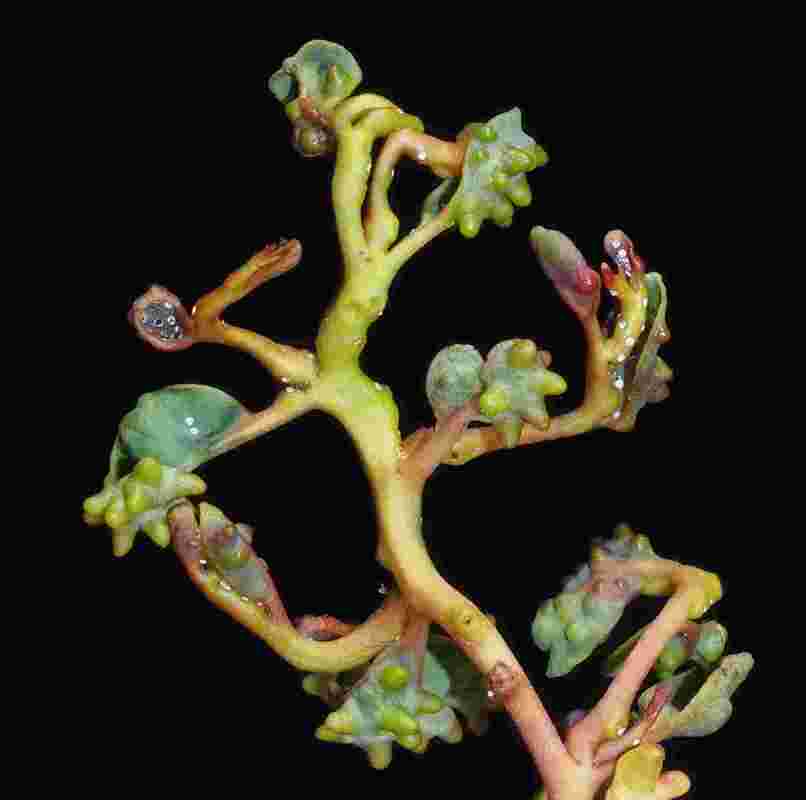
Witches broom or little leaf disease is usually a hormone-induced growth distortion of woody plants that only affects part of the plant.
 
In a prior Foxypress I discussed galls that differ from the strange and miniature witches broom shoots and leaves, which are induced by insect spread viruses and phytoplasma (primitive bacteria), or fungal infection.
The image on the left shows a wandoo affected by witch's broom near the Marri picnic area.

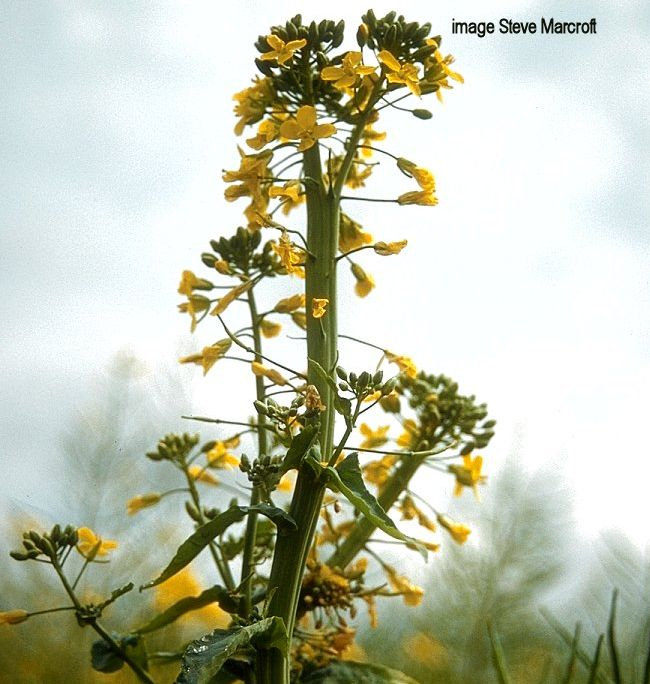
Fasciation  is an associated disorder that causes strange strap-like flattening of growing points and flowers. Images below are on canola and an isopogon.
Picture
Picture
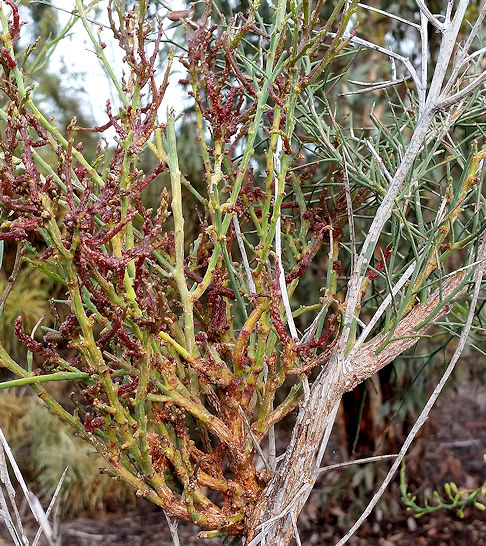
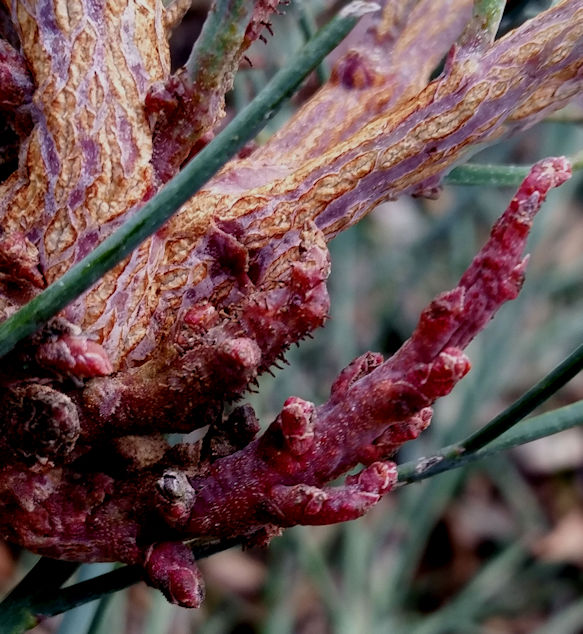
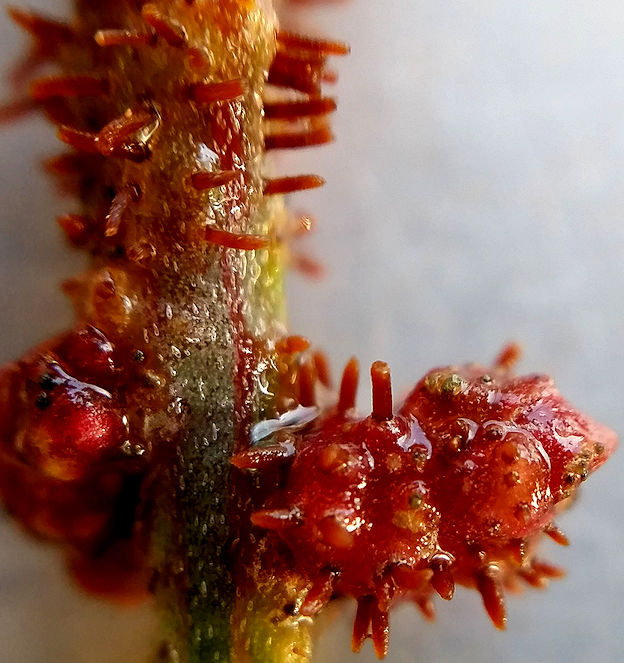
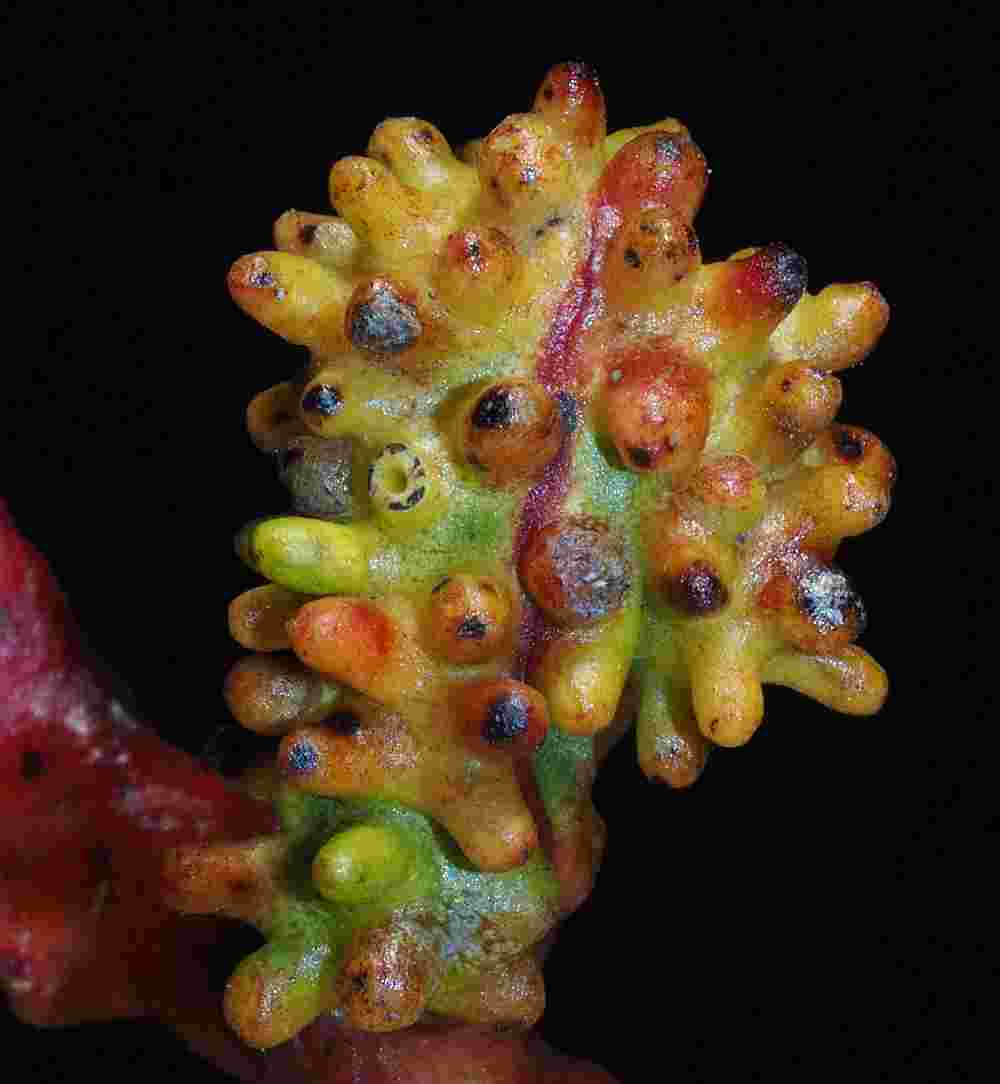
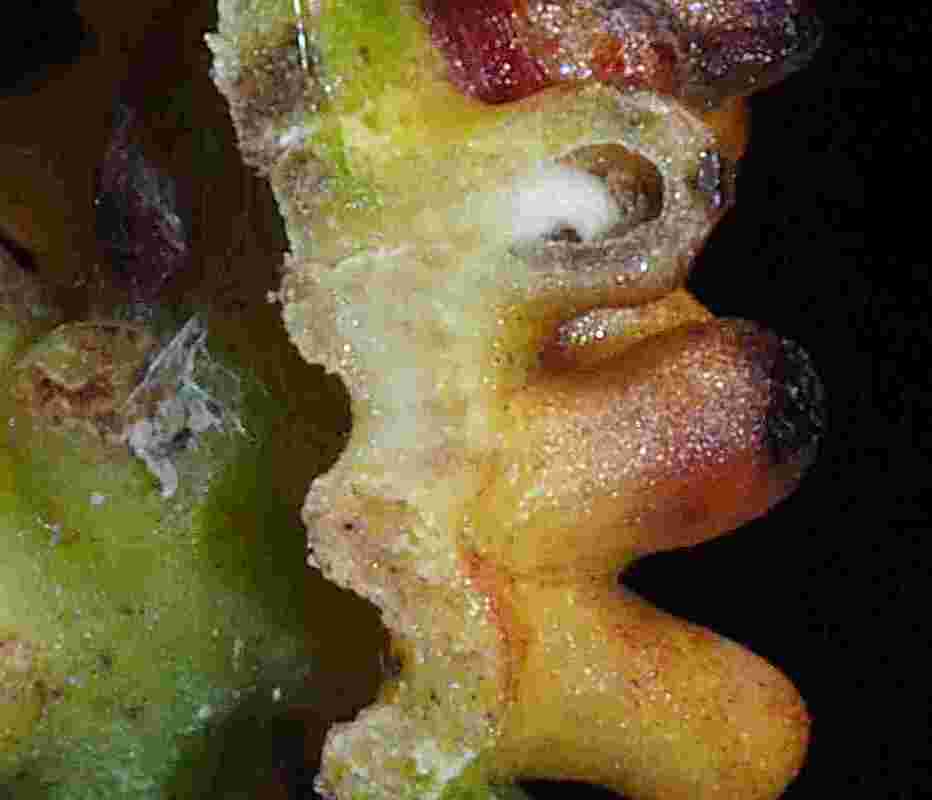
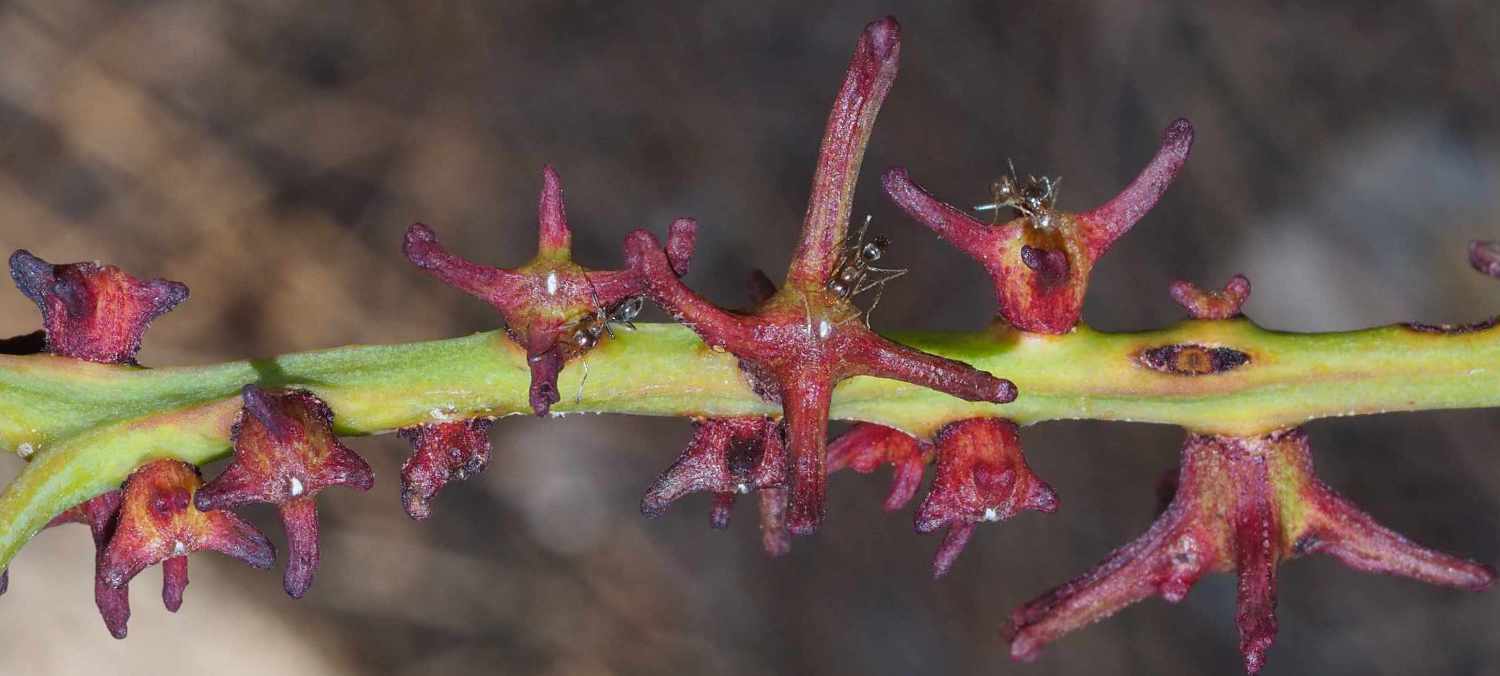
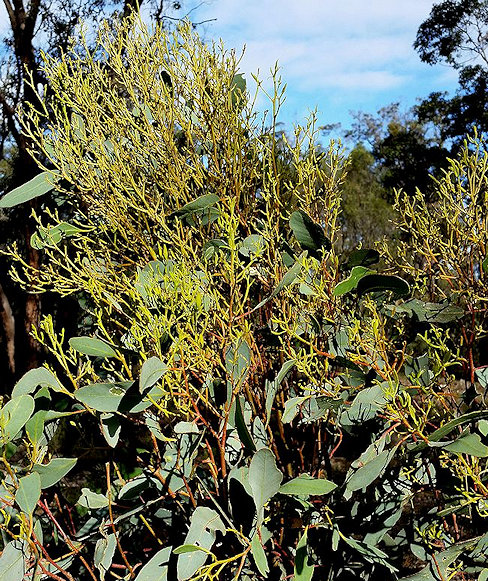
Images below show a type of witches broom  caused by A rust fungus Ceratacoma jacksoniae that affects a range of pea flowers. Images show an infection on stinkwood (Jacksonia epiphyllum). The strange red growths contain tiny reddish fruiting rods that are quite different from the powdery rust pustules that occur on our crops.
Picture
witches broom on stinkwood
Picture
strange growths containing the fruiting bodies
Picture
rod-like fruiting bodies
0 Comments

Marri decline

9/3/2016

0 Comments

 
Greetings fellow Foxies,
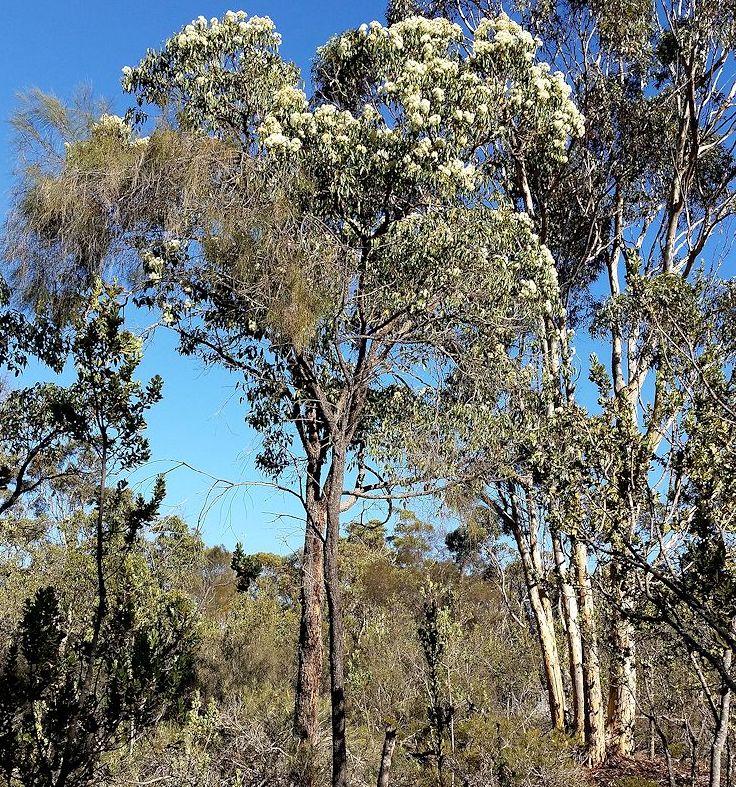
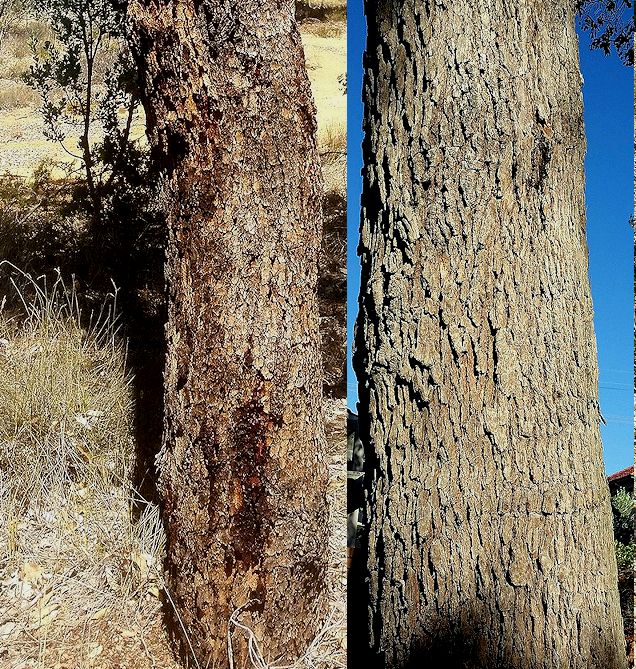
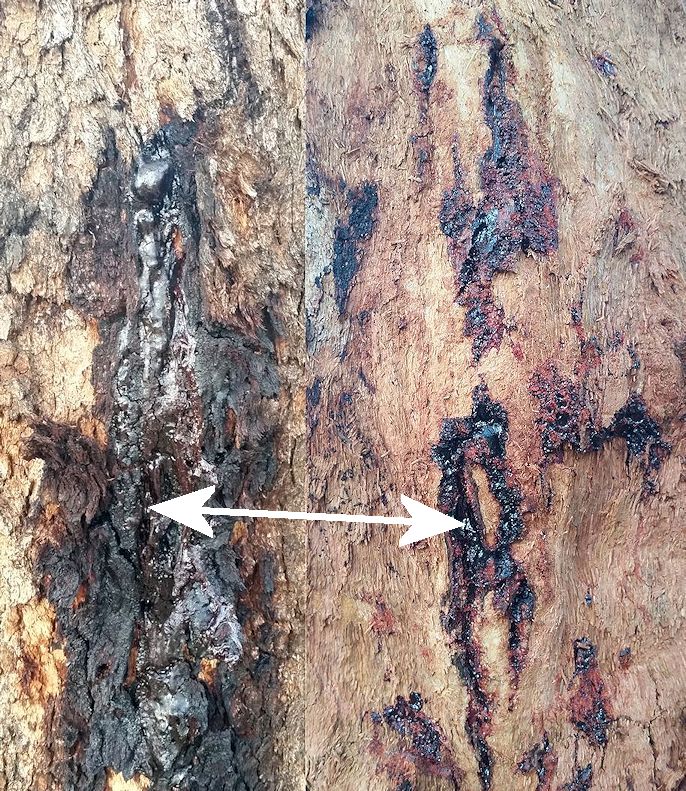
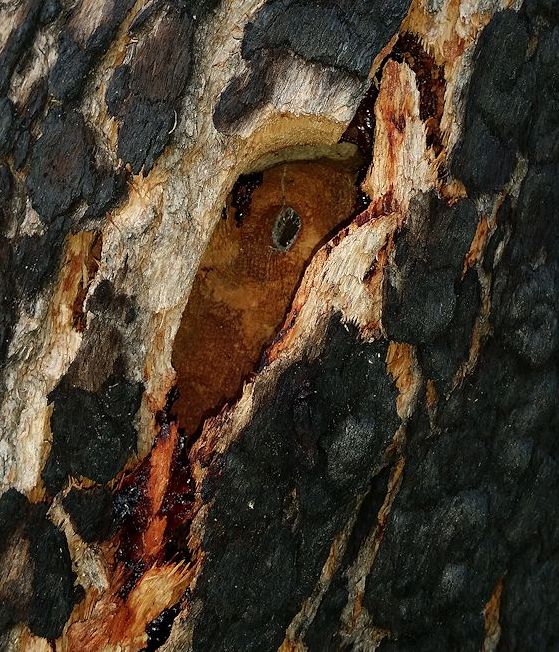
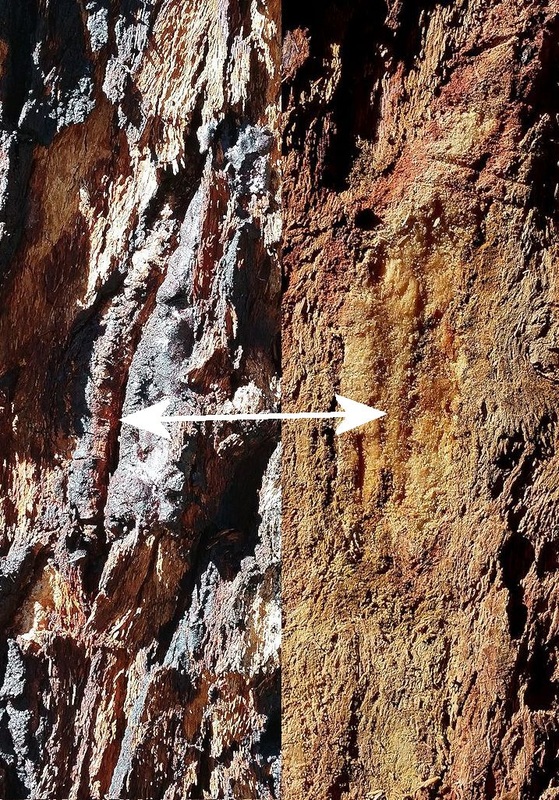
Marri trees are flowering profusely this year, possibly due to the February rains. However I have noticed a lot of red gum oozing from adult trees and a few have died spontaneously in recent years. The penny dropped when I saw beautiful adult marris in a Perth (and later Narrogin) garden with unblemished bark, in stark contrast to scabby specimens in Foxes Lair. The gum is a defence mechanism against damage by mainly woodborers. 
As Foxes Lair is on the eastern edge of marri range, marris are under more water stress, slower growing, and more susceptible to parasites.
Picture
Young tree in full flower
Picture
Foxes Lair (left) and Perth garden (right) trunks
Picture
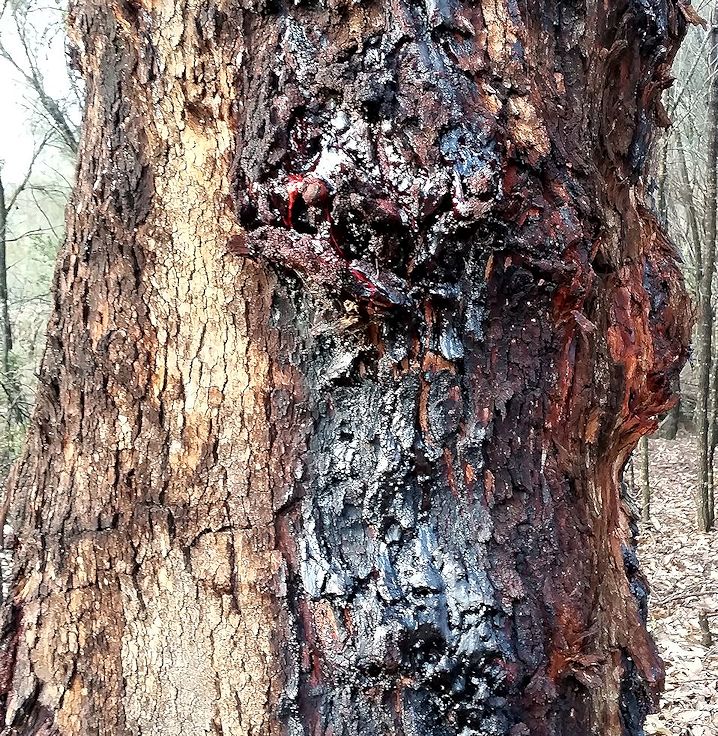
Gum flow
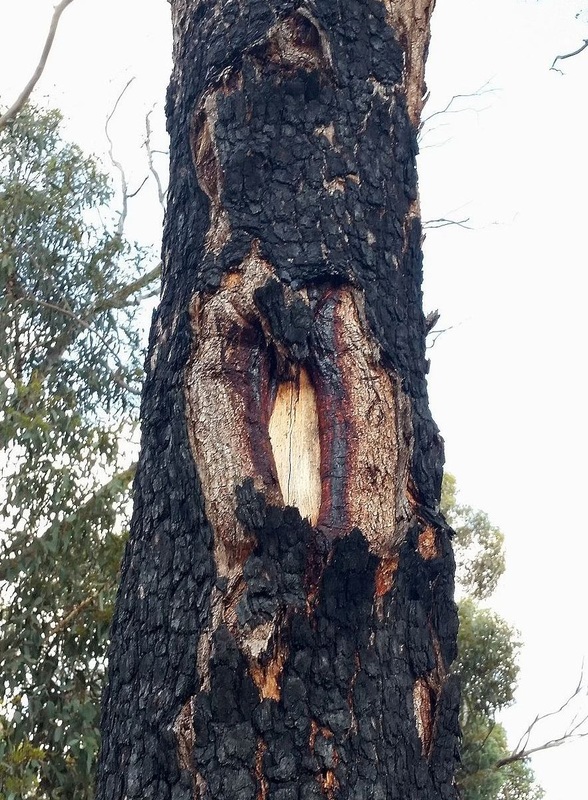
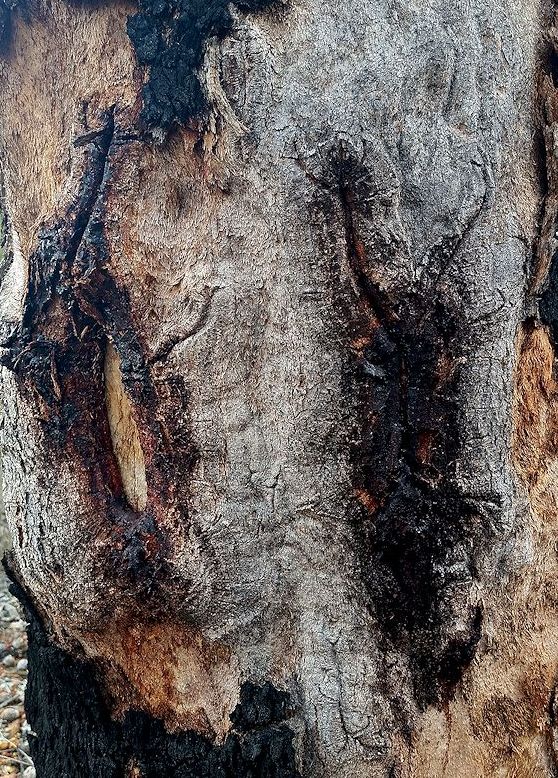
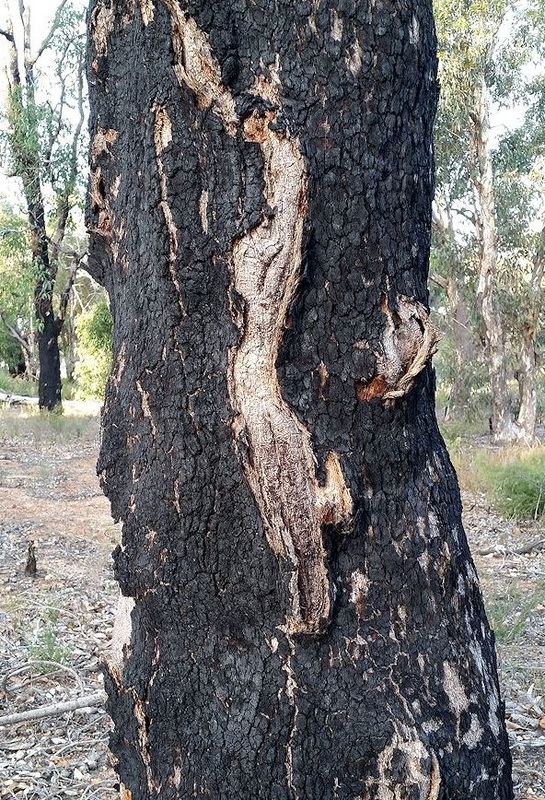
There are still some magnificent and ancient marris in Foxes Lair like the fire damaged specimen on the left, that still manage to produce a flower or two.
However as rainfall decreases and temperatures rise I fear that marri, jarrah and bull banksia may slowly be replaced by scrub and mallees in the reserve.


A number of factors have been suggested
  • Marri Canker (Quamabalaria coryecup) disease is killing marris in higher rainfall areas. Luckily I haven’t seen the characteristic symptoms here
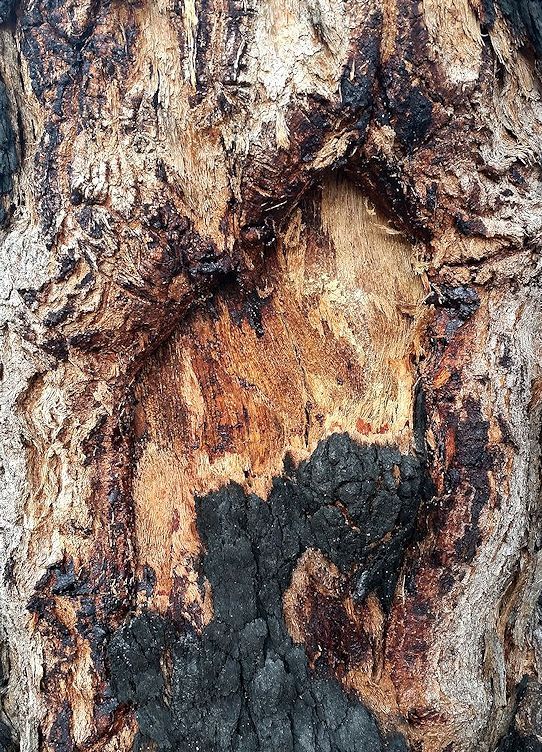
  • Wildfire damage. Marri is more susceptible to fire damage than jar and wandoo. I went to an area opposite Williams Road that had marris scattered in amongst dense Dryandra nobilis scrub where the fire was most intense in 2009, and sure enough found clear fire damage. Interestingly the scars had healed with relatively little associated insect damage, and on closer observation I noticed that the scar often been affected by prior damage as there were 2 concentric scars and the exposed wood was sometimes burnt. The reserve was burnt in the 1970’s and 4WD vehicles also used to career through the bush and may have damaged trees. I also noticed that younger trees were less likely to have the scars. Regular low intensity fires that don't burn through the outer bark promote healthier trees that are more able to resist insect attack. I have recommended that scheduled cool burns in a mosaic pattern with each bay burnt every 10+ year to keep biodiversity in the reserve be included in the Foxes Lair management plan.
Picture
Probable fire damage
Picture
Possible fire damage
Picture
Secondary burn on old fire lesion
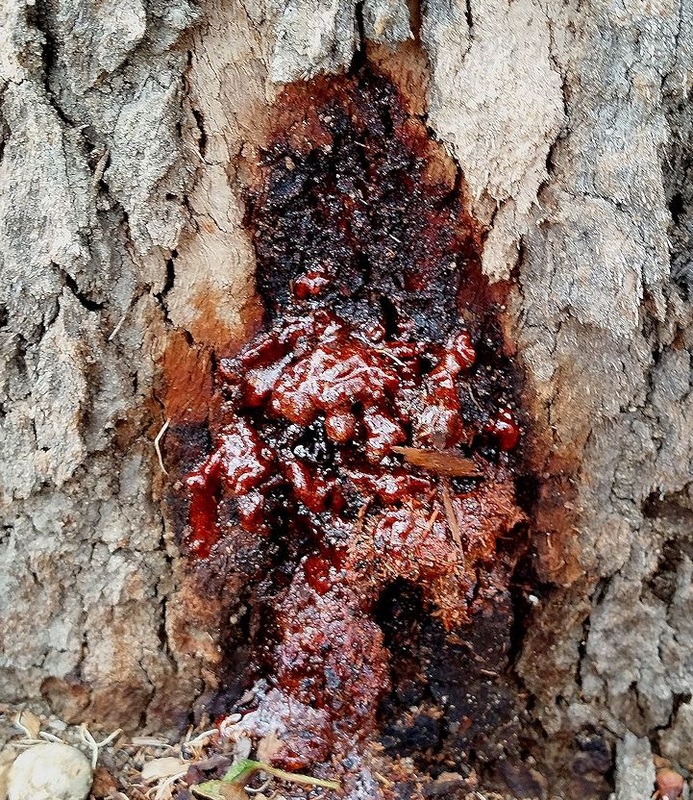
  • Borer damage can be easily spotted by copious outpouring of kino (red gum) from a single point, and sometimes a multiple exudations it bark splits. Kino outpours are a natural reaction from the tree to drown invading insects. Water-stressed trees are more liable to insect attack because there is less and thicker kino and it has more sugars that attract insects. The warming climate is also affecting insects’ biology by making them come out of dormancy earlier. DPAW was investigating insect damage in the reserve in the late nineties.
Picture
Copious kino from a hole
Picture
bark shaved off to show insect holes
Picture
Bullseye borer escape hole
  • Spontaneous splitting? DPAW colleague Peter White reminded me that gum bands occur routinely in marri wood, and that some smooth barked eucalypts have splits in their bark following large variations in rainfall.
    A lot of these splits have healed.
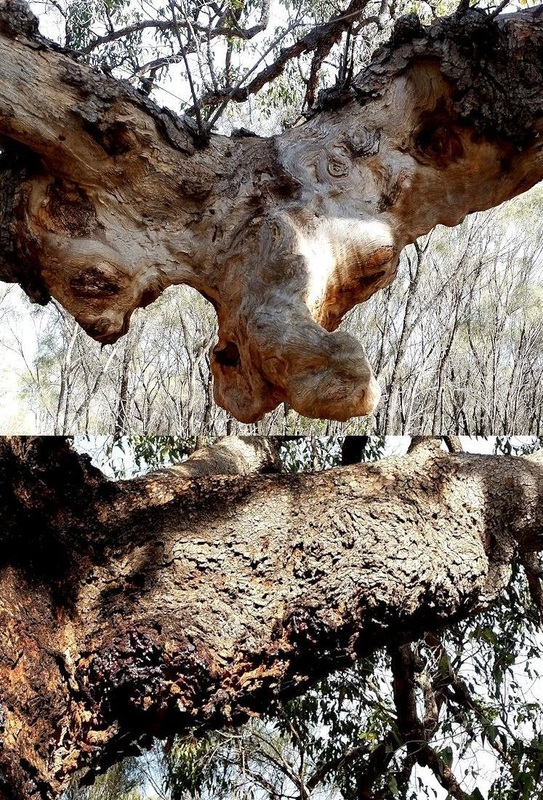
    When I shaved the rough bark back from a split, I found live flesh underneath the split with bark on either side. I have also noticed tumorous type growths on old marri branches, but suspect insect involvement.
Picture
Split and growths
Picture
bark scraped off split to show underlying growth
Picture
Growths on live and dead branch
0 Comments

Lerps and Galls

26/10/2015

 
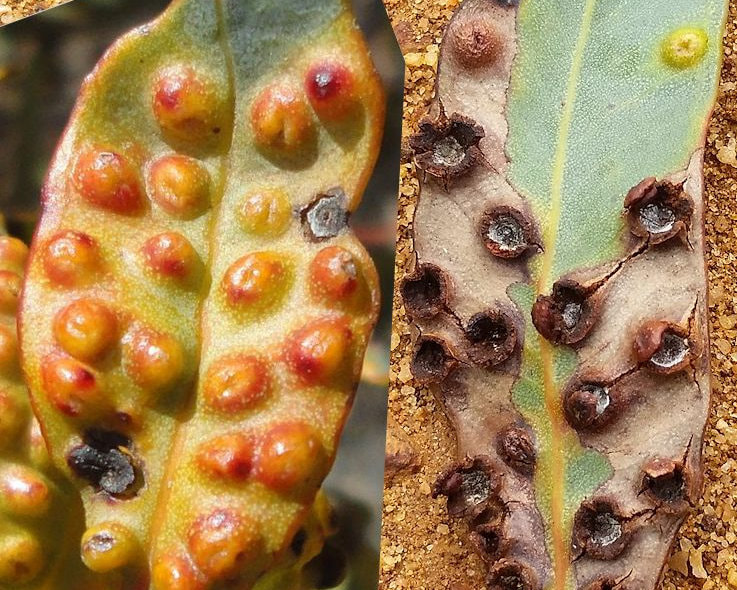
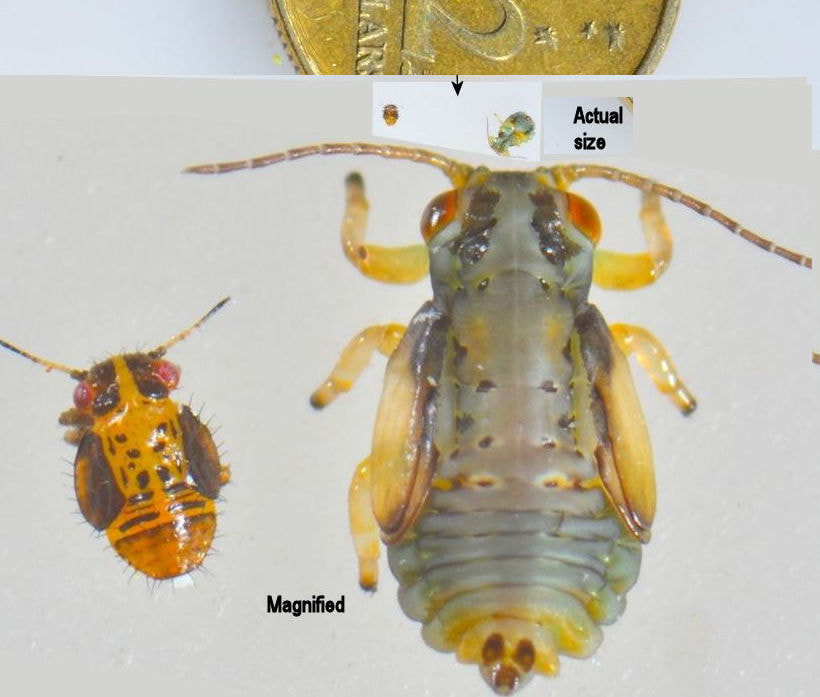
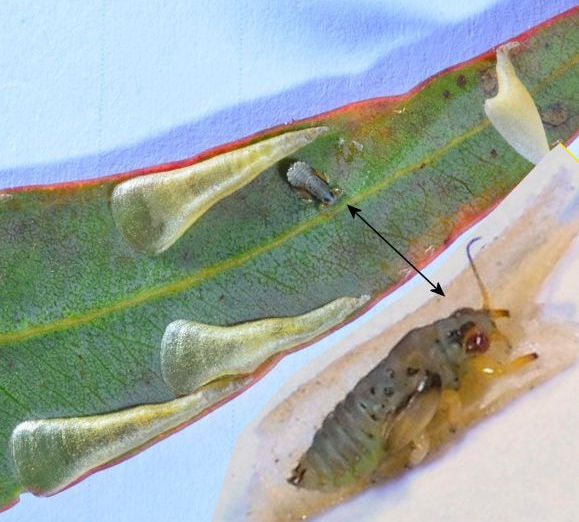
​Thinking that lerps were all leaf sucking insects that hid under translucent shell-shaped cases, I googled lerp to find that this refers to the sugary case, and not the insect beneath that is called a psyllid; and that psyllids also cause galls. Adult psyllids look a bit like  small cicadas but are related to aphids and scale insects.
​Galls develop when leaves are sucked by the juveniles, which meta morphose into adults that erupt out of the gall (remember the movie ‘Alien’?). Click here for more psyllid information.​
Picture
Red galls as they mature
Picture
intact and erupted galls on lerp mallee
Picture
psyllids from lerp gall and from a lerp
​​A couple of months I noticed that some mallees near the Foxes Lair entry track had distorted leaves that were covered with lumpy galls. The mallee is Eucalyptus intrasylvatica, a hybrid derived from E. incrassata that is also called lerp mallee
​There is a significant lerp infestation on Foxes Lair wandoos at the moment.
Picture
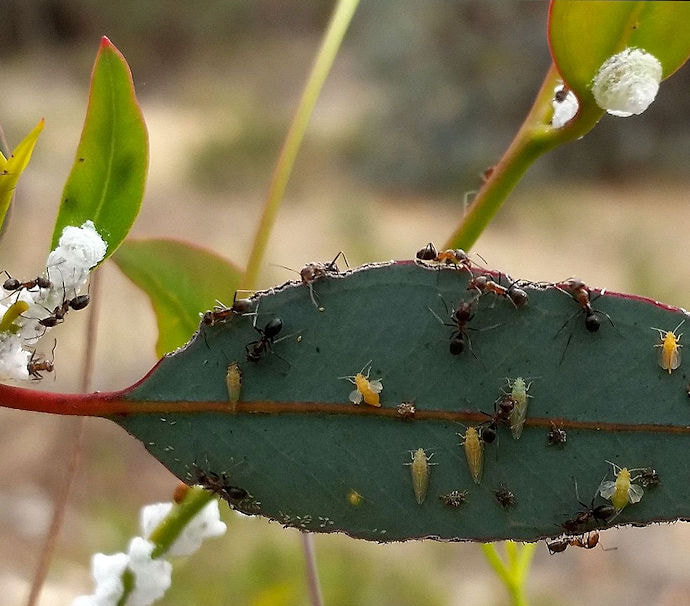
Sugary lerps and ants attending psyllids about to fly off
Picture
Lerp above and psyllid below
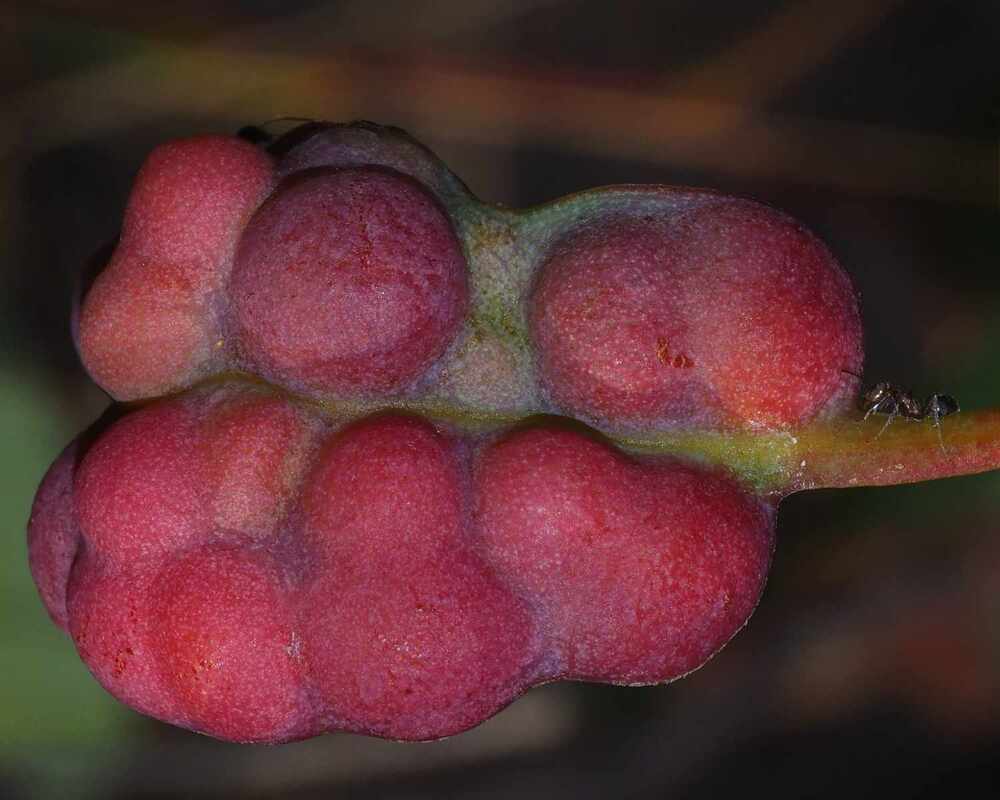
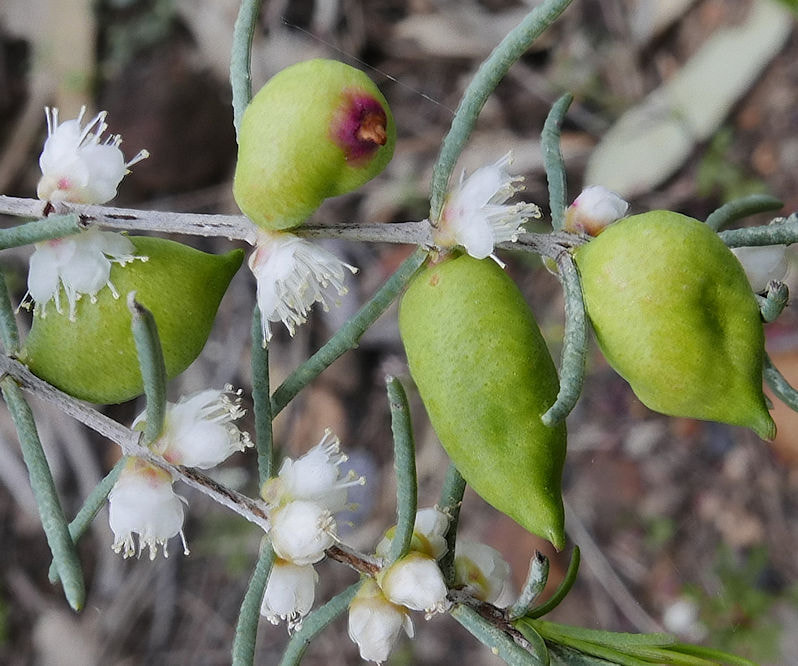
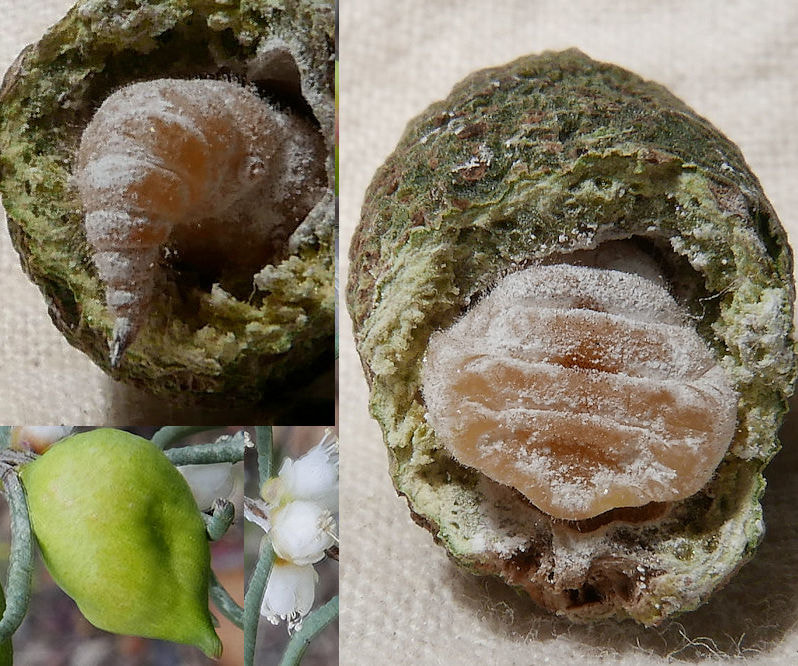
In October I saw a Honey Myrtle/ Hypocalymma angustifolium plant that was flowering but also appeared to have seed pods. The 'pods' were are actually galls.
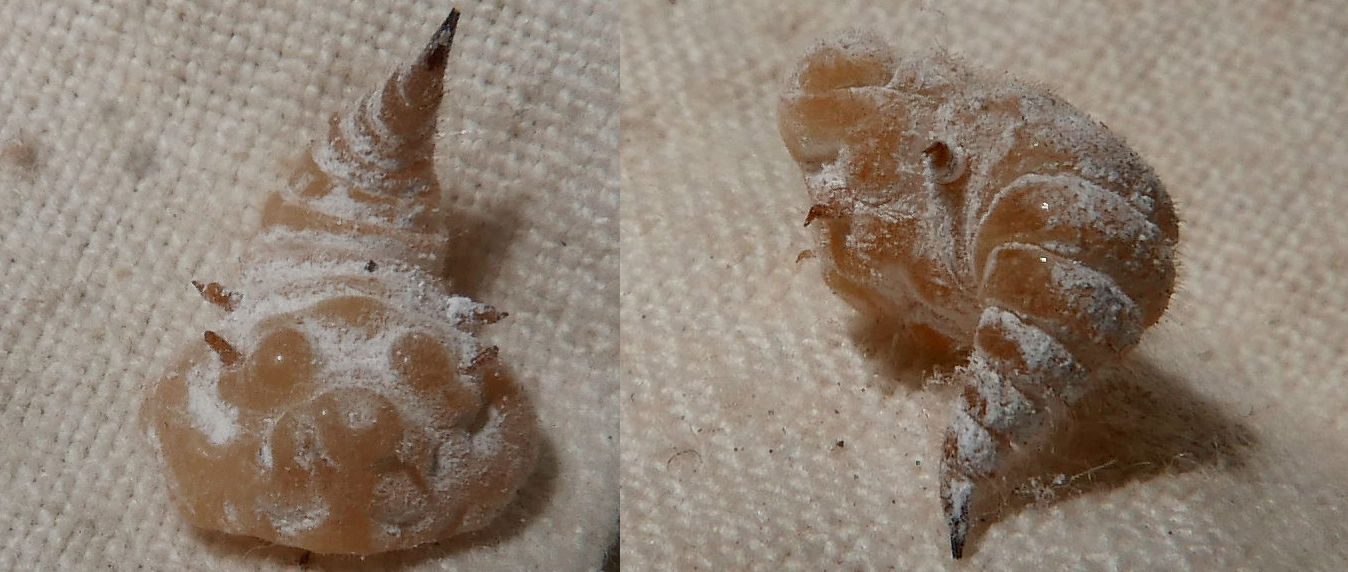
The nightmarish looking little critter from a woody eucalypt gall is an Apiomorpha species.
Picture
Hyocalymma angustifolium galls
Picture
Picture
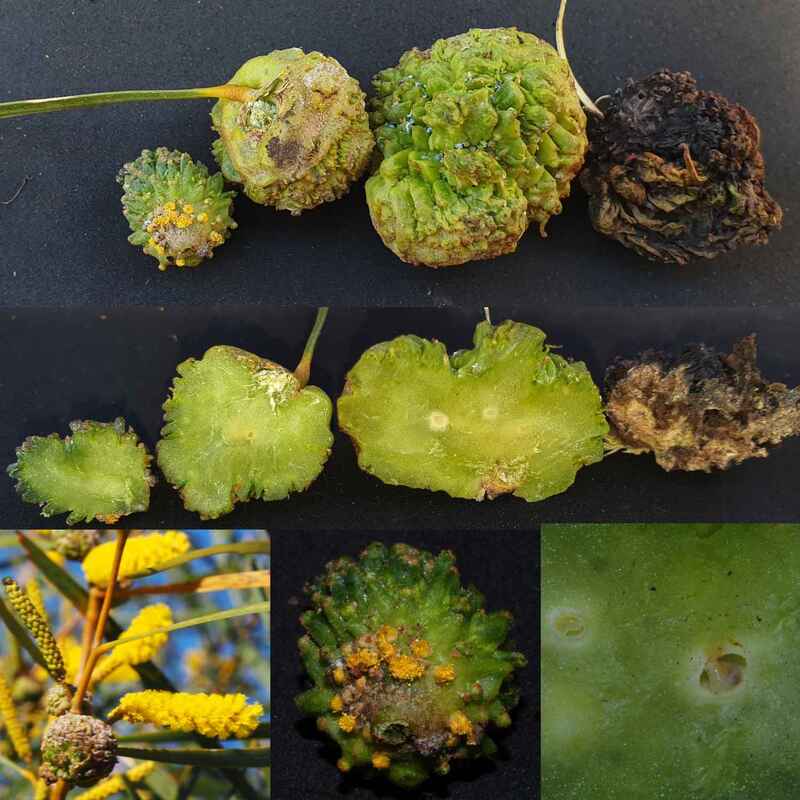
Some manna wattles on the Banksia walk are so heavily infested with galls that they appear to be festooned with round fruits like berries or nuts.
When I opened a few to have a look, I found maggots instead of psyllids. The maggots are larvae of the gall-midge (in actual fact a Cecidomyidae fly) that produces saliva, which forces acacias to produce gall cells. These have replaced flowers making the plant look like it has fruit.
Picture
Manna wattle galls
Picture
Fly maggot in split gall
Picture
Fly gall affected Acacia lasiocalyx flowers
Eucalyptus macrandra in the arboretum has branches severely affected by a galls on leaves and flowers that contain a small grub like those in acacia galls
Picture
Severely deformed twig
Picture
Gall infested leaf
Picture
Maggot in gall
Picture
Strange horned Apiomorpha munita galls on a eucalypt. Ants are harvesting sugary insect secretions
Forward>>

    Author

    Doug Sawkins is a friend of Foxes Lair 

    Categories

    All
    Animals Other
    Birds
    Disorders Plant Animal
    Fungi Lichens
    History
    Insects Bugs Other Arthropods
    Landscapes Soils
    Other Reserves And Places
    Reptiles
    Spiders Other Arachnids
    Tree
    Walks Other Facilities
    Wasp
    Wildflowers Orchids
    Wildflowers Other Summer Autumn
    Wildflowers Other Winter Spring
    Wildflowers Parasitic

    Archives

    February 2026
    December 2025
    November 2025
    October 2025
    September 2025
    June 2025
    May 2025
    April 2025
    February 2025
    January 2025
    December 2024
    November 2024
    May 2024
    April 2024
    December 2023
    November 2023
    September 2023
    August 2023
    July 2023
    June 2023
    May 2023
    April 2023
    March 2023
    February 2023
    January 2023
    December 2022
    October 2022
    July 2022
    June 2022
    May 2022
    April 2022
    March 2022
    January 2022
    November 2021
    October 2021
    September 2021
    August 2021
    July 2021
    June 2021
    May 2021
    April 2021
    March 2021
    February 2021
    January 2021
    December 2020
    November 2020
    October 2020
    September 2020
    August 2020
    July 2020
    June 2020
    May 2020
    April 2020
    March 2020
    February 2020
    January 2020
    November 2019
    October 2019
    July 2019
    April 2019
    March 2019
    February 2019
    January 2019
    December 2018
    November 2018
    September 2018
    July 2018
    May 2018
    April 2018
    March 2018
    February 2018
    January 2018
    December 2017
    November 2017
    October 2017
    September 2017
    July 2017
    May 2017
    April 2017
    February 2017
    January 2017
    December 2016
    November 2016
    October 2016
    September 2016
    August 2016
    July 2016
    June 2016
    May 2016
    April 2016
    March 2016
    February 2016
    January 2016
    December 2015
    November 2015
    October 2015
    September 2015
    August 2015
    July 2015
    May 2015
    April 2015
    March 2015
    February 2015
    January 2015
    September 2014
    August 2014
    April 2014
    March 2014
    February 2014
    May 2012
    March 2012
    October 2011
    September 2011
    August 2011
    April 2011

© 2015 All Rights Reserved. Doug Sawkins, Australia.