Foxes Lair
  • Home
  • About
    • About Foxes Lair
    • History
    • Landscape and Soils
  • Things To Do
    • Picnic Spots
    • Walk Trails
    • Visit the Arboretum
    • Ride Your Bicycle
    • Scavenger hunt
    • Geocaching and Orienteering
  • Things To See
    • Wildflowers
    • Trees in the Narrogin district
    • Birds
    • Vertebrates
    • Narrogin spiders scorpions ticks
    • Fungi and lichens
  • Foxes Lair seasonal guide
    • December to March
    • April - May
    • June-July
    • August
    • September
    • October
    • November
  • Other great reserves
    • Railway Dam
    • Yilliminning Rock
    • Old Mill Dam
    • Yornaning Dam
    • Contine Hill
    • Highbury Reserve
    • Boyagin Rock
    • Barna Mia
    • Toolibin Lake
    • Newman Block
    • Harrismith Nature Reserve
    • Candy Block
    • Tutanning Nature Reserve
  • 1Foxypress
    • Foxypress
    • Vanishing Farms
  • Contact

Narrogin Weevils

10/3/2021

0 Comments

 
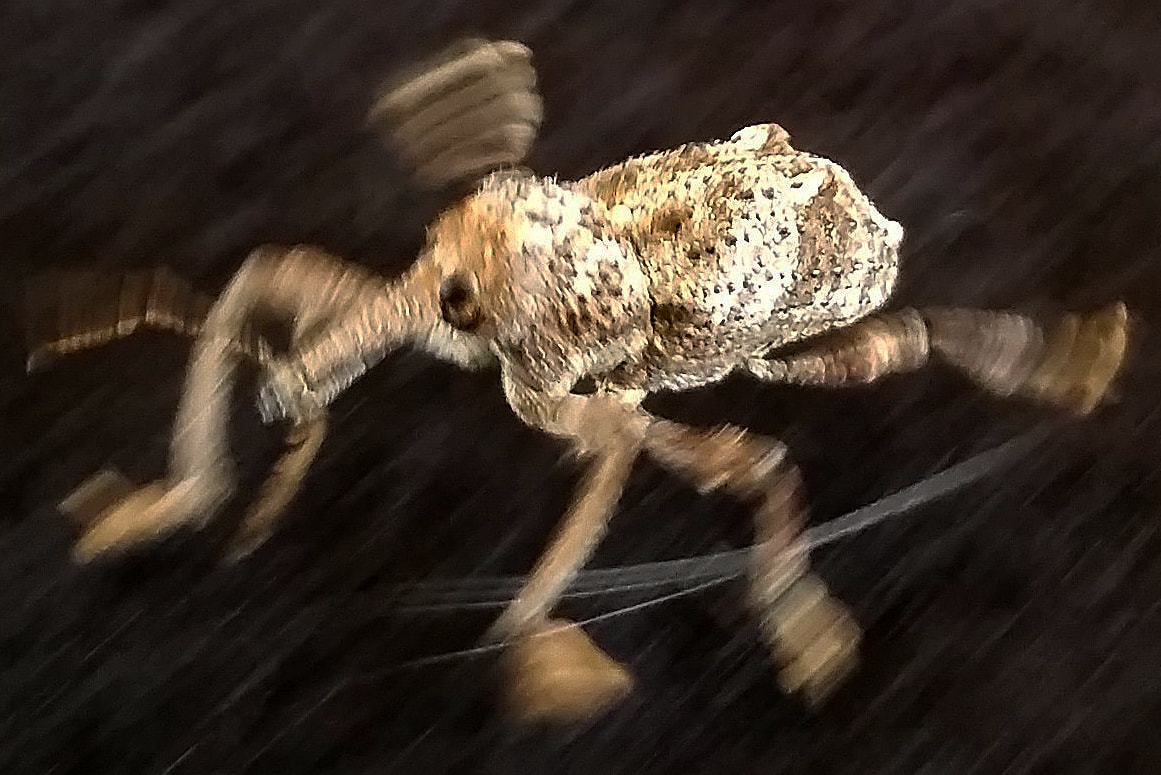
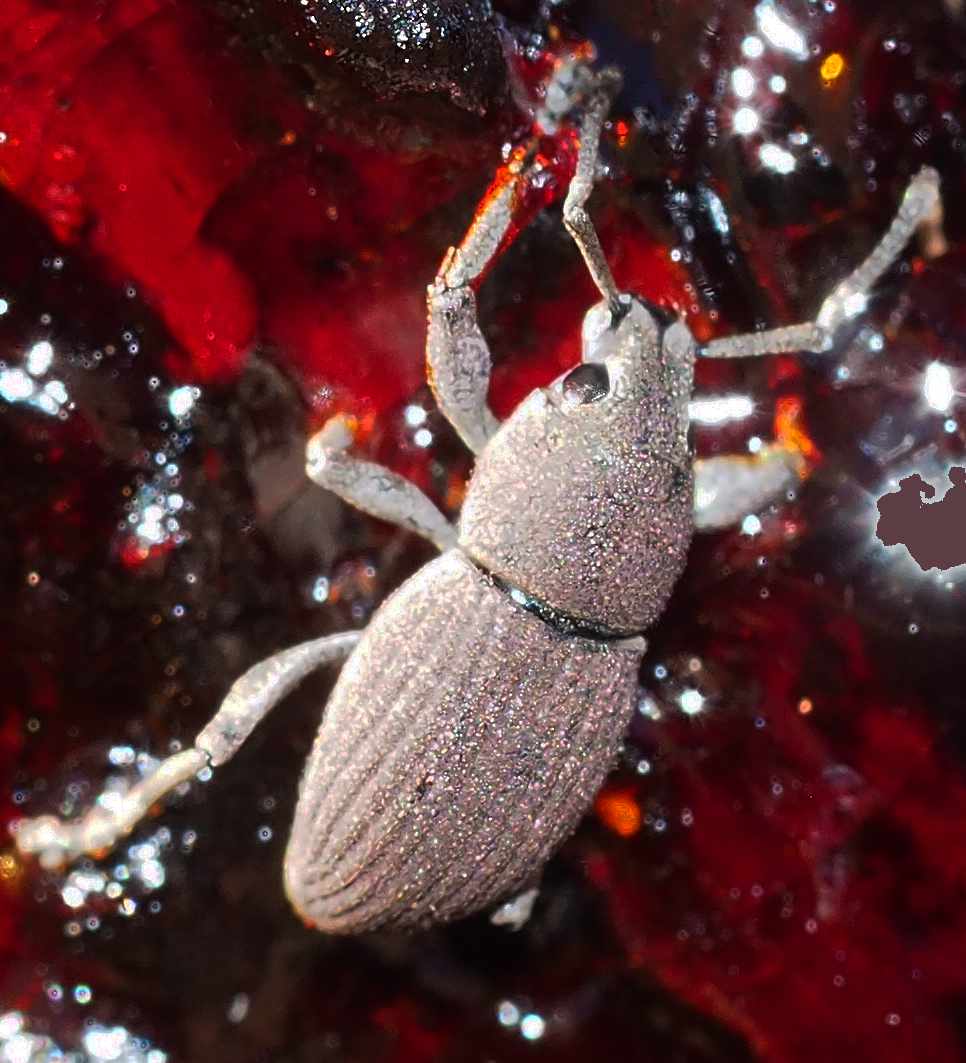
I still remember my delight as a child when I found a catasarcus weevil, put it on a finger, and felt it hanging on for dear life as I tried to remove it. Weevils are harmless, galumph along and look cute. This link provides an excellent introduction.
Picture
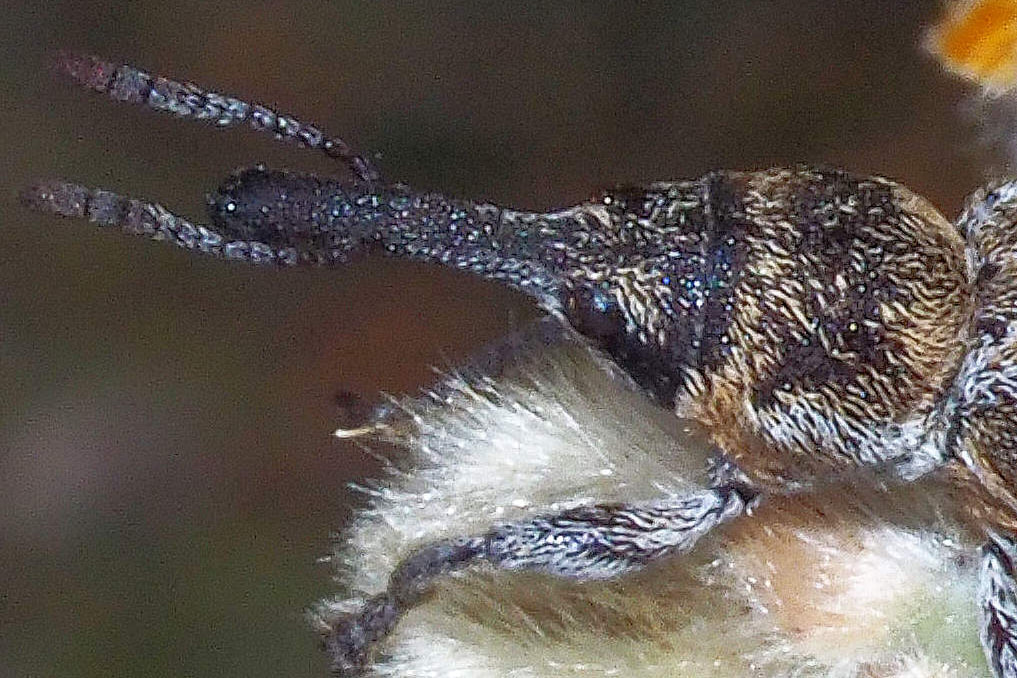
Weevil snout
Picture
Galumphing Oxops weevil
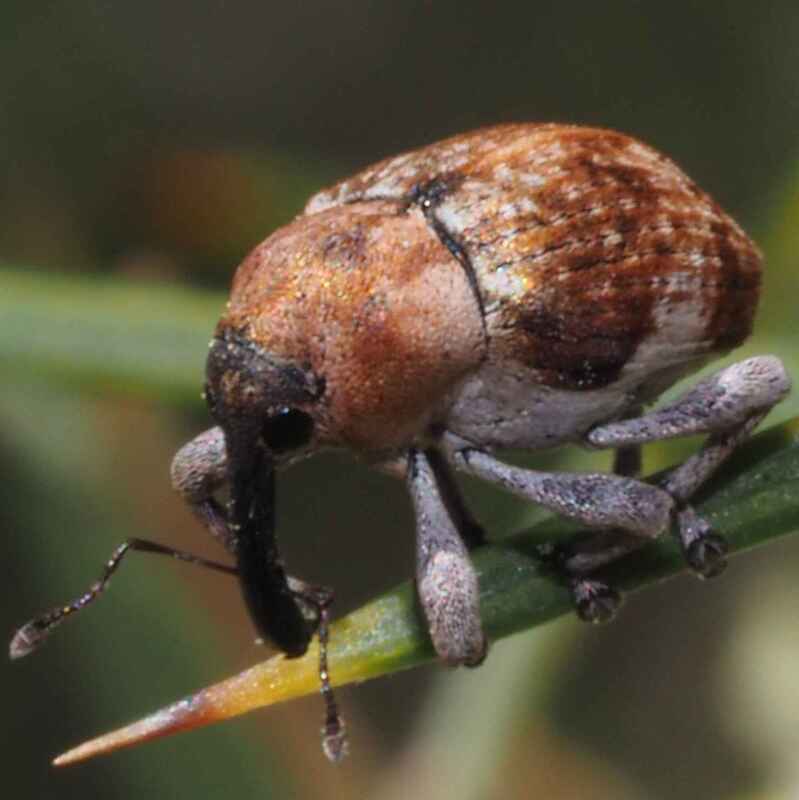
​Weevils are a type of beetle; there are lots of them (over 6000 Australian species) and they are all vegans. The distinctive long snout (rostrum) is not used for sucking, as it has chewing mouthparts at the end. Many weevils are very selective about which plant (and often which part of the plant) they eat and often chew deep into the plant part to lay their eggs
Picture
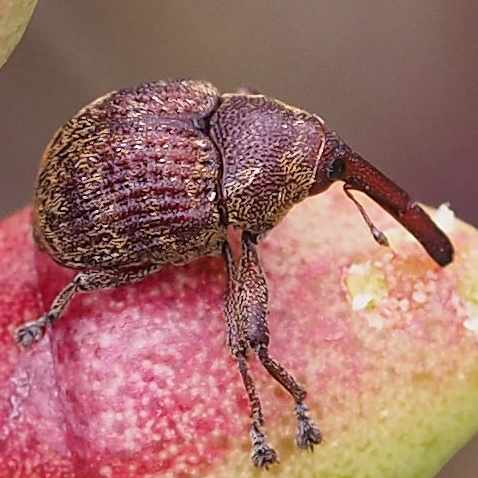
Haplonyx species
Picture
End of the line

A very general rule of thumb is: The longer the snout the deeper the eggs are laid.
The Haplonyx species (pear-shaped weevil) was about to drill into a Drummonds mallee bud. 
​The file below describes the life cycle of another Haplonyx species
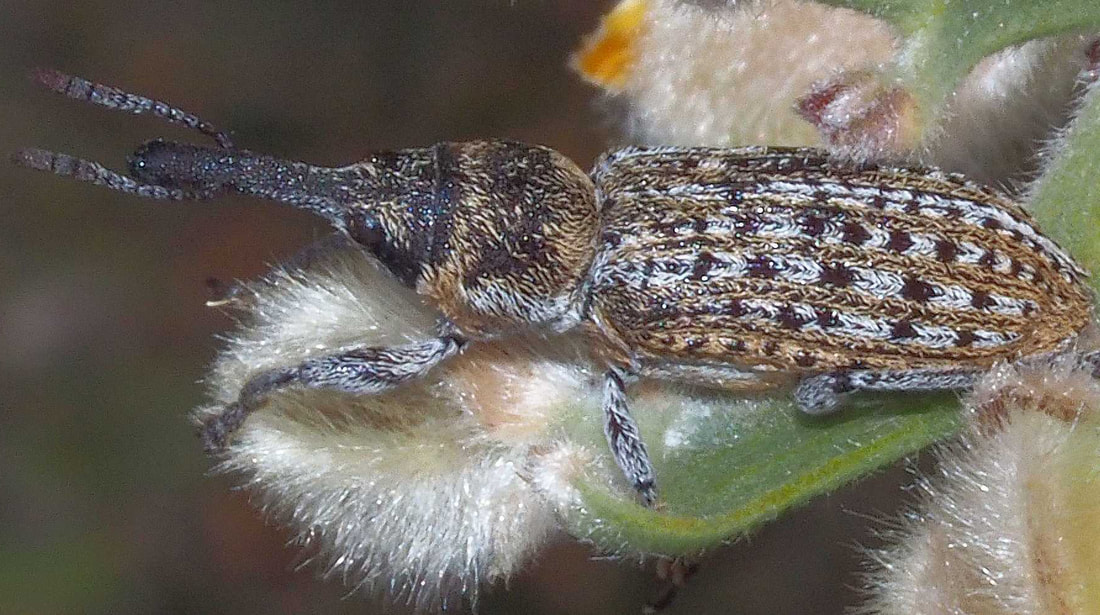
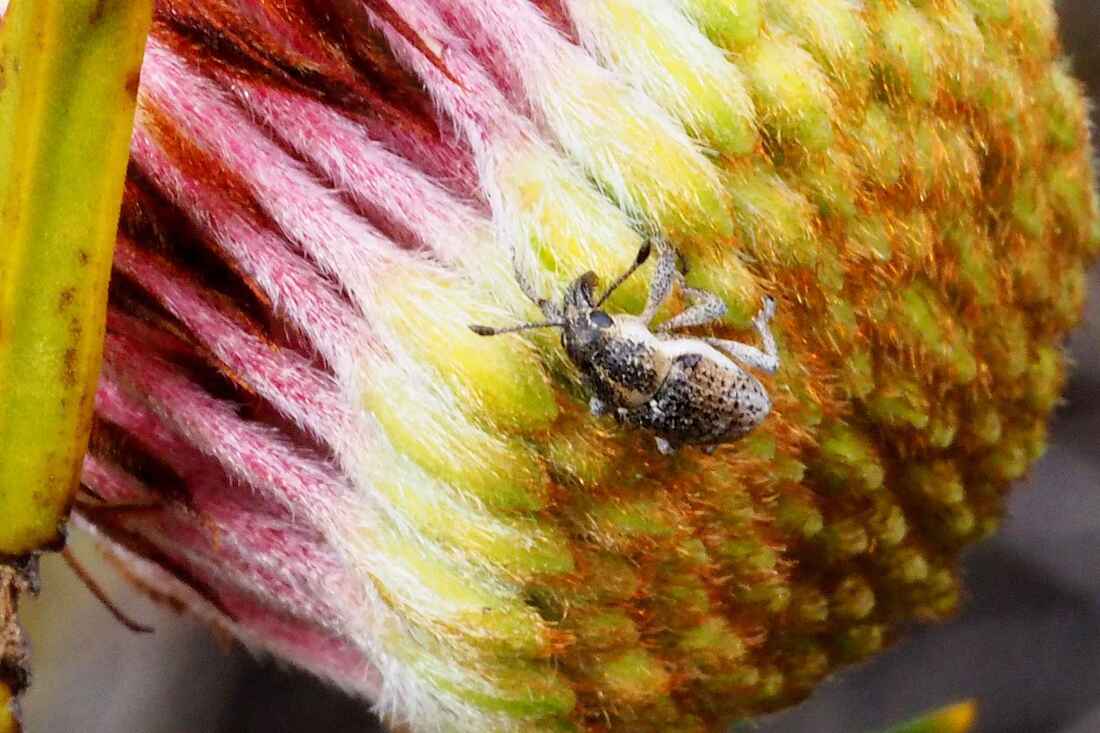
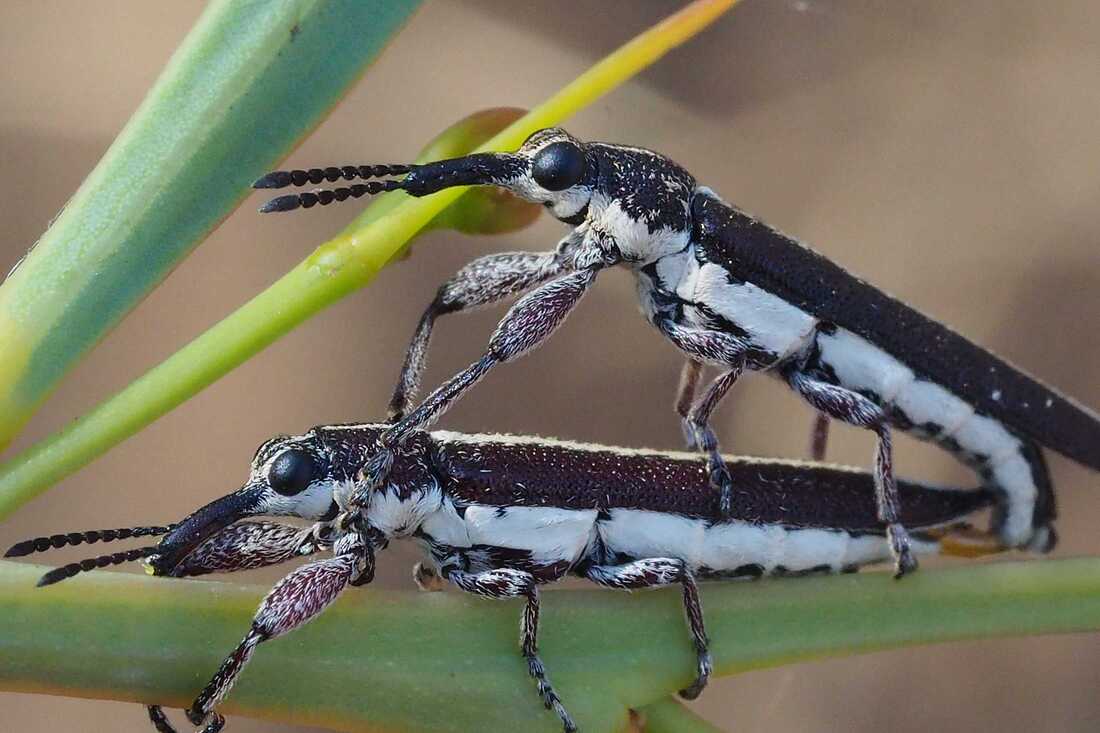
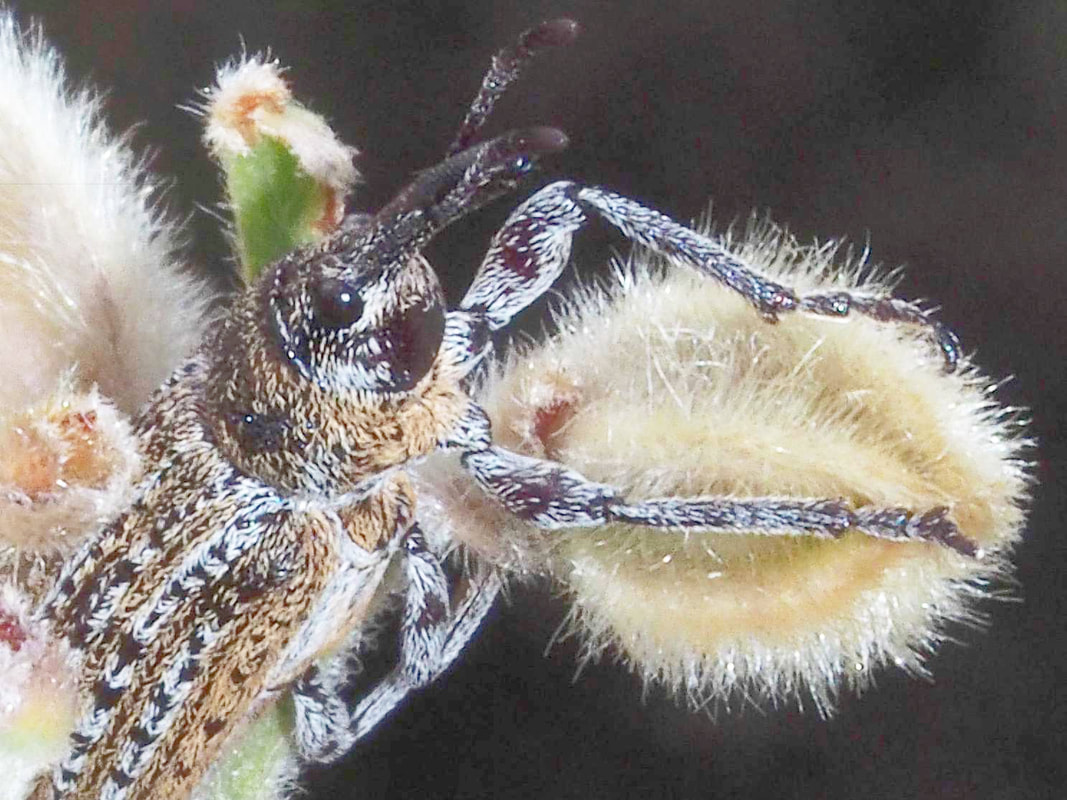
​In Foxes Lair I often see weevils on flowering Jacksonia plants. Here are some examples. I found the rare and beautiful Ctenaphides maculatus only once despite intensive searches.
Picture
PictureCtenaphides maculatus


Tuart bud weevil and gregarious gall weevil
File Size: 1019 kb
File Type: pdf
Download File

Picture
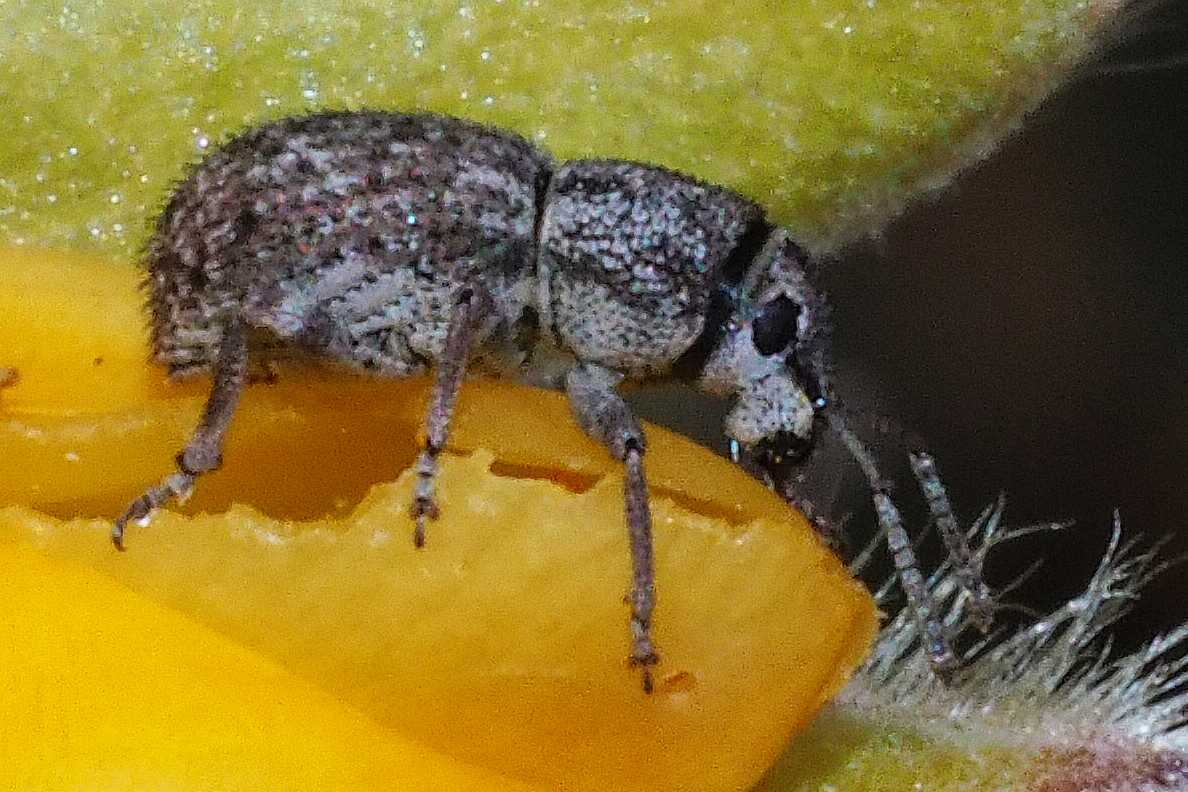
Unknown species
Picture
Rhinotia suturalis
Picture
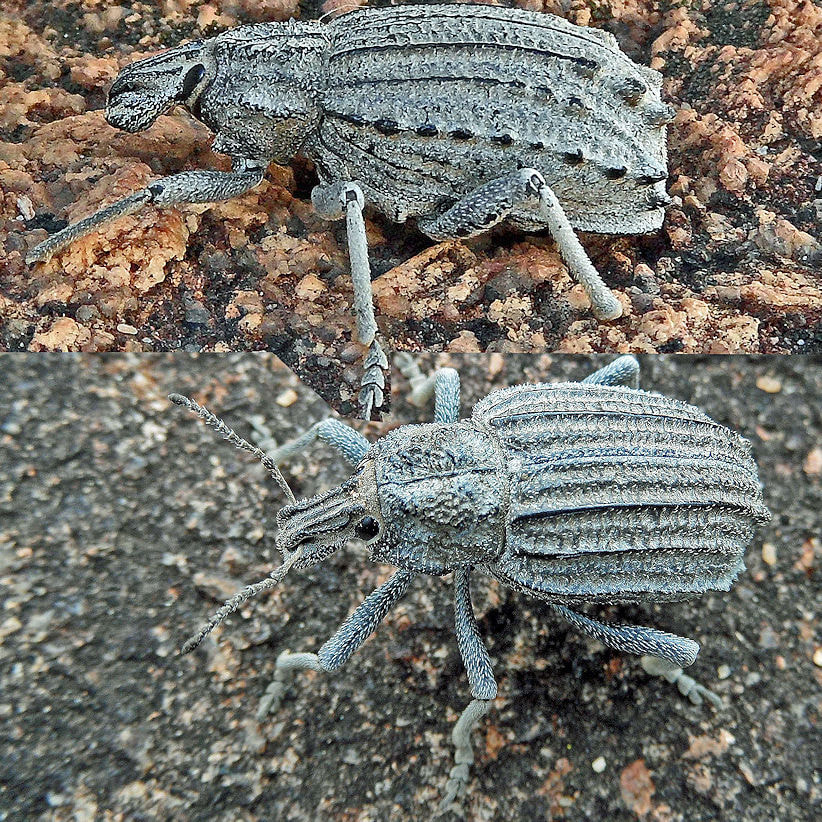
Polyphrades species
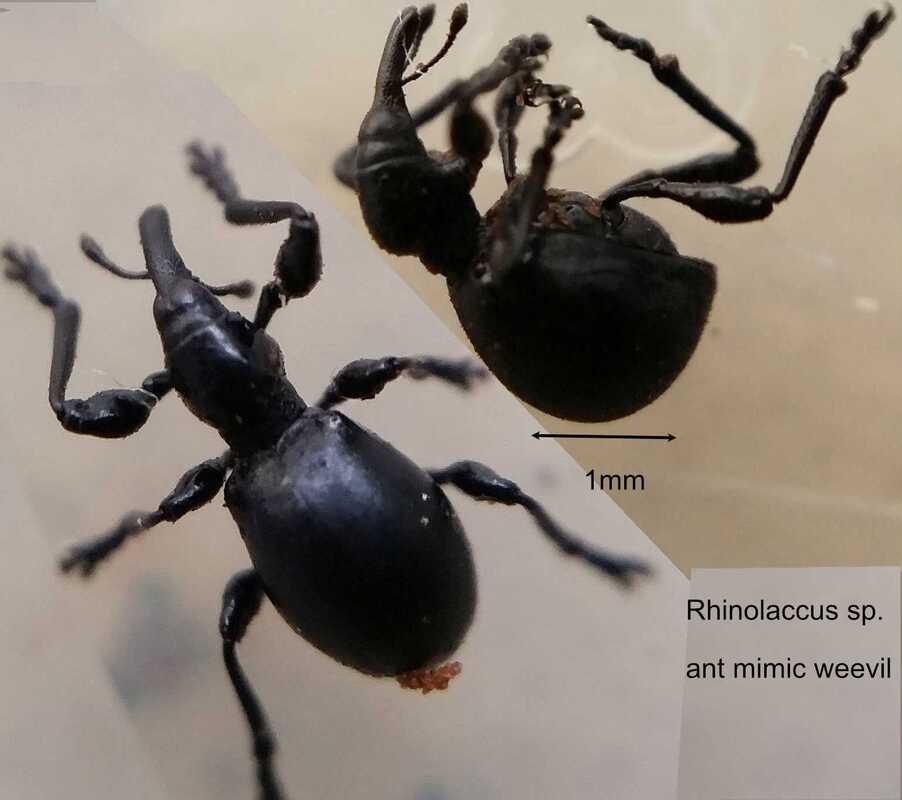
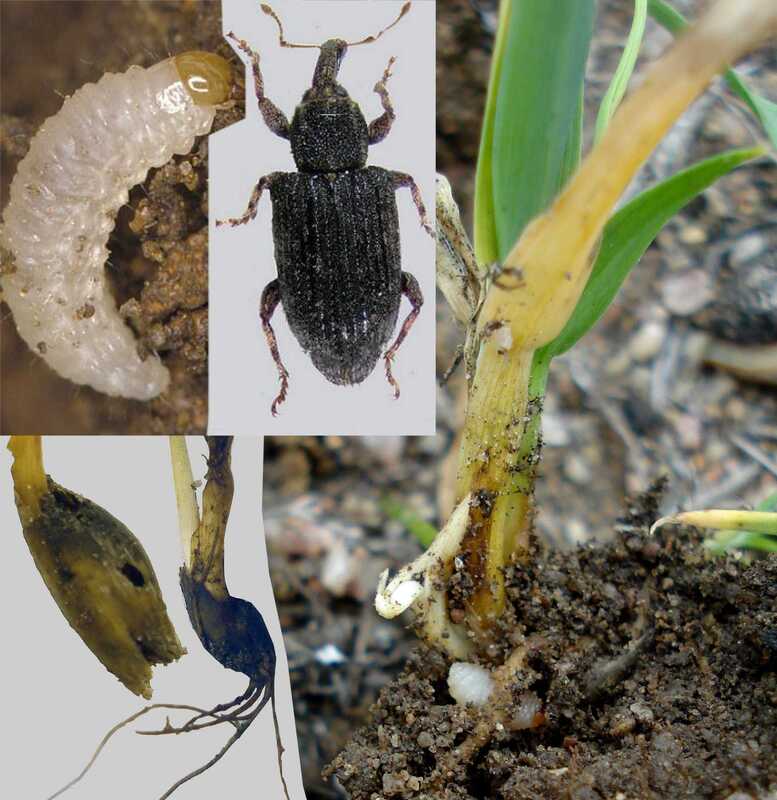
Weevils vary greatly in sizes. Tiny Rhinolaccus ant mimic weevils live on acacias. Adults chew the stems and grub type larvae burrow inside the plants. Other small weevils include agricultural pests such as desiantha weevils and closely related vegetable weevils.
Picture
Desiantha weevil/spotted vegetable weevil
Picture
Surprisingly, closely related species may have different types of larvae. For example desiantha weevil larvae are pale grubs that chew grass roots, while vegetable weevils  have greenish above-ground slug-like grubs that chew leaves like the adults.
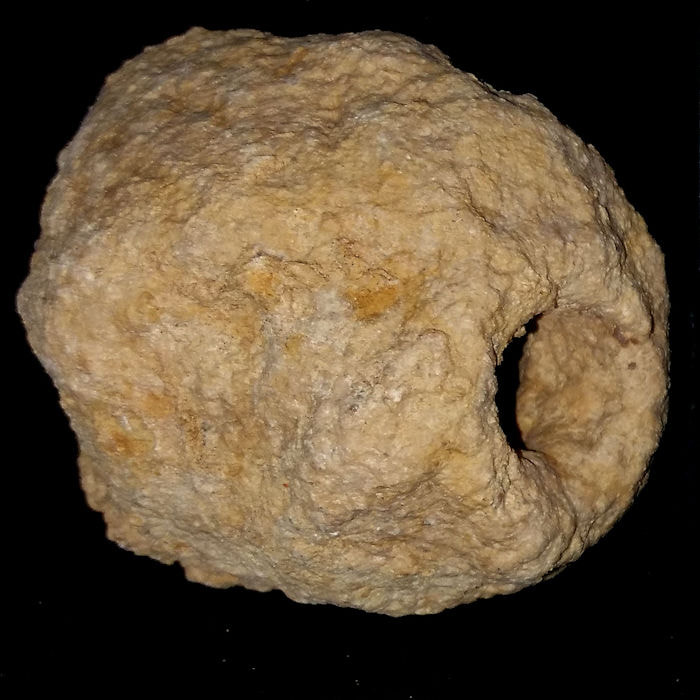
Large weevils are similar. Catasarcus weevil larvae chew eucalypt roots, and Leptopius species (wattle pigs) chew acacia roots. Both pupate underground. This Foxypress recounts fossilised Leptopius pupal cases (clogs) that I found at Mukinbudin.
Picture
Fossilised pupal case (clog)
Picture
Leptopius (wattle pig) adults
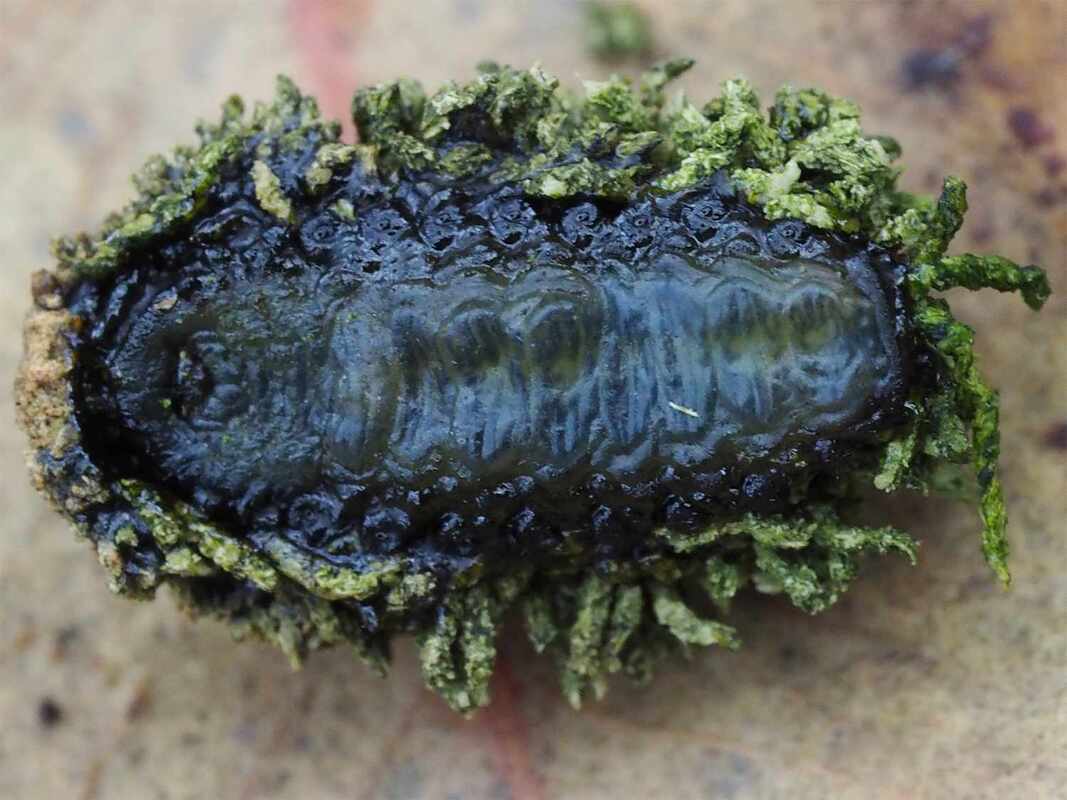
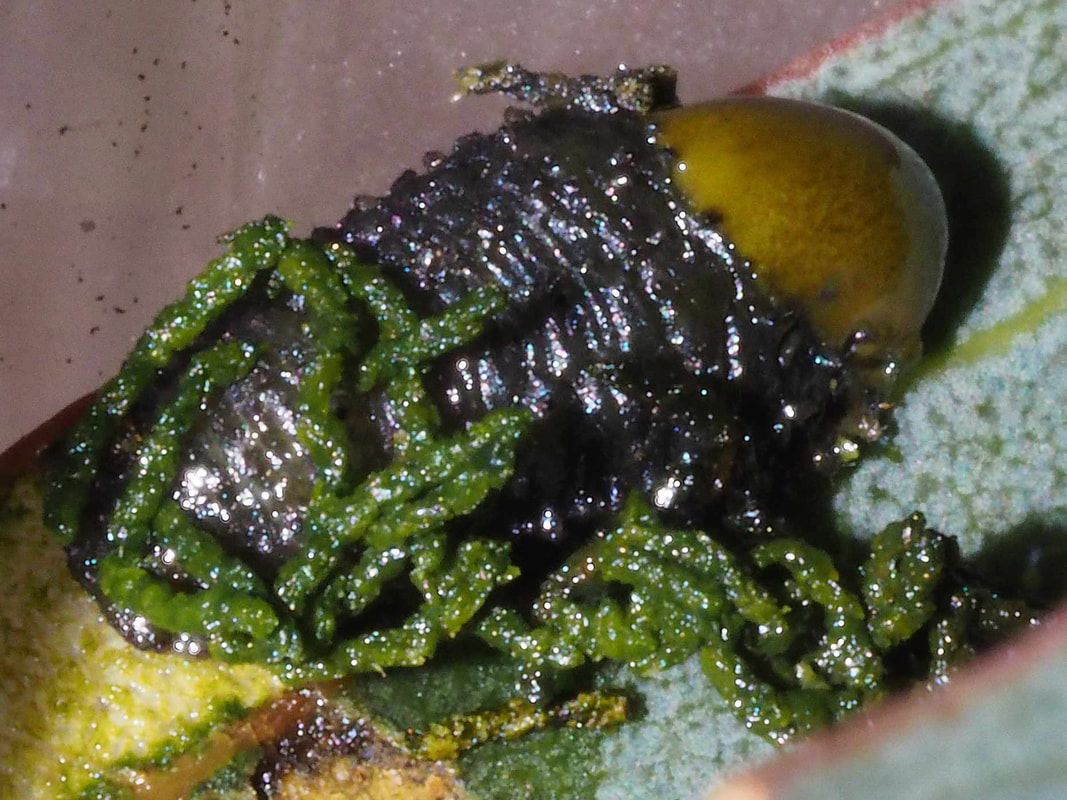
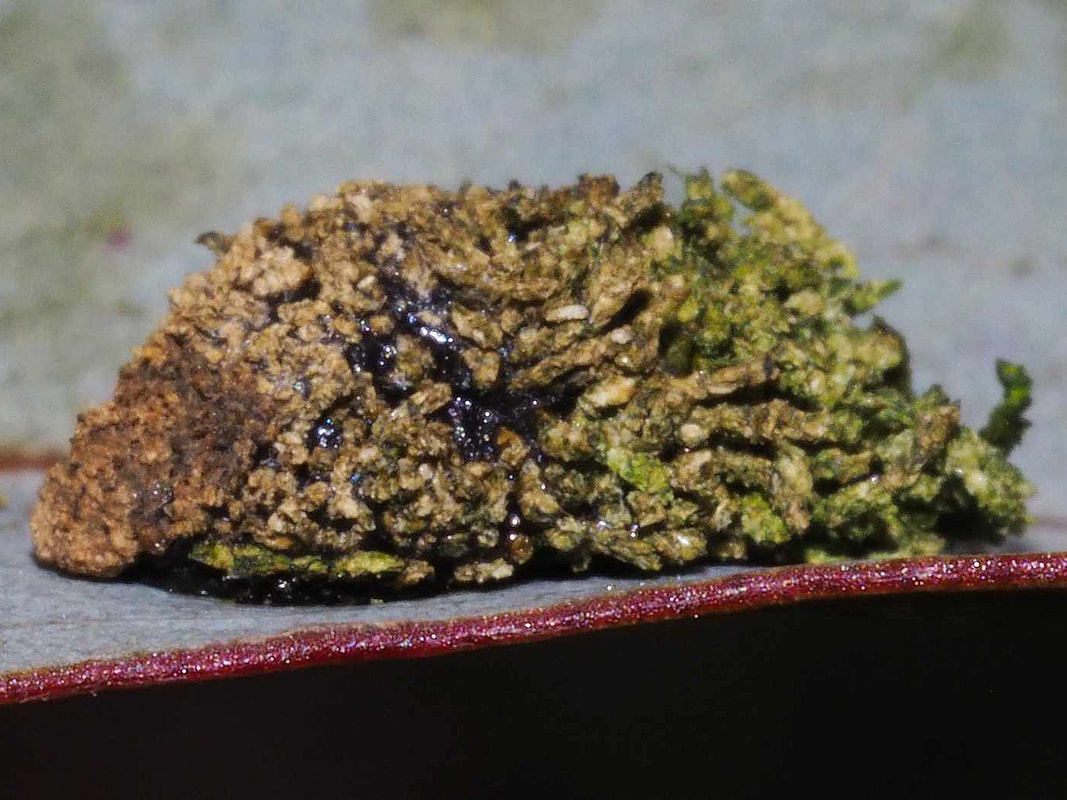
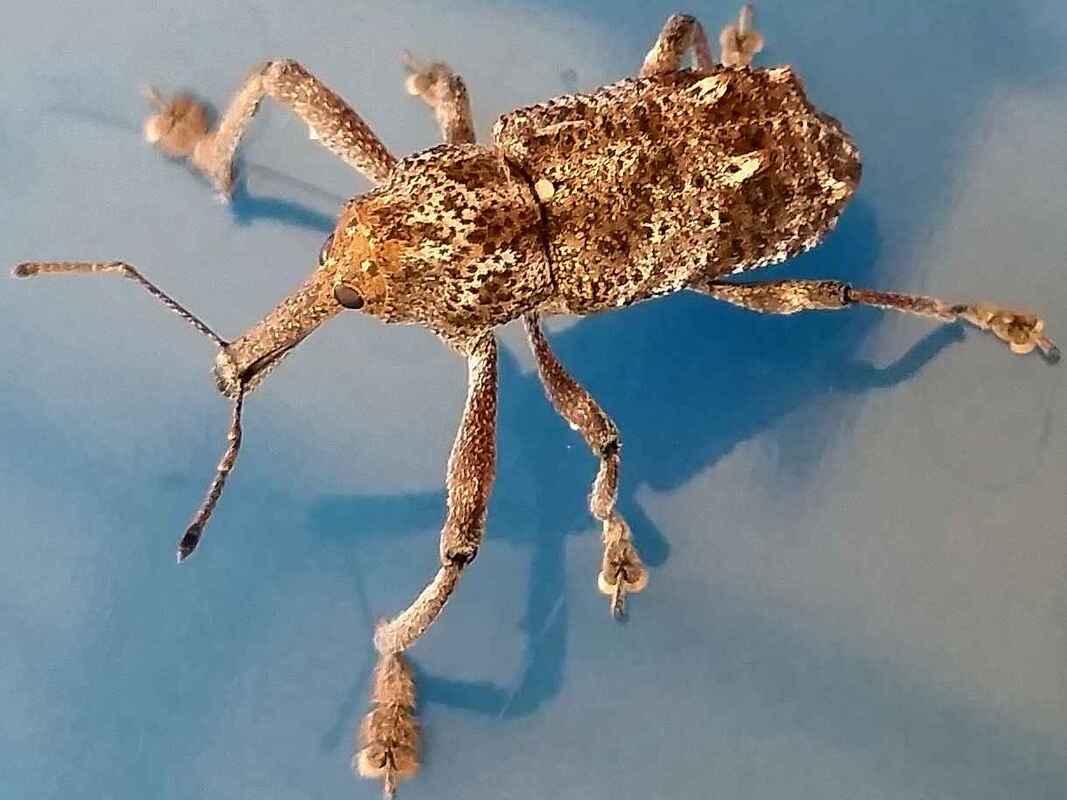
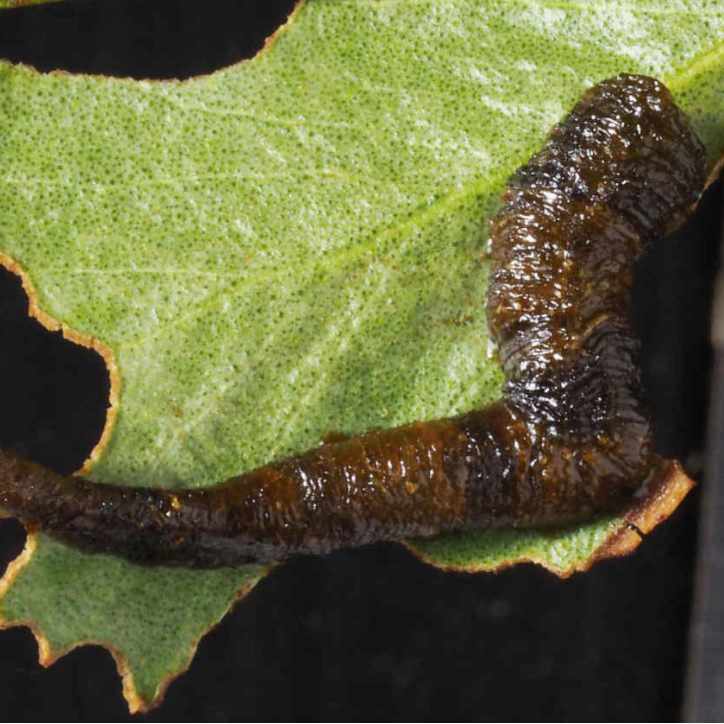
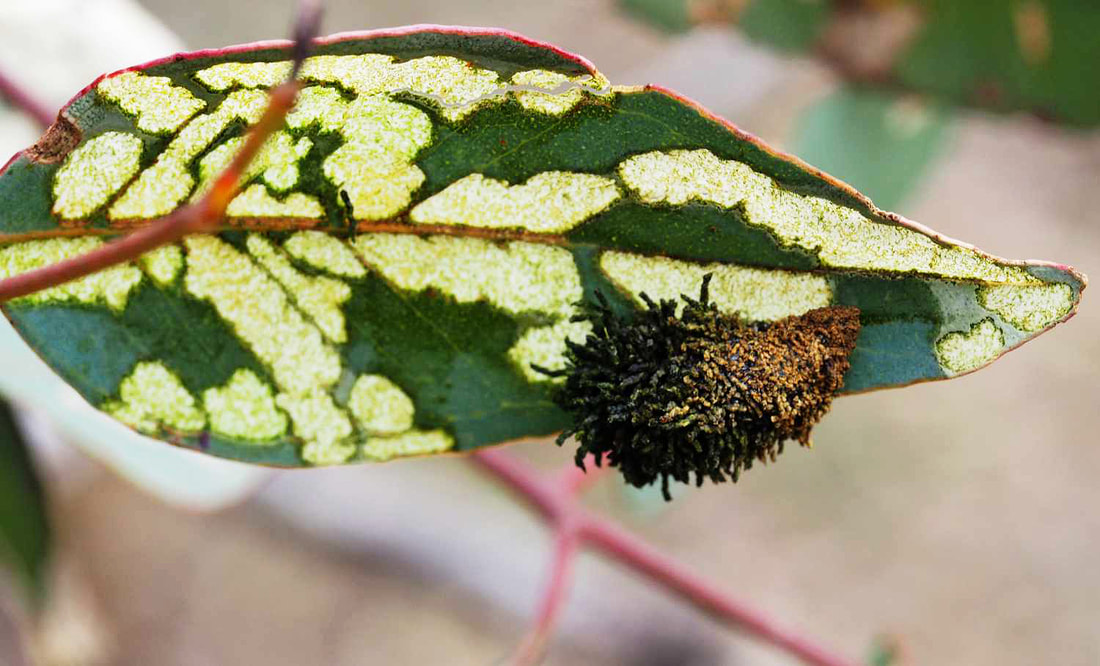
Last spring I was on the hunt for an insect that causes a distinctive leaf damage, they make great photos when the sun is behind the leaf, and finally found the strange slug-like larva of Gonipterus eucalypt weevils. To discourage predators they exude a horrible oily liquid to cover their body and decorate it with their frass (poo). They still get parasitised.
Picture
Picture
Gonipterus sp. weevil. Image Doug McDougie
Picture
Gonipterus larva underside
Picture
Oily gunk it spreads on its back
Picture
Frass covering on top
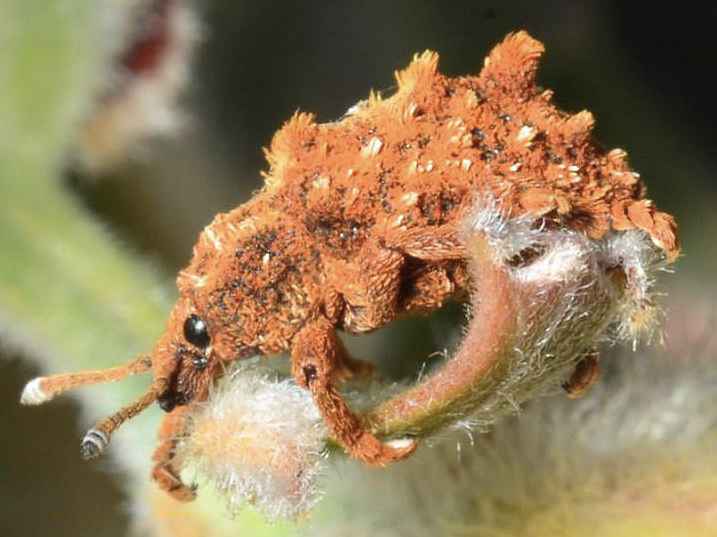
Oxyops species weevils have similar larva but eat melaleucas.
Picture
An Oxyops species
Picture
another Oxyops species
Picture
Polyphrades eucalyptus weevil
0 Comments

Narrogin Hoppers

6/3/2021

0 Comments

 
​Hello fellow Foxies,
An egg mass on a leaf took me on a journey of learning about the world of hoppers.
Planthoppers, leafhoppers, treehoppers and froghoppers are all small bugs that suck sap from plants.
They belong to the order Hemiptera (sucking insects that are called homopterans)
Suborders include
Heteroptera: (typical bugs like stink bugs that suck plants or animal suckers such as bedbugs, and assassin bugs.
Sternorrhyncha: aphids, whiteflies, and scale insects
Auchenorrhyncha: cicadas, leafhoppers, treehoppers, planthoppers, and spittlebugs (adults called froghoppers)

Hoppers have aerodynamically shaped adult bodies and most have an exceptional hopping ability to escape from predators. The nymphs are generally tiny. There is great confusion around hopper names. For example the commonly named two-lined treehopper below is in the leafhopper genus.
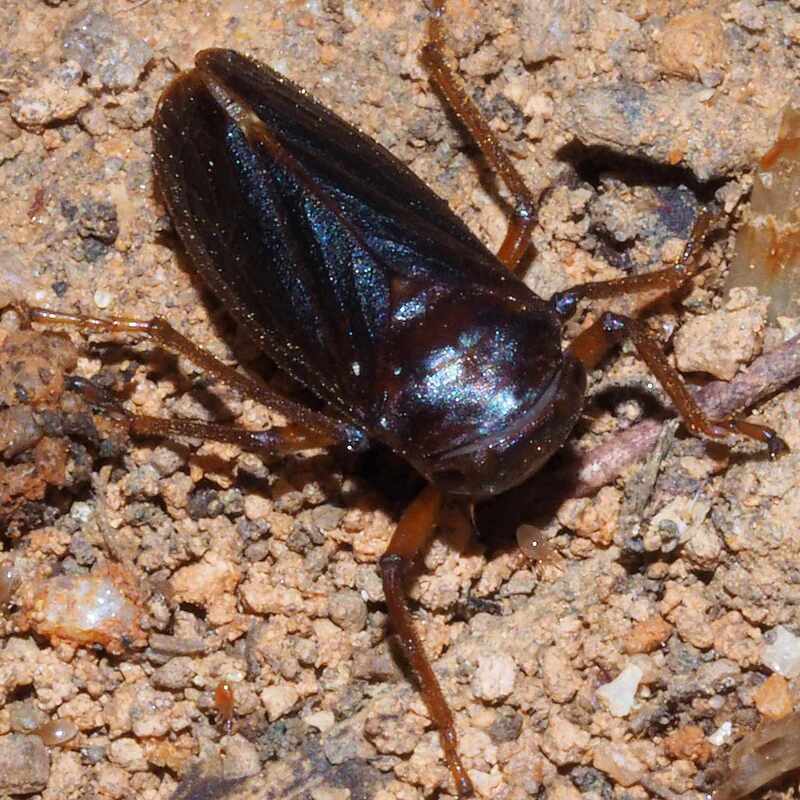
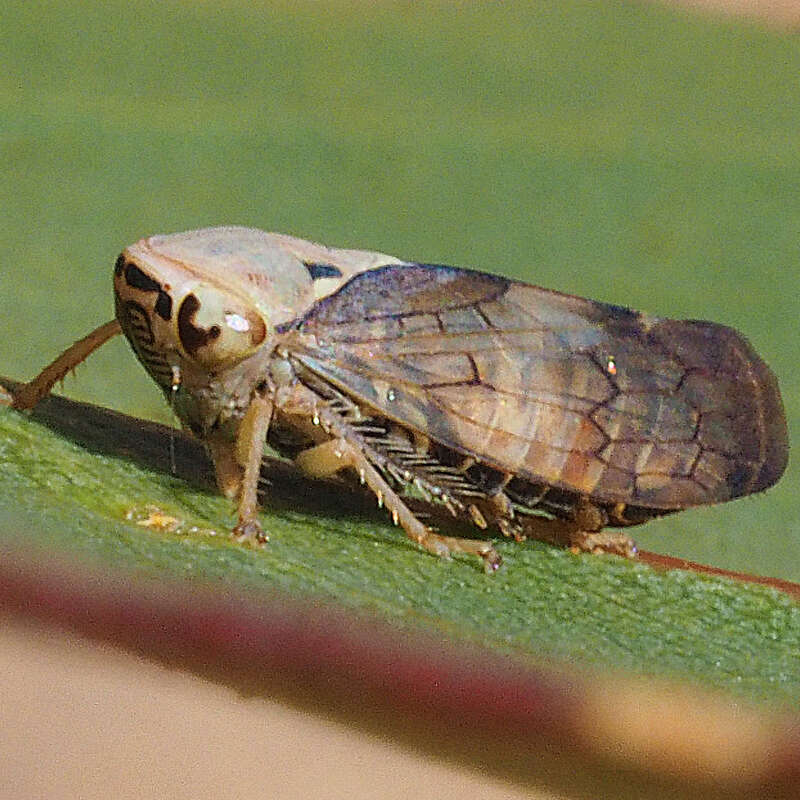
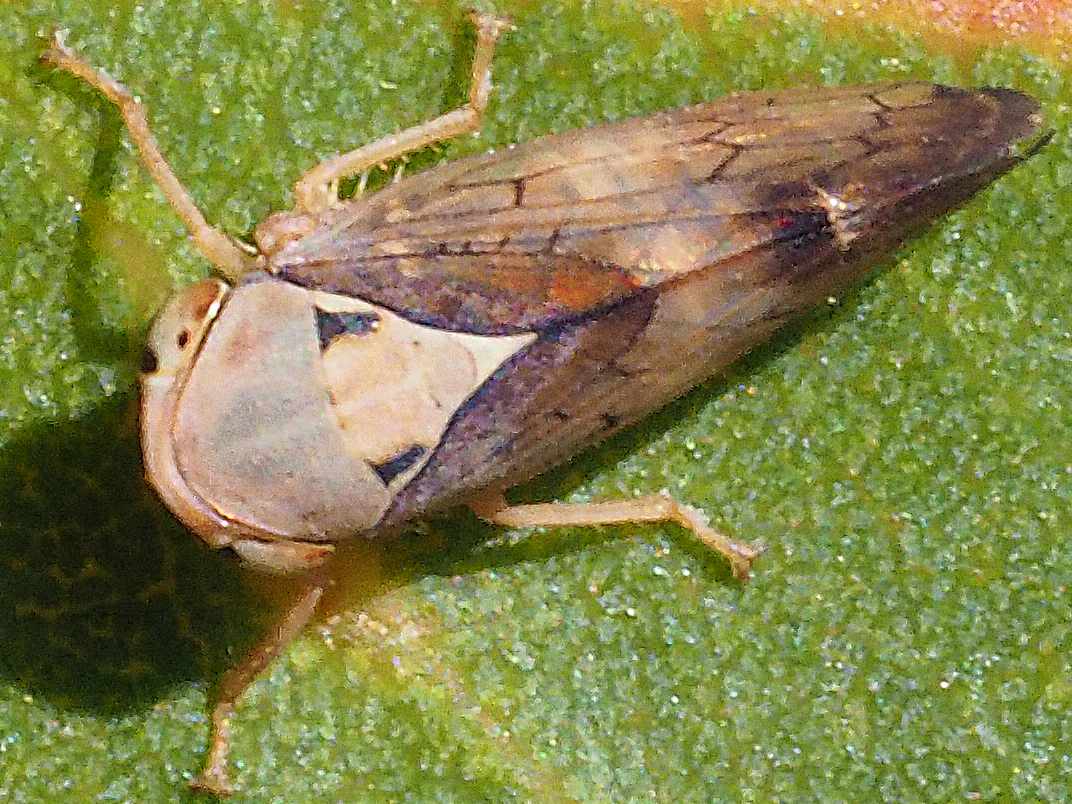
Adult leafhoppers (Family Cicadellidae) have torpedo-shaped bodies and wings that tend to be flat on the body. I have found the three species below. The brown leafhopper lives in an ant nest and is tended by ants.
Picture
Leafhopper;Pogonoscopus Pogonoscopini
Picture
Leafhopper; Subfamily Tartessinae
Picture
Leafhopper; Two-lined gum treehopper Eurymeloides bicincta
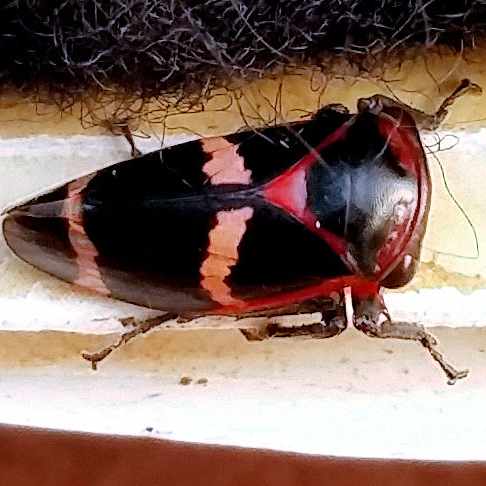
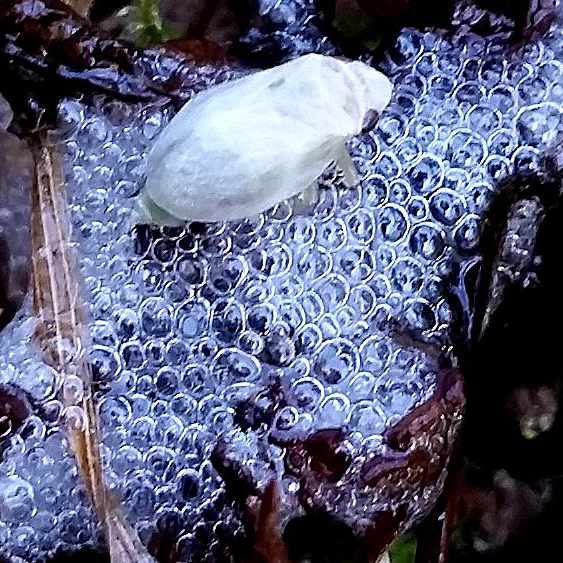
I am yet to find a froghopper. They are more often seen as their strange nymphs called spittlebugs
Picture
Spittlebug (nymph) family Aphrophoridae Bathyllus albicinctus
Picture
Tube spittlebug (nymph) family Machaerotidae
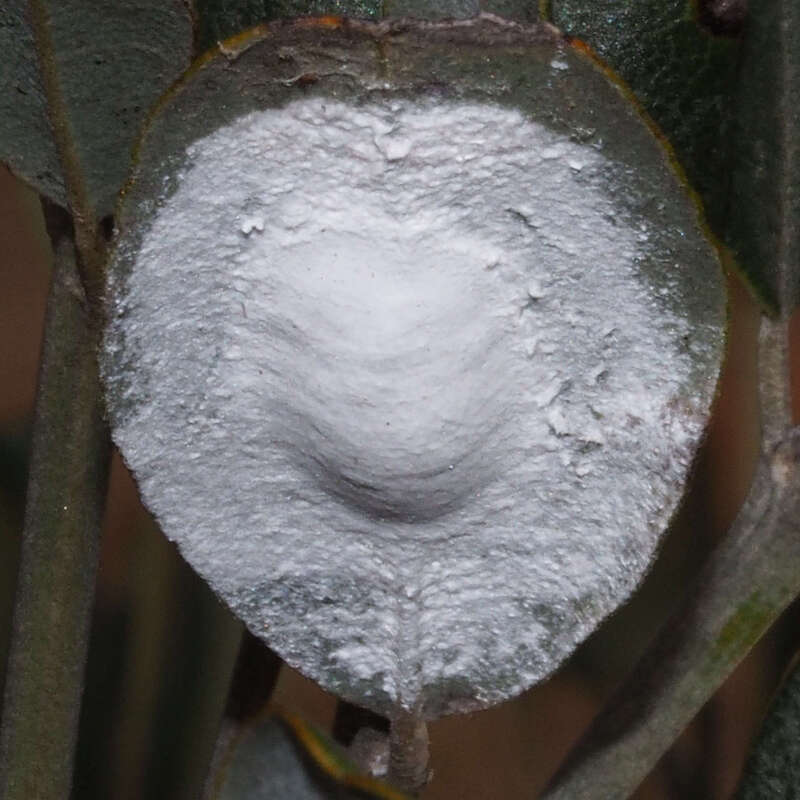
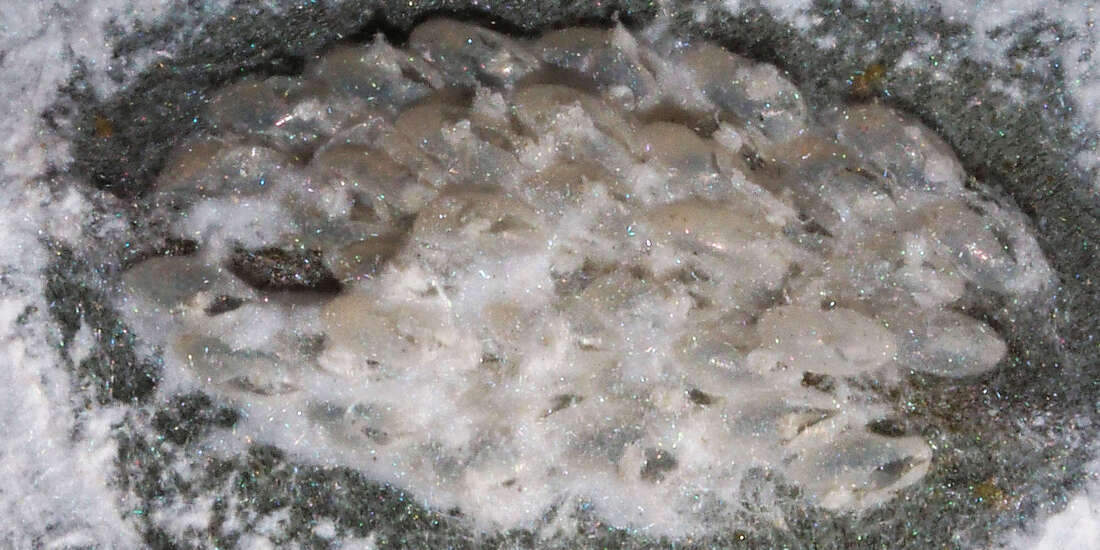
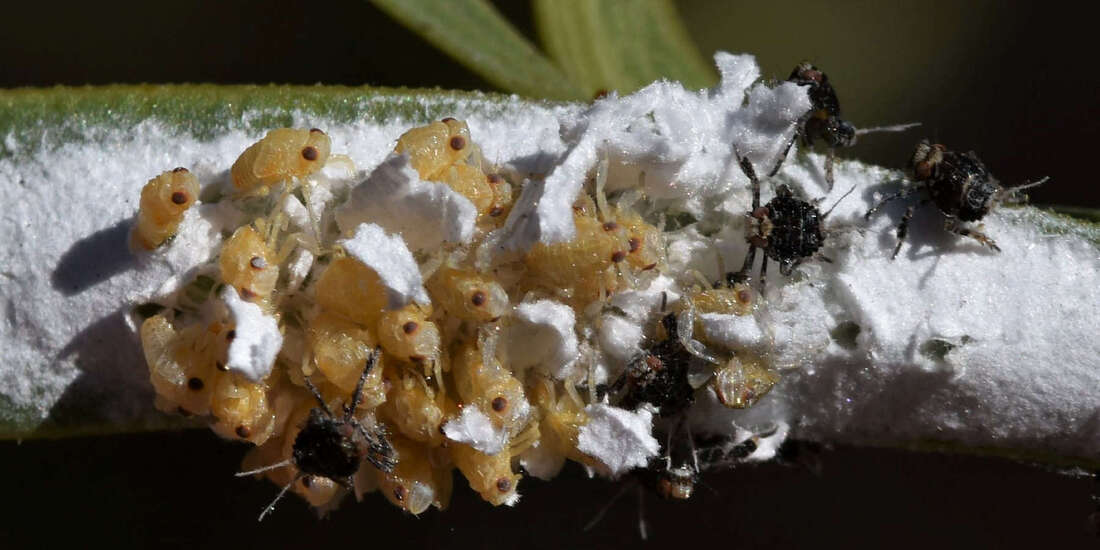
​My interest in hoppers started with attractive white blobs that appeared in January on box poison leaves in Foxes Lair. They were planthopper egg masses with a white waxy cover. Planthoppers have mostly narrow heads with large compound eyes separated by a ridge. I was yet to find an adult planthopper and eagerly monitored the blobs for emerging juveniles. 
Picture
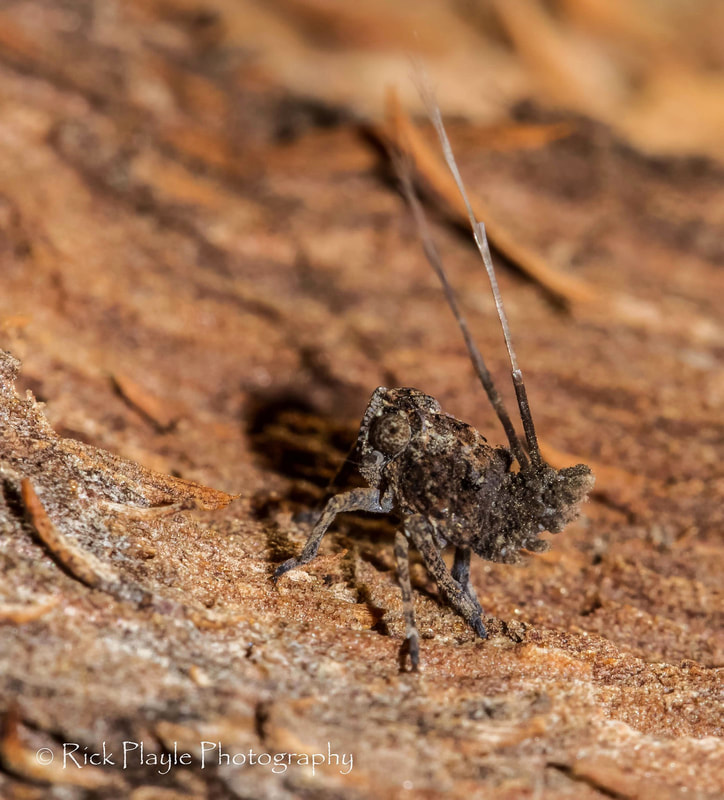
Eurybrachid planthopper nymph head on left
Picture
Egg mass
PictureToo late. Most have hatched leaving empty shells

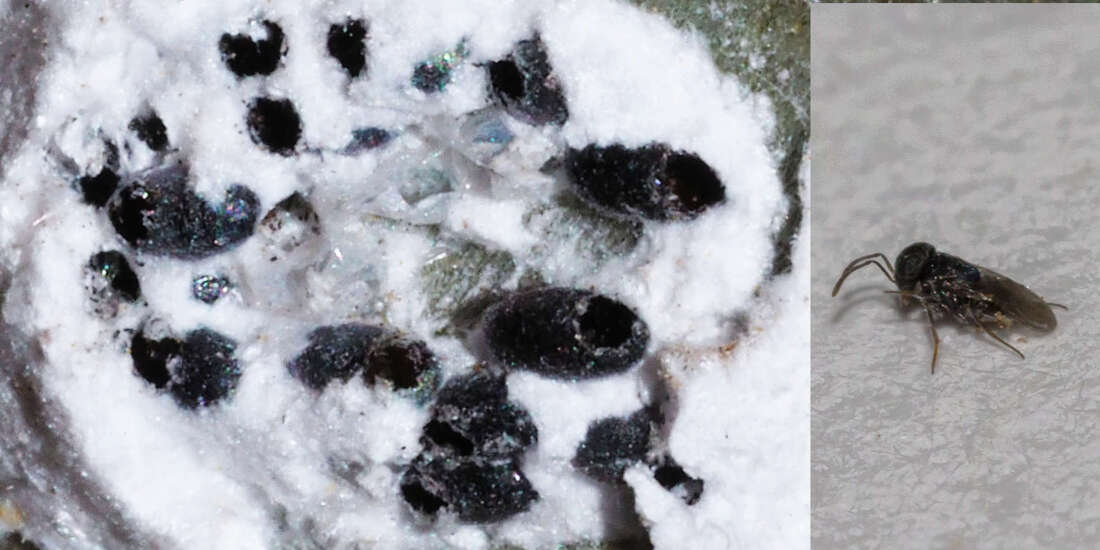
​Alas I never witnessed the wonderful hatching time. The egg masses were empty, or they had 1mm black spots in the mass that looked like parasite eggs.
​
I put a leaf with spotty egg mass in a glass jar and sure enough tiny 2mm blackish wasps appeared. This species is just one of thousands of stingless parasitoid chalcid wasps that keep insect numbers in control. 

Picture
Hatching planthoppers; image Doug Mcdougie
Picture
Wasp eggs an emerged adult
Amazingly there are even tinier (from 0.1mm; a printed full stop is about 0.3mm!) hyperparasitic wasps that keep chalcid wasp numbers down by laying their eggs on the other wasp’s eggs. I won’t be getting a photo of these anytime soon!
0 Comments

Parrotbush Decline in Foxes Lair

21/1/2021

1 Comment

 
​Hello fellow Foxies,
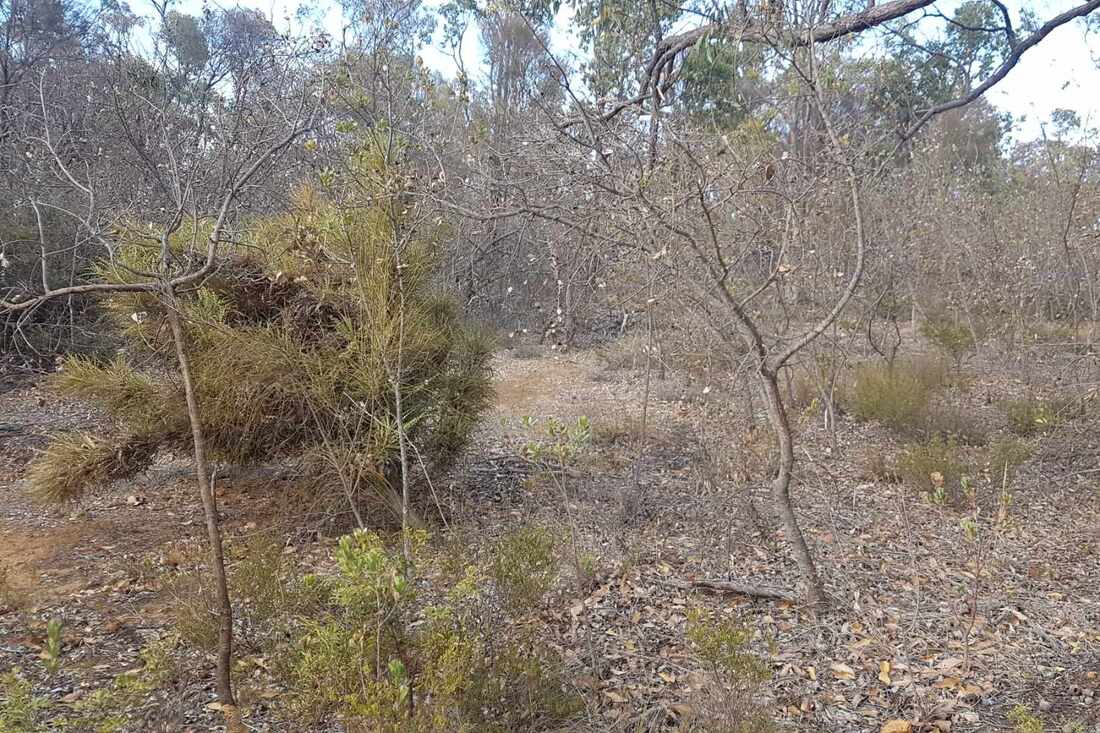
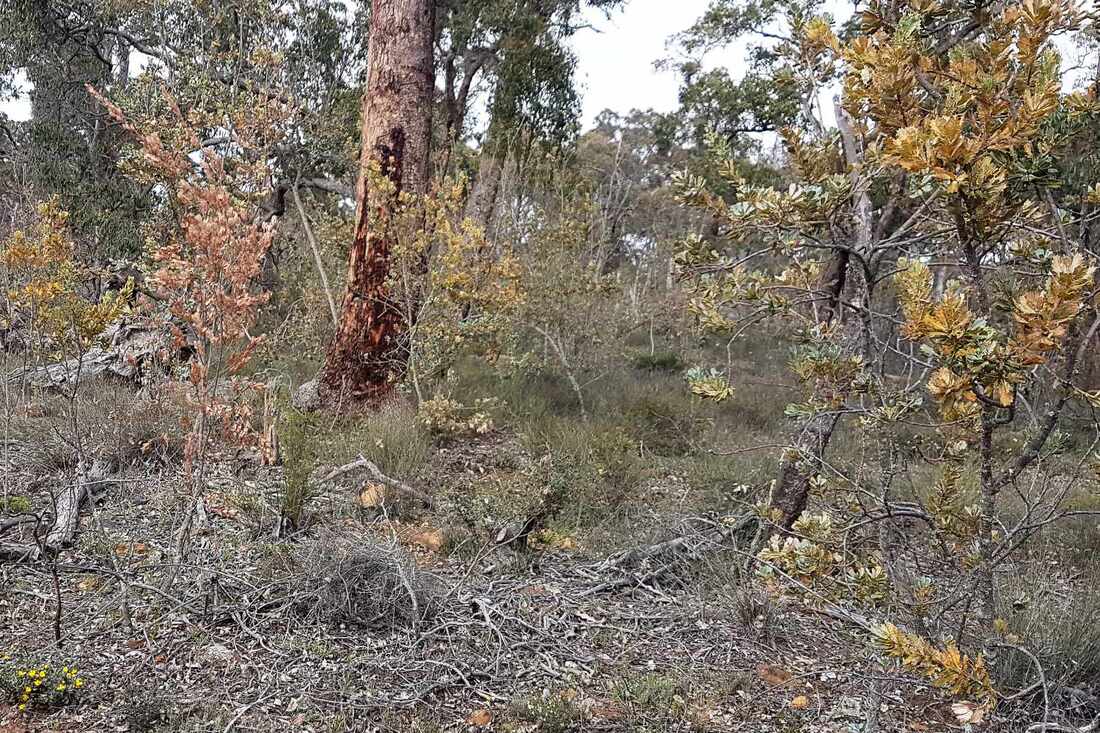
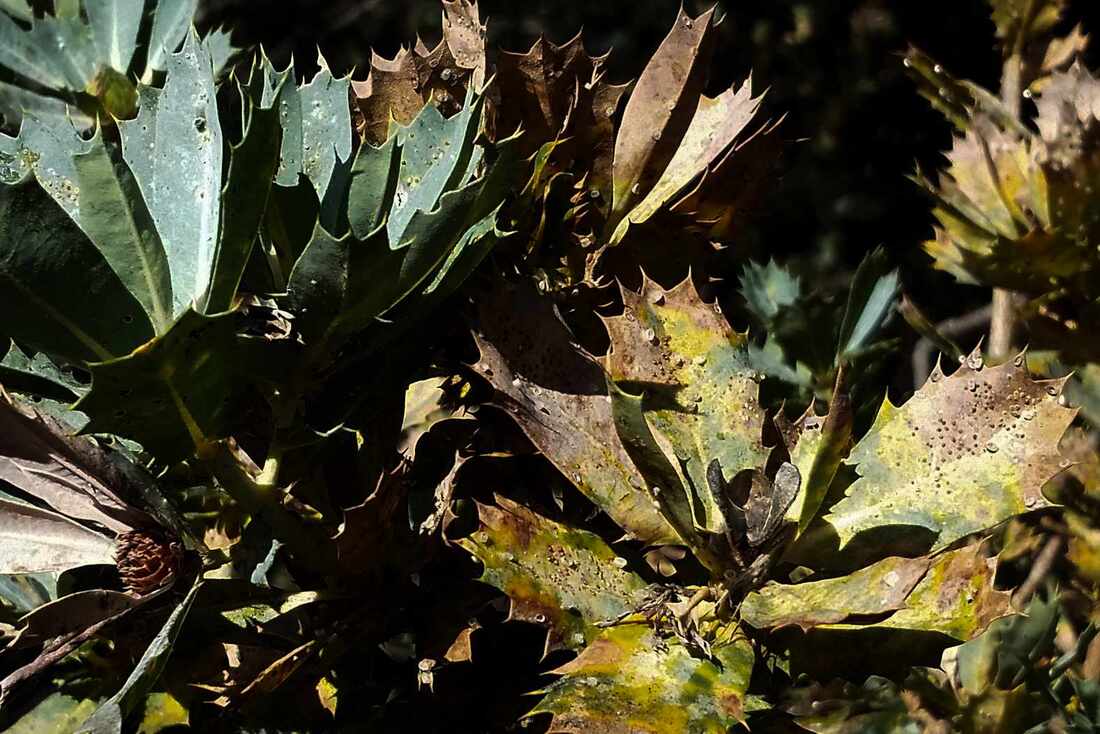
About three years ago during a very dry spring I noticed that parrotbush (Banksia sessilis) plants on Banksia Walk shallow ironstone soil east of the water tank were severely infested with a scale insect. The damage has progressed each year to the extent that most plants there are dead or unthrifty. Accompanying golden dryandra (Banksia nobilis) plants are much less affected
Picture
Dead, dying parrotbush with healthy golden dryandra
Picture
Severely damaged parrot bush plants
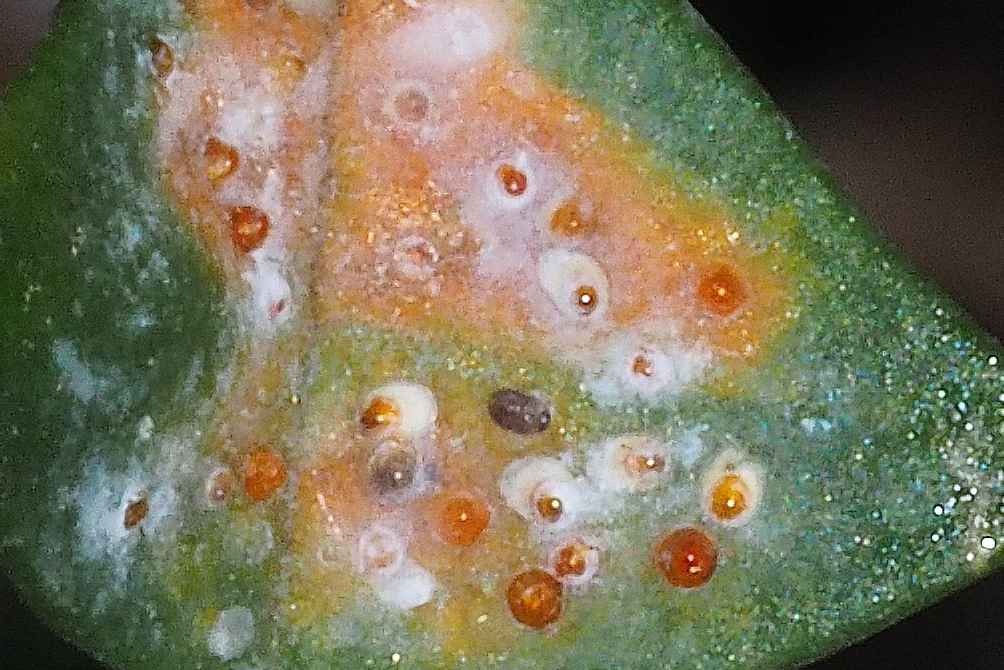
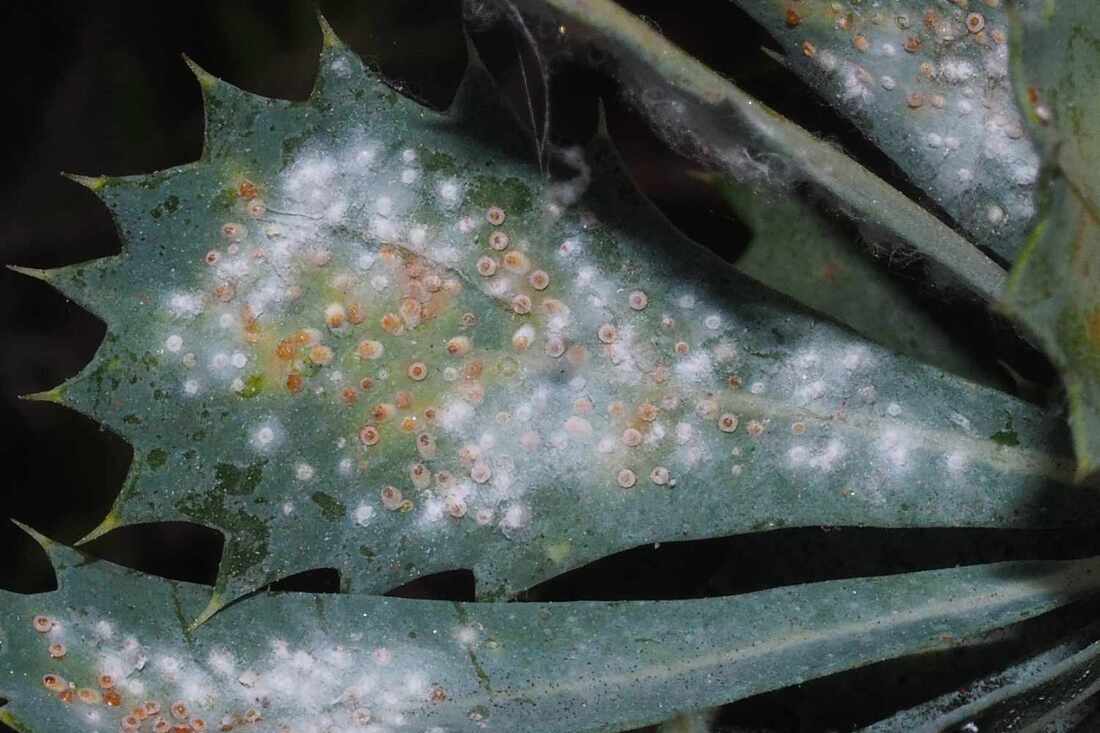
​After much investigation I discovered that symptom severity is linked to soil water holding capacity, with far less damage on deeper and sandier soils. Another finding was that two organisms are involved. The first was identified as whitefly, but a new species rather than the common Aleurotrachelus dryandrae
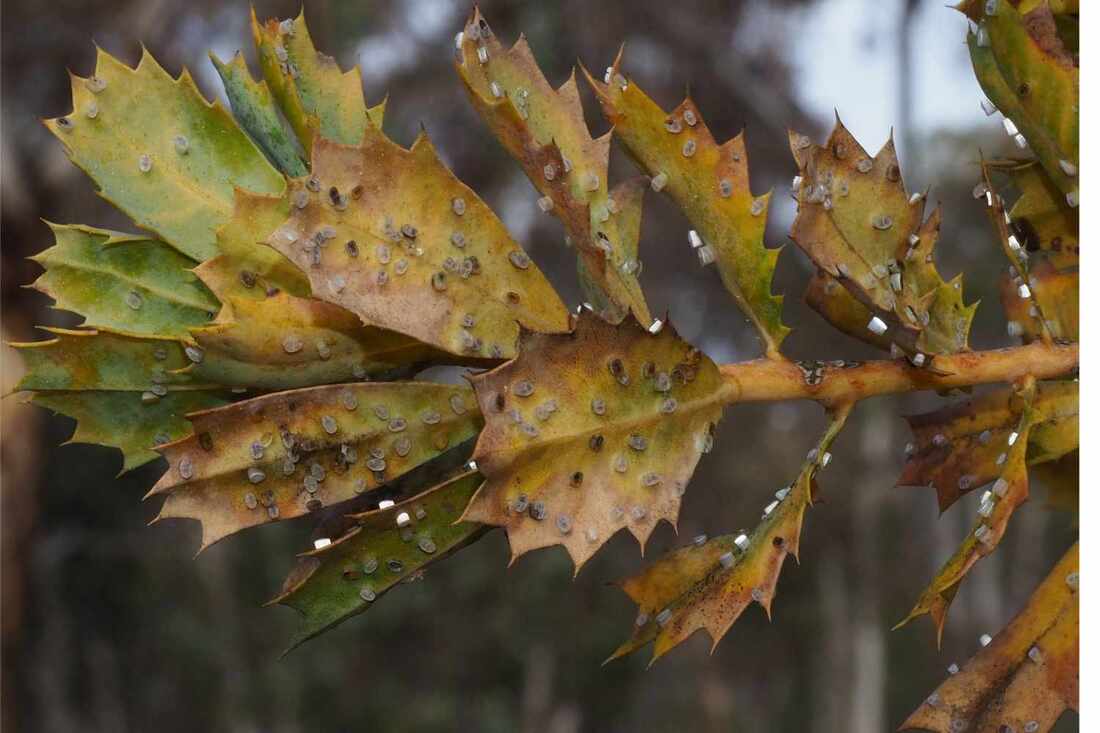
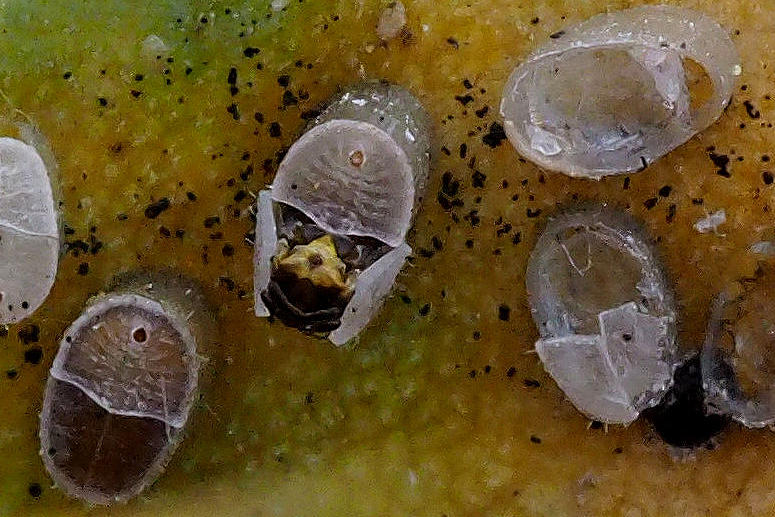
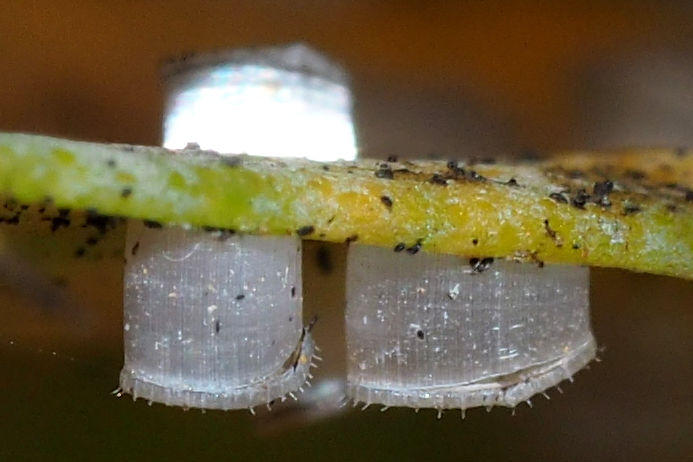
Adult whiteflies look like tiny white powdery moths, but I am yet to see any. The mains signs are small powdery spots (early larvae), yellowish to brown scale-like mid-stage larvae and pupal cases that look like miniscule white crystal coffins. Whitefly are supposed to only be on the leaf underside, but this species is often on the upper side. Infested leaves often have a powdery or waxy looking coating and black spots that may be associated with honeydew exuded by the larva. The spots look like insect poo to me!
Picture
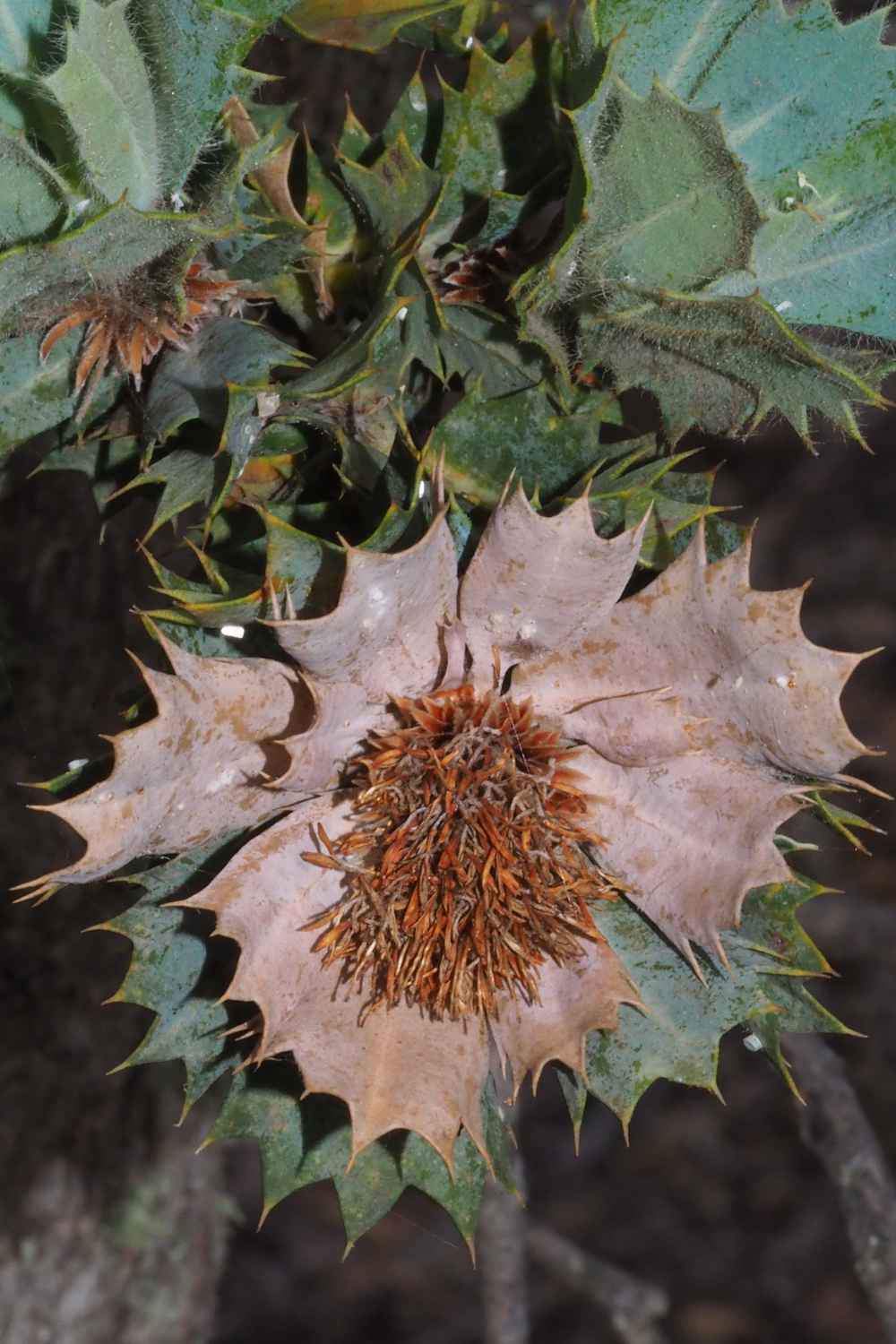
Infested golden dryandra
Picture
Early,mid stage larvae (instars)
Picture
Empty pupal cases
Picture
Intact and broken pupal cases
Picture
Fringed pupal cases
Picture
Varying levels of damage
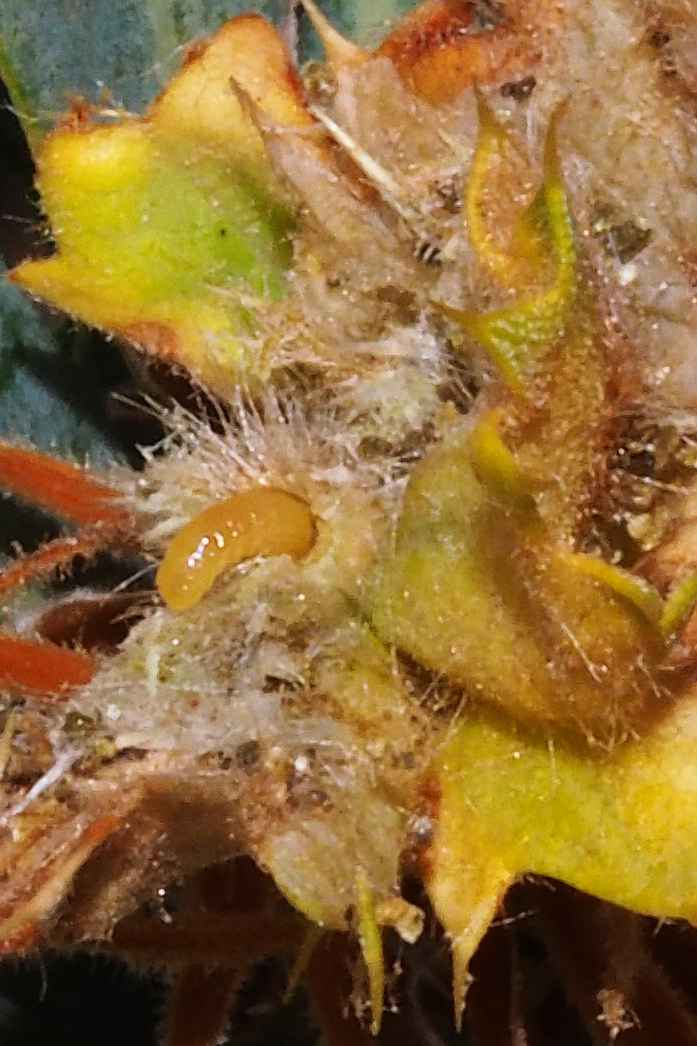
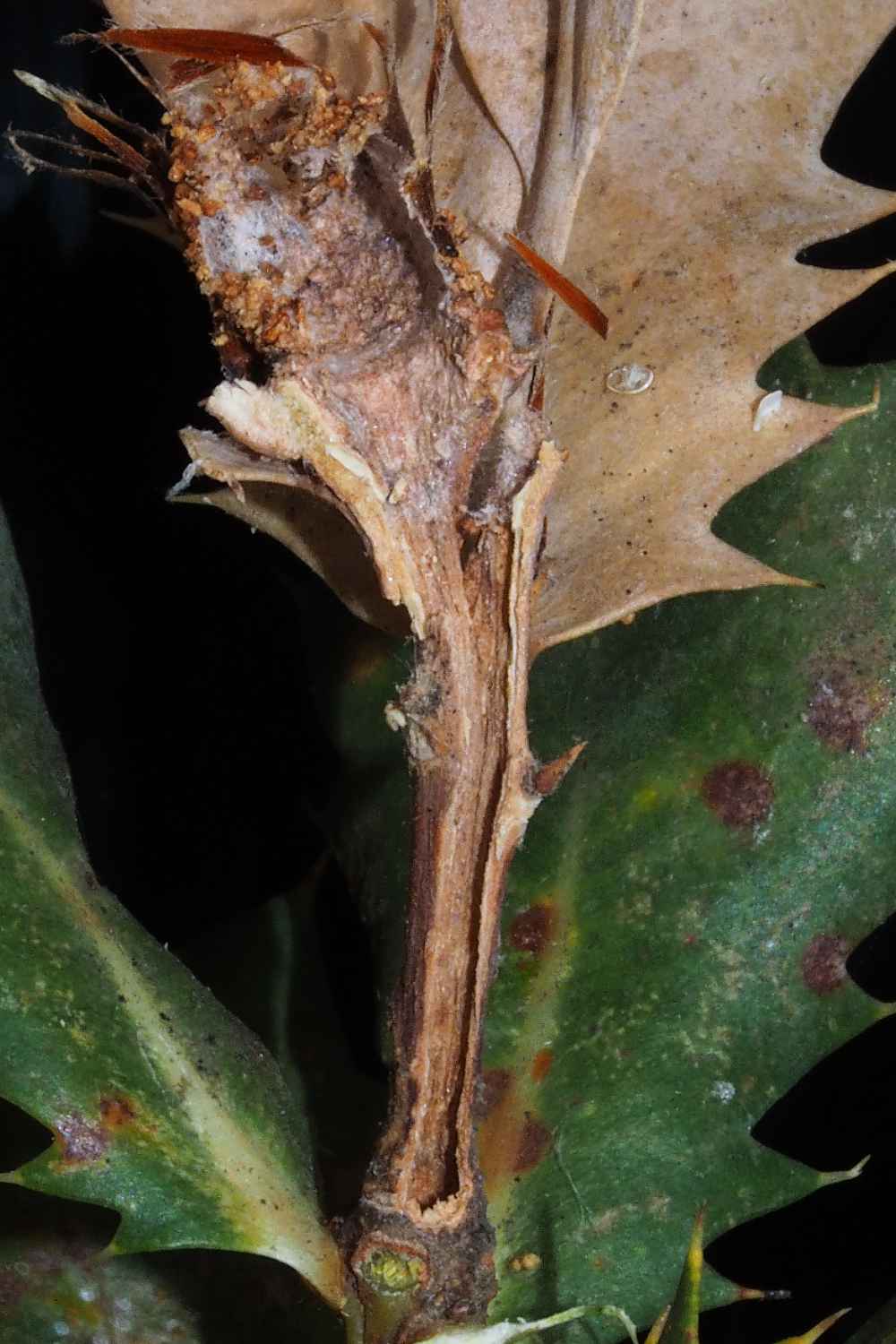
​While the leaves are being sucked dry, the growing points are also being killed by an evil caterpillar. From an egg laid on shoot or flower, the caterpillar hollows out the stem to the first node. It returns to the dead growing point to pupate and exit.
Picture
Dead flower and surrounding leaves
Picture
Caterpillar in hollow stem
Picture
Hollowed out stem and flower
​Moisture stressed plants are more susceptible to diseases and pests, and increased temperatures also increase temperatures worsen pest damage by speeding up their life cycle.
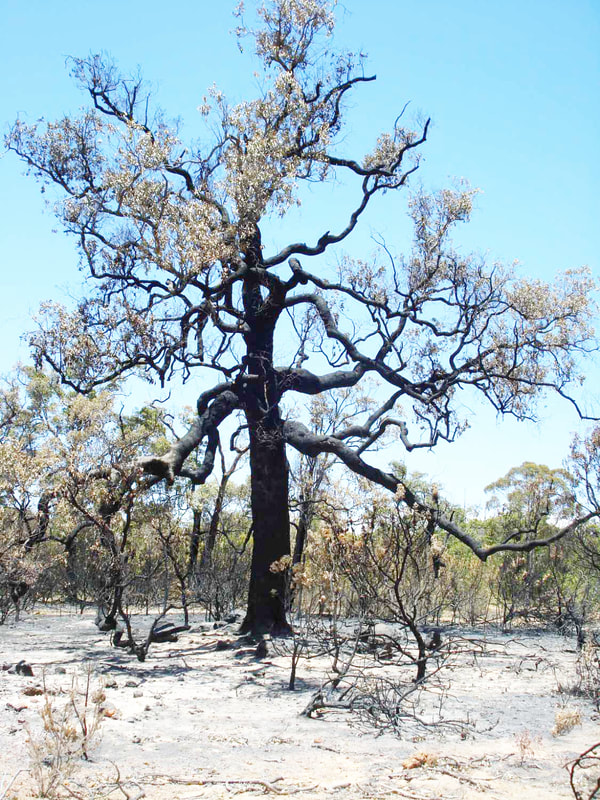
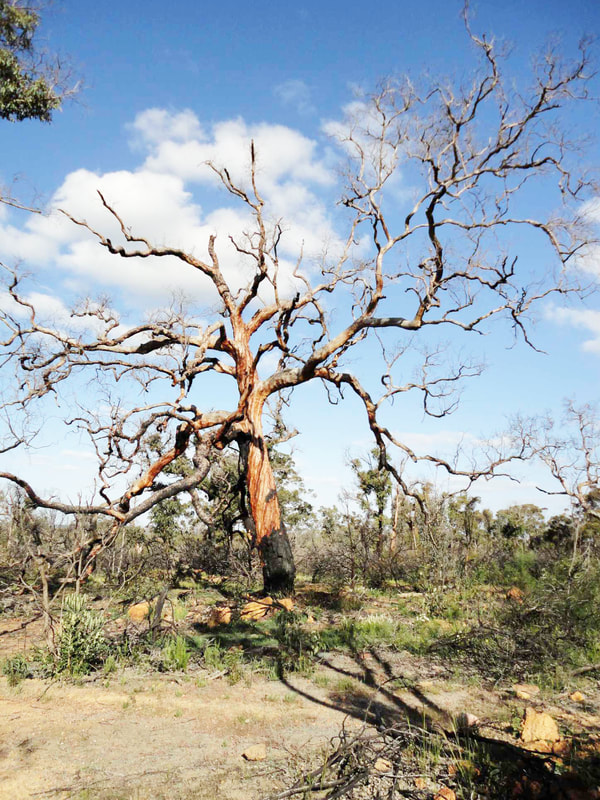
The Banksia walk was named after a small group of Bull Banksia (Banksia grandis) plants that occur on this soil. They have been struggling in recent years, and some are dying this summer. Interestingly they are not greatly infested with whiteflies or borers. This area is a photo-reference site that I have been monitoring. Images changes since the 2009 fire.
Picture
2009 marri killed by fire
Picture
2011 regrowth
Picture
2016 healthy Banksia grandis
Picture
2021 Banksia grandis dying back
​This is another biodiversity loss in Foxes Lair in addition to flooded gum death, marri decline, and wandoo crown decline that I have observed in the last 20 years.  I still remember being surprised when I arrived in Narrogin in 1986 and a farmer told me how much his farm’s rainfall had fallen. We now have even less and more variable winter rainfall. 
1 Comment

Foxes Lair Flea Beetles

1/12/2020

0 Comments

 
​Greetings fellow Foxies
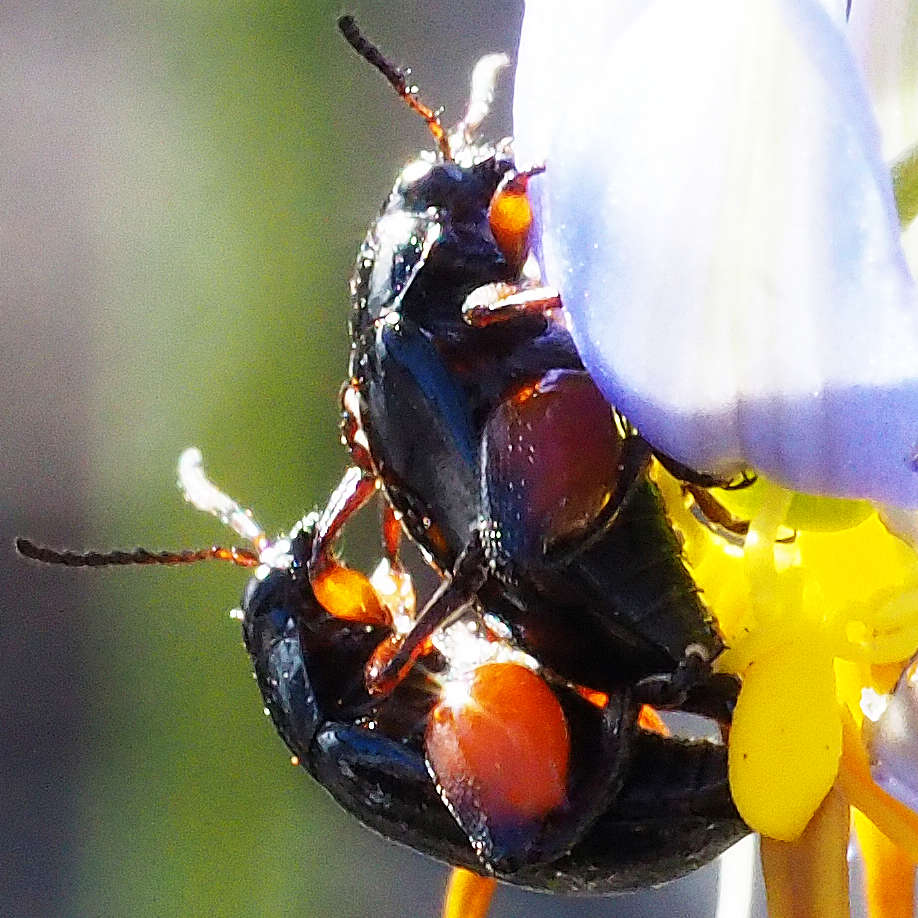
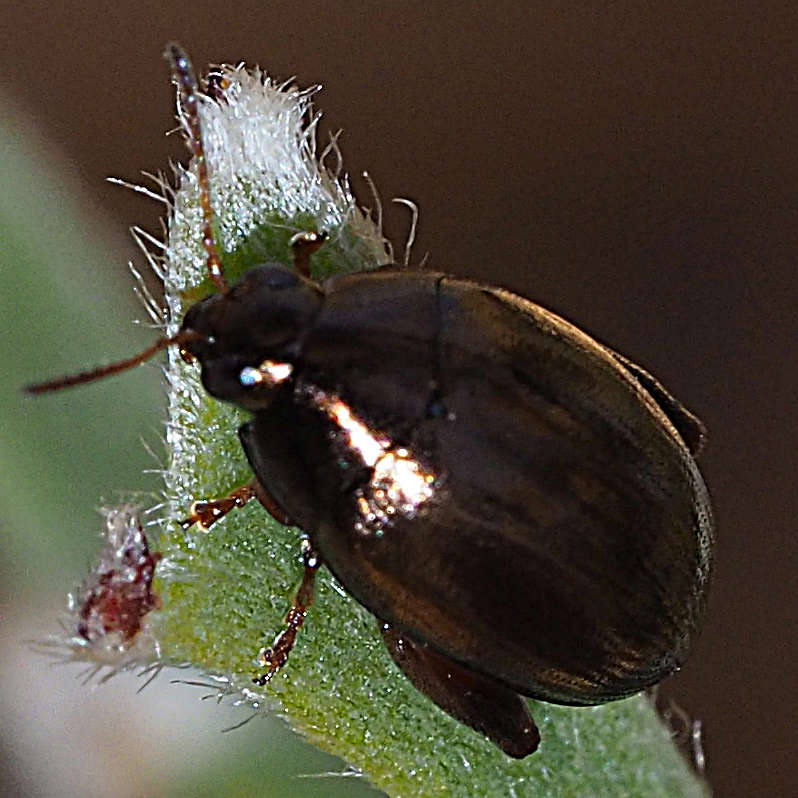
Last week I discovered a flea beetle love nest on a Blueberry Lily with at least a 6 pairs mating on the flowers and taking an occasional nip of flower to maintain their stamina.
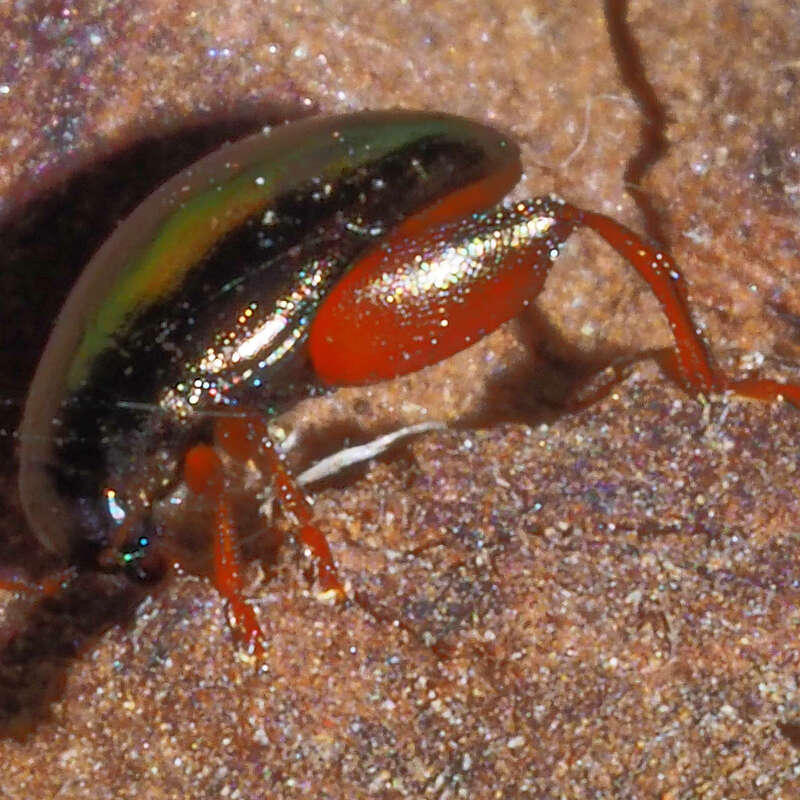
The flea beetle is a small, jumping beetle of the leaf beetle family (Chrysomelidae), that makes up the tribe Alticini.
I first noticed some last year as ~ 4mm shiny beetles that jumped like fleas when I tried to photograph them. Have a look at the hind leg muscles in the images below -seriously steroidal.
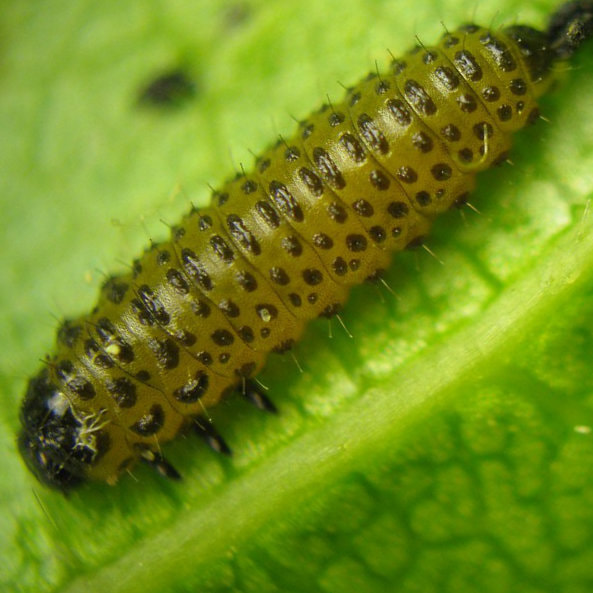
A bit of Googling revealed that they can be pests in the northern hemisphere, and I recognised a picture of a larva as a horrible little grub that shreds marshmallow weed leaves in my back yard each winter. They are welcome to marshmallow but move on to crucifers like turnips and broccoli. I have learnt not to grow turnips or allow marshmallow to germinate in the garden patch before planting broccoli.
Picture
Picture
Picture
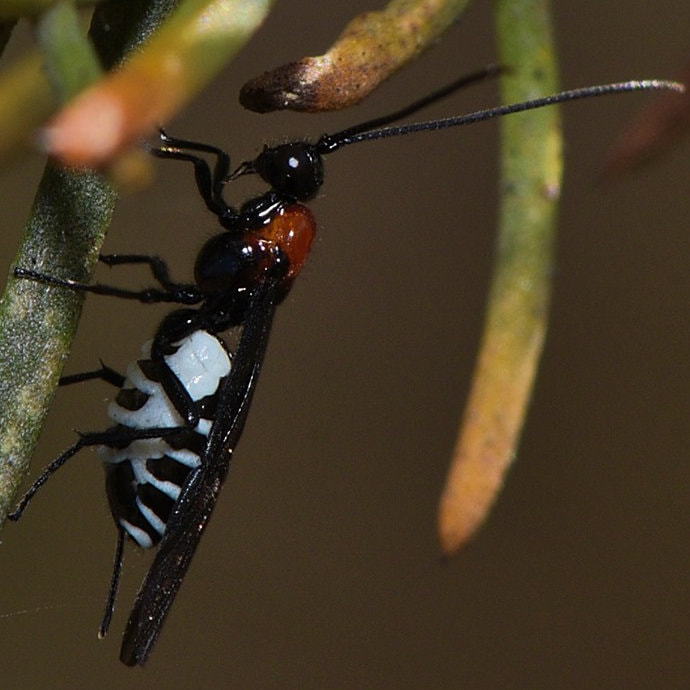
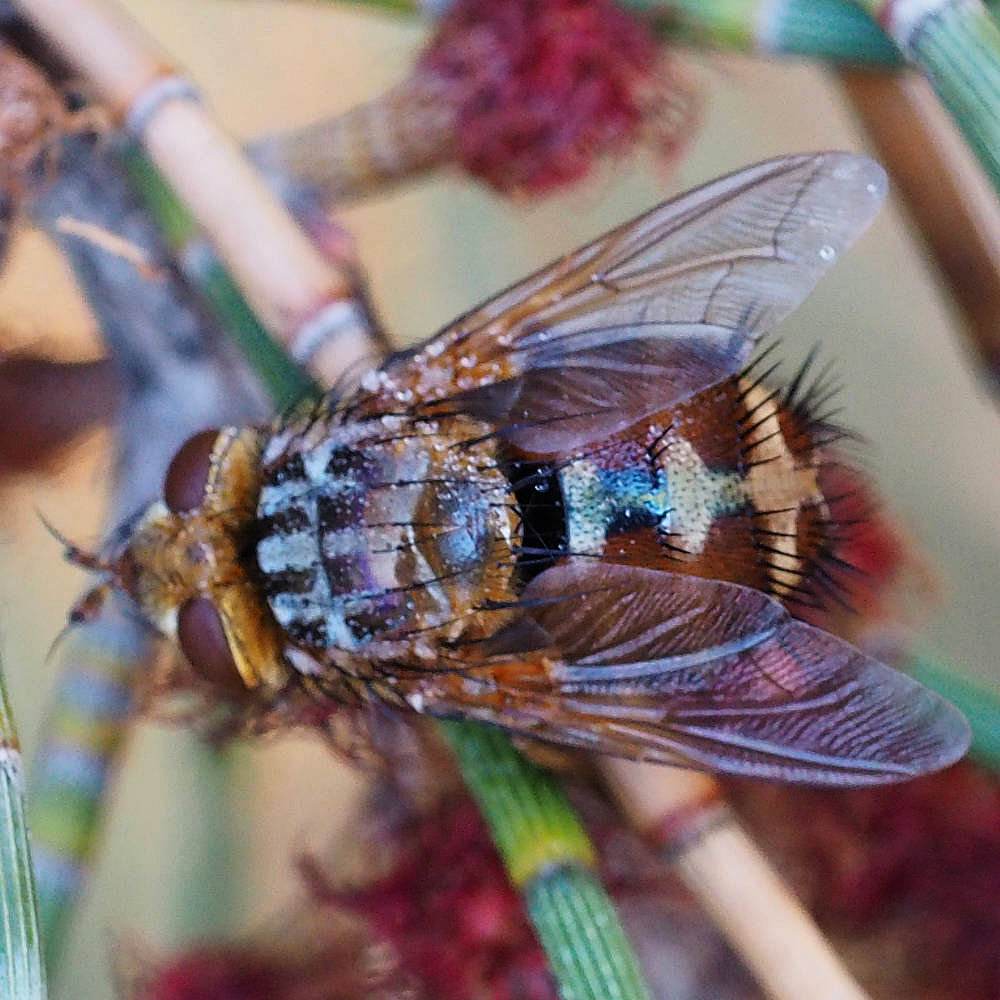
​Brachonid wasps and Tachinid flies are parasitoid flea beetle predators. Adults lay eggs on flea beetle larvae that hatch to produce a grub-like larva that burrows, consumes the insides and pupates there to start the cycle again. I am surprised that I have seen so few beetles and will have to monitor marshmallows next winter.
Picture
Flea beetle larva
Picture
Brachonid wasp
Picture
Tachinid fly
0 Comments

Leaf Hoppers and Ant Nests

21/8/2020

0 Comments

 
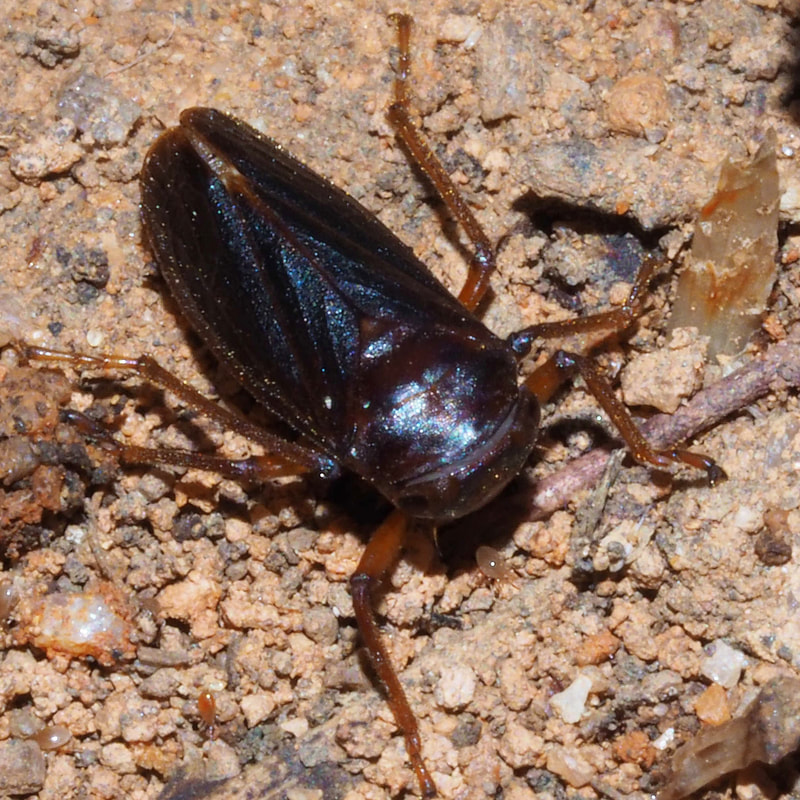
PicturePogonoscopus species leafhopper
Greetings fellow Foxies,
 
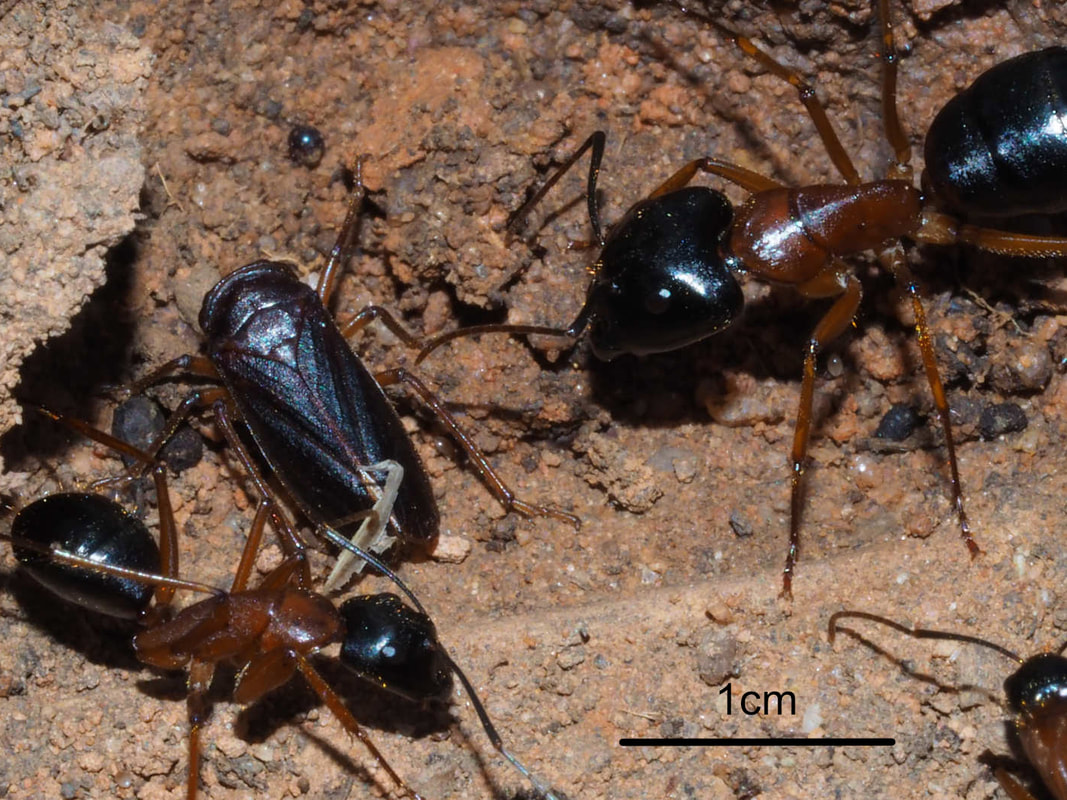
Serendipity is a wonderful thing. Recently I found an ant nest under a discarded cardboard box with brown leafhoppers that live with the ants. The leafhoppers ran back into the tunnels while the ants swarmed out.
According to the attached research paper, nocturnal Pogonoscopus species leafhoppers have an inquilistic relationship (word of the month = they benefit from) with Carpenter (Myrmex species) ants.
During the day, the leafhoppers shelter in the ant nest near eucalypts. At night they emerge and climb up the eucalypts to feed on sap. The ants attend them to get a feed from the the leafhopper’s rear.
Unlike other leafhoppers this species has long rear legs to enable them to climb up trees quickly, so it does not hop. They could also have little or no vision, although the ones I saw very quickly moved away.
from light
​The ant/leafhopper relationship is species specific and these leafhoppers would be attacked if they entered the wrong nest.

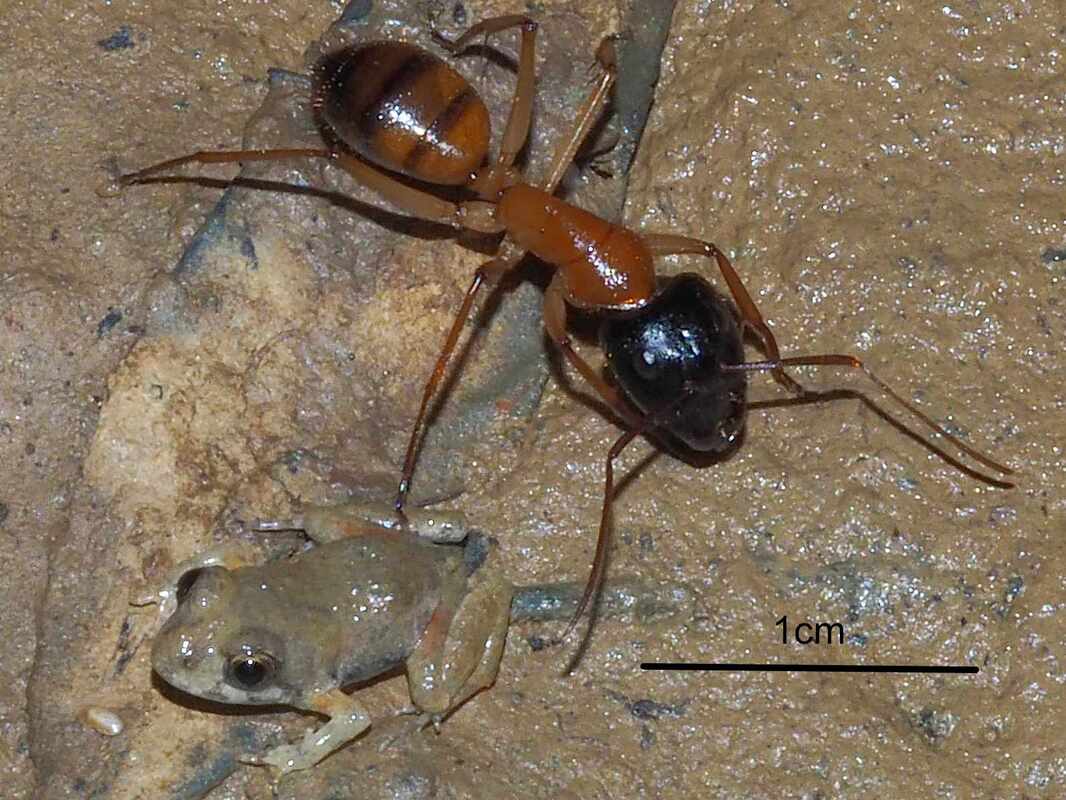
​Carpenter ants are active at night, as I noticed when photographing frogs at the claypit one night last spring.

Picture
Worker (left) and soldier carpenter ant tending the leafhopper
Picture
Myrmex species worker checking out a Quacking Frog

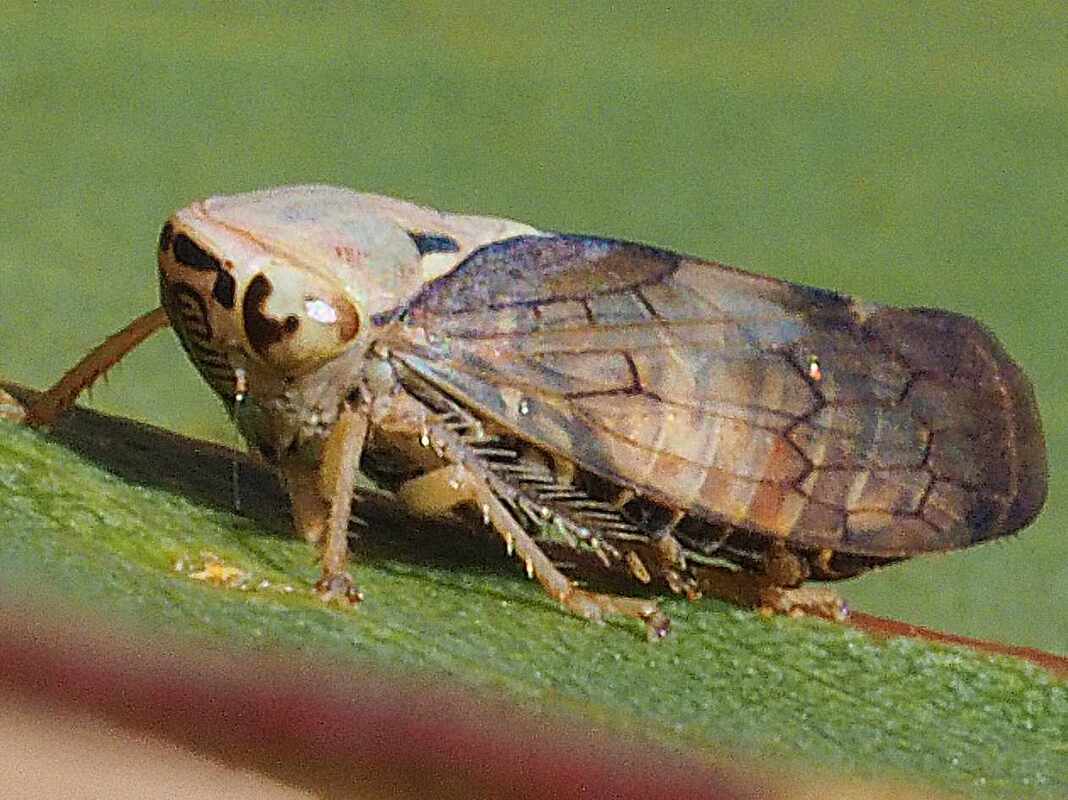
A  day active leafhopper below  has more typical large eyes and more vertical wings
Picture
Picture
Reference
leafhoppers_ants.pdf
File Size: 1059 kb
File Type: pdf
Download File

0 Comments
<<Previous
Forward>>

    Author

    Doug Sawkins is a friend of Foxes Lair 

    Categories

    All
    Animals Other
    Birds
    Disorders Plant Animal
    Fungi Lichens
    History
    Insects Bugs Other Arthropods
    Landscapes Soils
    Other Reserves And Places
    Reptiles
    Spiders Other Arachnids
    Tree
    Walks Other Facilities
    Wasp
    Wildflowers Orchids
    Wildflowers Other Summer Autumn
    Wildflowers Other Winter Spring
    Wildflowers Parasitic

    Archives

    February 2026
    December 2025
    November 2025
    October 2025
    September 2025
    June 2025
    May 2025
    April 2025
    February 2025
    January 2025
    December 2024
    November 2024
    May 2024
    April 2024
    December 2023
    November 2023
    September 2023
    August 2023
    July 2023
    June 2023
    May 2023
    April 2023
    March 2023
    February 2023
    January 2023
    December 2022
    October 2022
    July 2022
    June 2022
    May 2022
    April 2022
    March 2022
    January 2022
    November 2021
    October 2021
    September 2021
    August 2021
    July 2021
    June 2021
    May 2021
    April 2021
    March 2021
    February 2021
    January 2021
    December 2020
    November 2020
    October 2020
    September 2020
    August 2020
    July 2020
    June 2020
    May 2020
    April 2020
    March 2020
    February 2020
    January 2020
    November 2019
    October 2019
    July 2019
    April 2019
    March 2019
    February 2019
    January 2019
    December 2018
    November 2018
    September 2018
    July 2018
    May 2018
    April 2018
    March 2018
    February 2018
    January 2018
    December 2017
    November 2017
    October 2017
    September 2017
    July 2017
    May 2017
    April 2017
    February 2017
    January 2017
    December 2016
    November 2016
    October 2016
    September 2016
    August 2016
    July 2016
    June 2016
    May 2016
    April 2016
    March 2016
    February 2016
    January 2016
    December 2015
    November 2015
    October 2015
    September 2015
    August 2015
    July 2015
    May 2015
    April 2015
    March 2015
    February 2015
    January 2015
    September 2014
    August 2014
    April 2014
    March 2014
    February 2014
    May 2012
    March 2012
    October 2011
    September 2011
    August 2011
    April 2011

© 2015 All Rights Reserved. Doug Sawkins, Australia.