Foxes Lair
  • Home
  • About
    • About Foxes Lair
    • History
    • Landscape and Soils
  • Things To Do
    • Picnic Spots
    • Walk Trails
    • Visit the Arboretum
    • Ride Your Bicycle
    • Scavenger hunt
    • Geocaching and Orienteering
  • Things To See
    • Wildflowers
    • Trees in the Narrogin district
    • Birds
    • Vertebrates
    • Narrogin spiders scorpions ticks
    • Fungi and lichens
  • Foxes Lair seasonal guide
    • December to March
    • April - May
    • June-July
    • August
    • September
    • October
    • November
  • Other great reserves
    • Railway Dam
    • Yilliminning Rock
    • Old Mill Dam
    • Yornaning Dam
    • Contine Hill
    • Highbury Reserve
    • Boyagin Rock
    • Barna Mia
    • Toolibin Lake
    • Newman Block
    • Harrismith Nature Reserve
    • Candy Block
    • Tutanning Nature Reserve
  • 1Foxypress
    • Foxypress
    • Vanishing Farms
  • Contact

Narrogin Rhamnaceae Wildflowers

8/7/2020

0 Comments

 
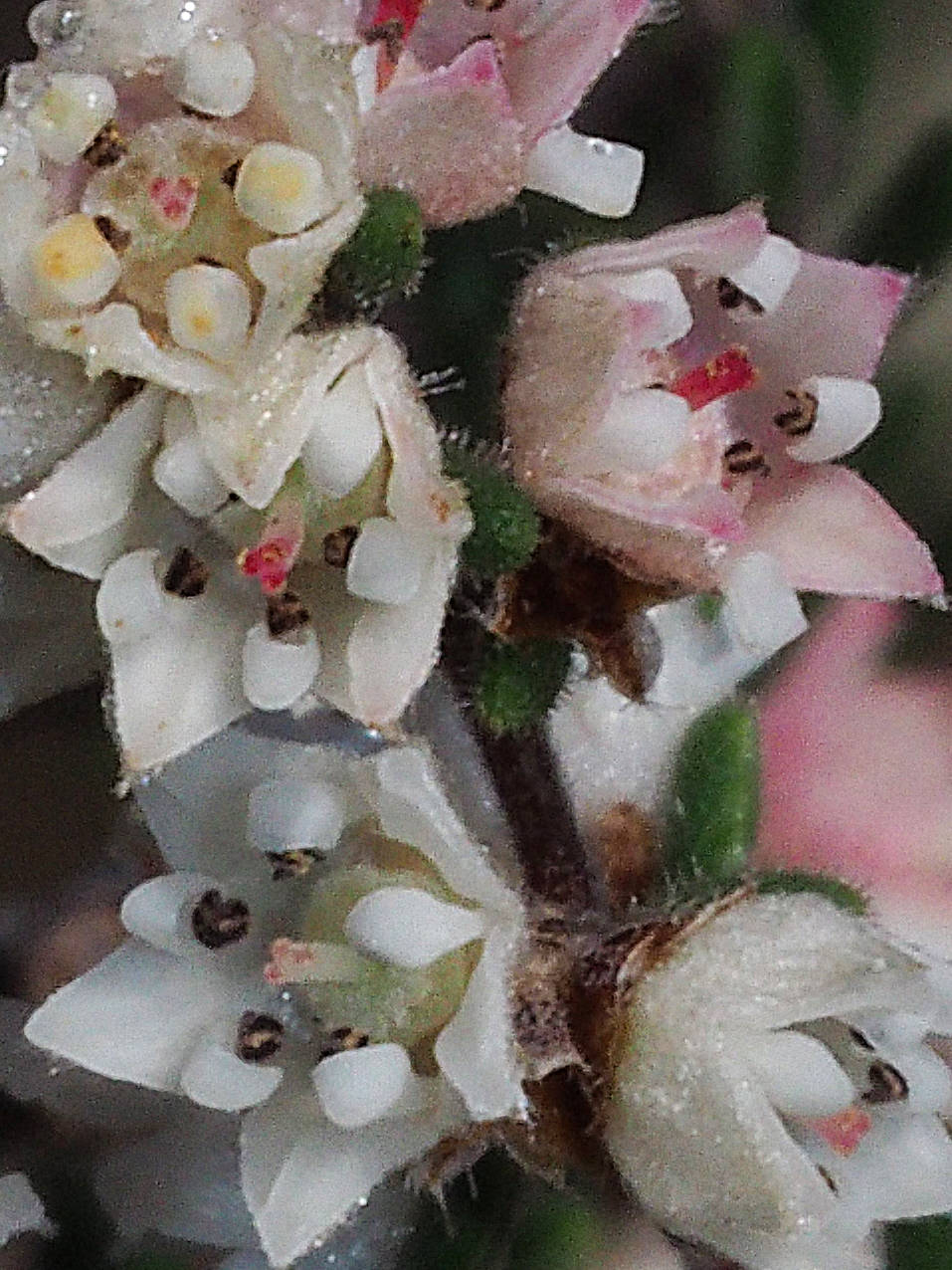
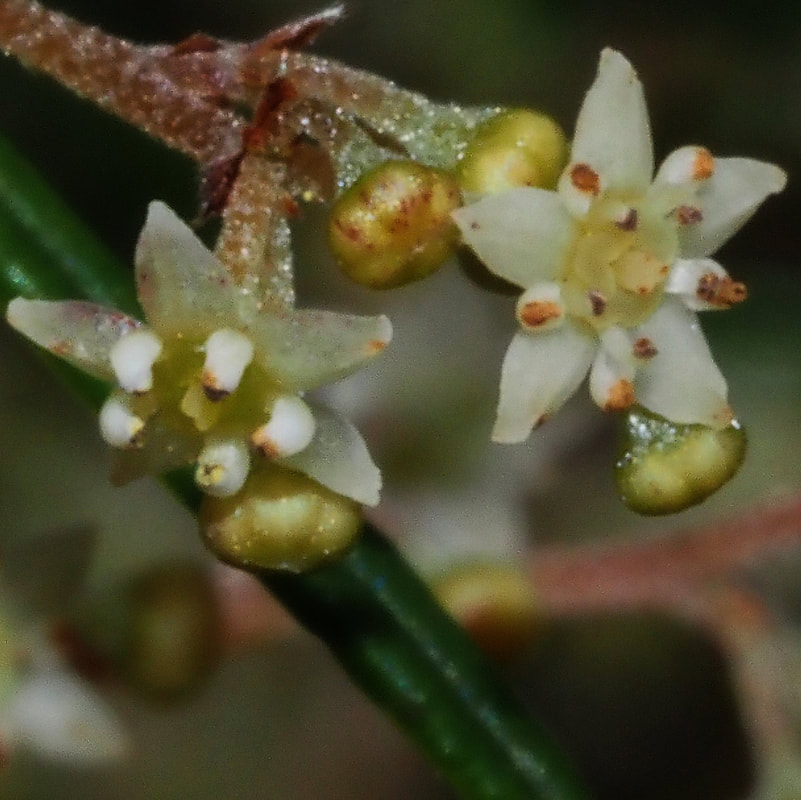
July is the time that species of the Rhamnaceae (Buckthorn) family first flower in Foxes Lair. Like many of the June-July flowering wildflowers here, the flowers are tiny (about 3mm) and insignificant if you don’t have a lens or macro camera to see their delicate form.
In this district Rhamnaceae plants are mostly small shrubs found on upland gravelly or sandy soils with white flowers that have hoods covering anthers attached to the petals the The flowers are open for pollination by a number of insects, including flies. Perhaps the anther hoods provide protection from ants and beetles. 
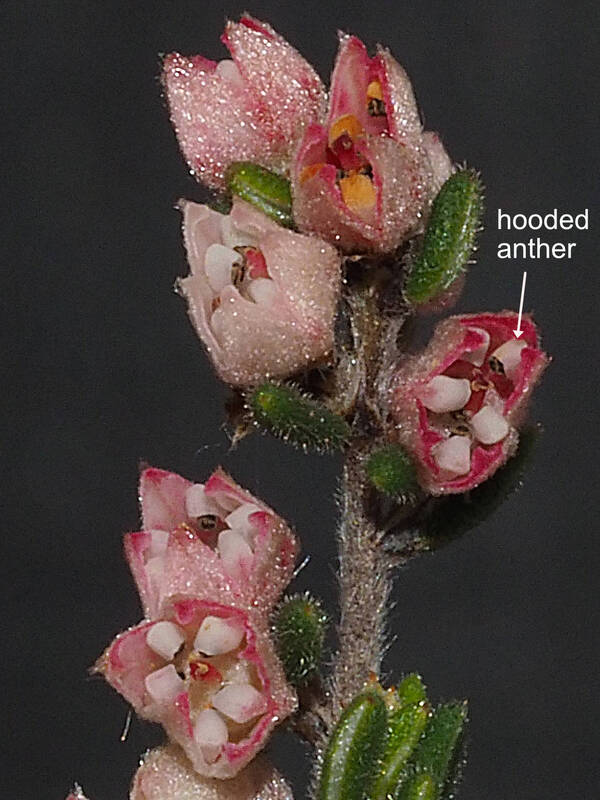
They can  look very similar, but I I use rules of thumb to distinguish between local genera
Genus Cryptandra
Cryptandras are small shrubs with sessile flowers that have a small tube before it splits into sepals.
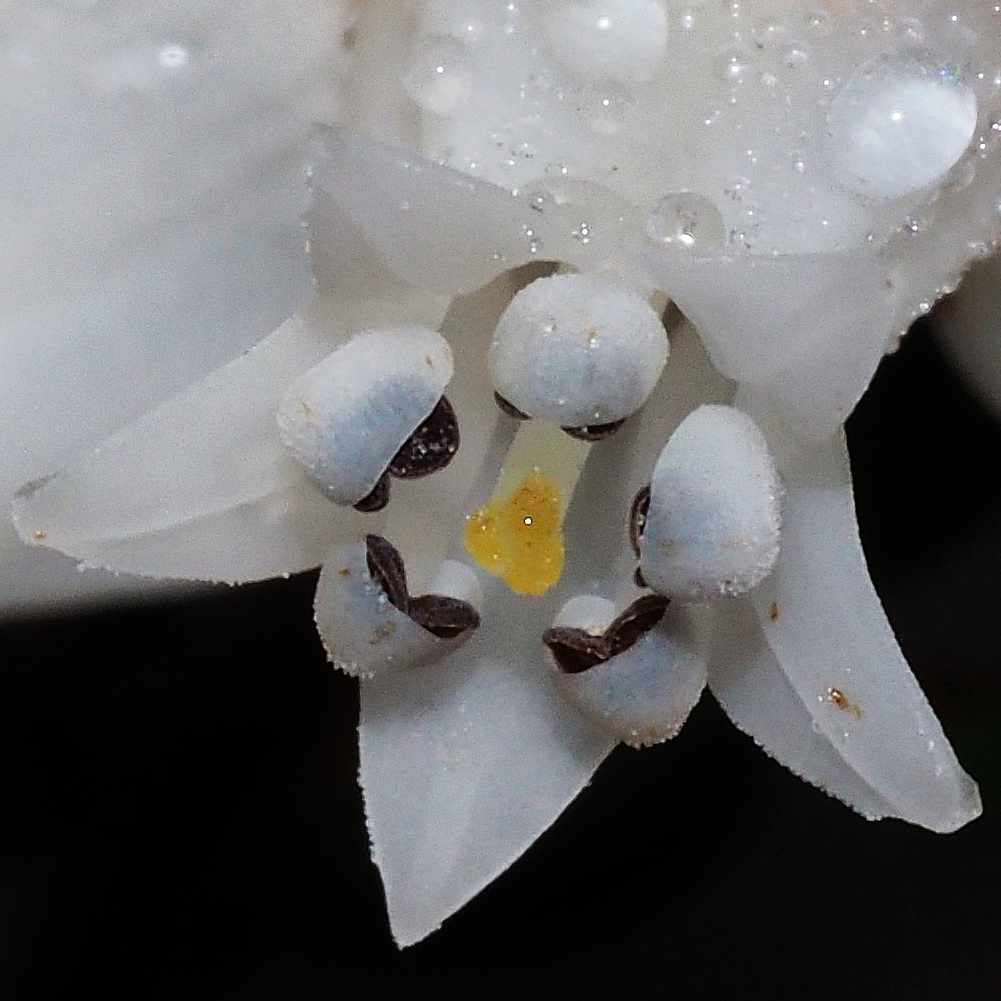
The name Cryptandra (Latin – hiding man) refers to the anthers that are cloaked by a hood on the petals, that are joined into a short to medium length tube. flowers are attached singly to the flowering stem directly or by a short pedicel.
All Cryptandras have leaves wih rolled-down edges in contrast to the other species, which have conjoined petals (folded lengthways into two sides with a midrib
Cryptandra nutans  is a little shrub about 30cm high on the gravelly Banksia Trail in Foxes Lair.
Picture
Cryptandra nutans pink flower form
Picture
​
Picture
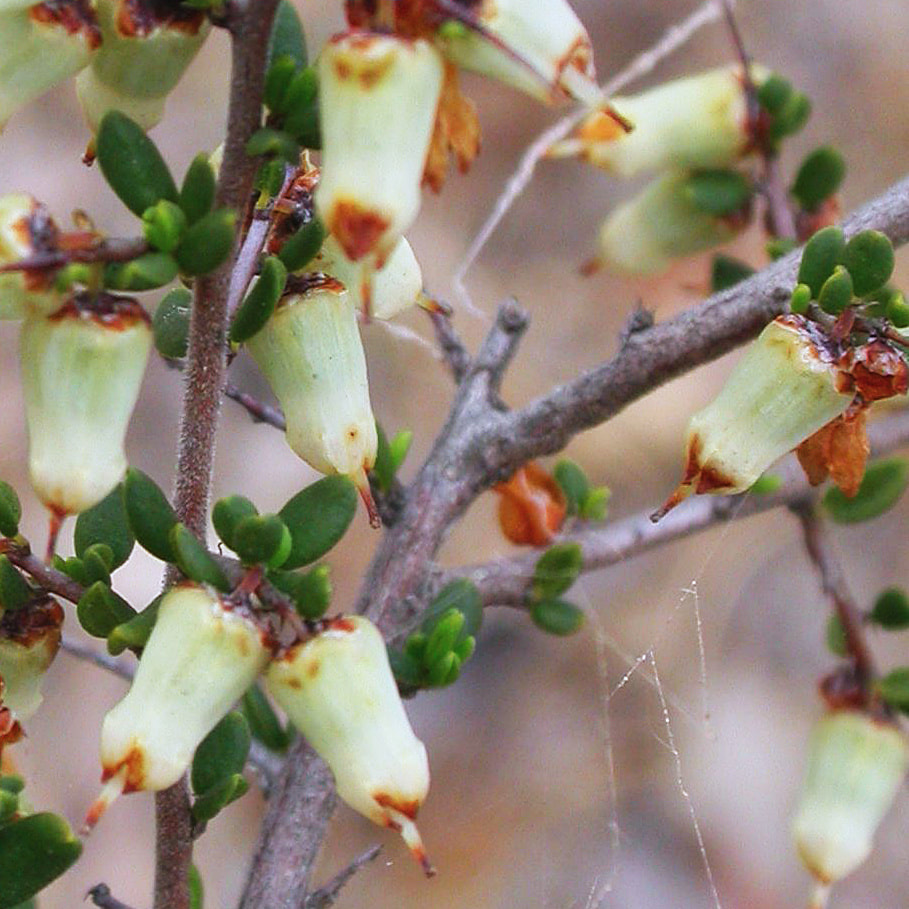
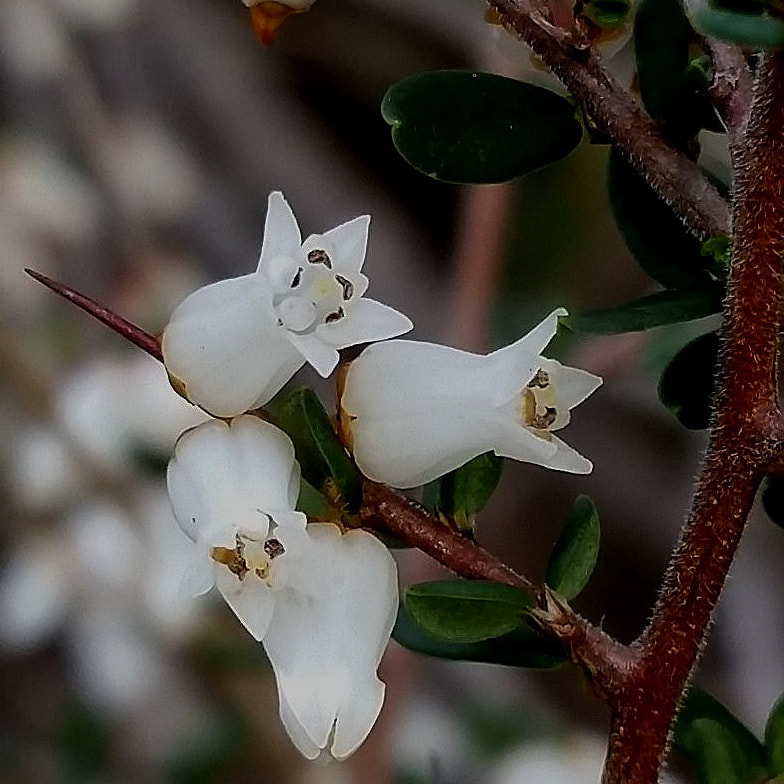
Cryptandra arbutifolia distinct floral tube and short petiole
​Waxy Cryptandra ​Cryptandra arbutifolia is uncommon on granitic sandy soils in Foxes Lair. It flowers in September-October when it is dwarfed by the mass of other wildflowers at this time.
It is spiny with tiny exquisite tubular flowers, particularly when viewed with the sun behind them.
Picture
Characteristic spines
Picture
After flowering note downfolded leaves
Picture
Hooded anthers
Genus Trymalium
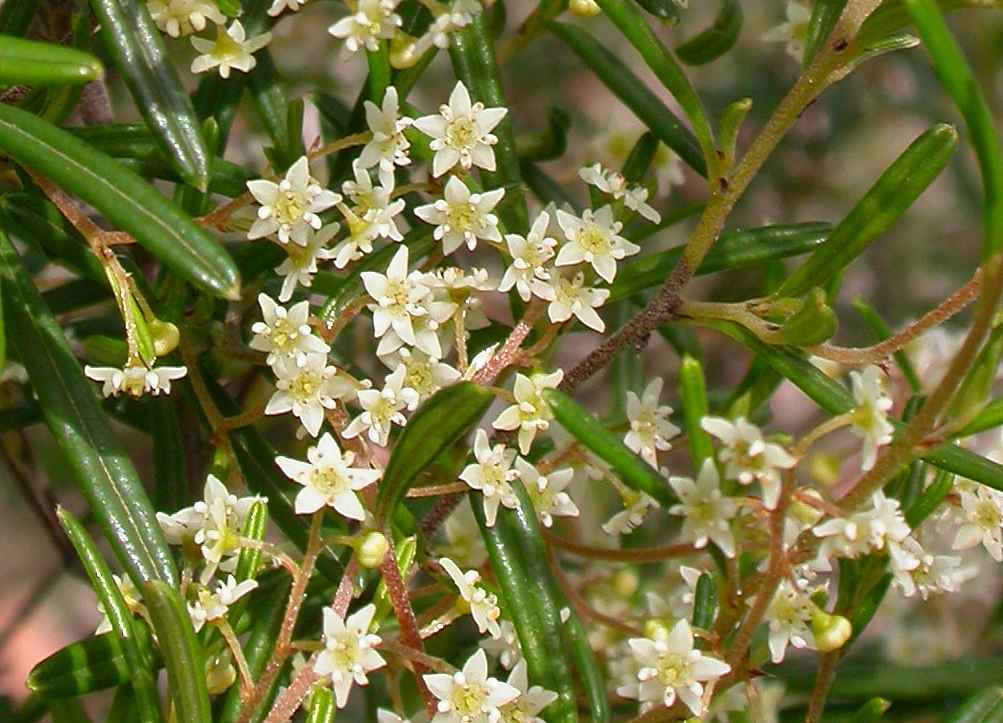
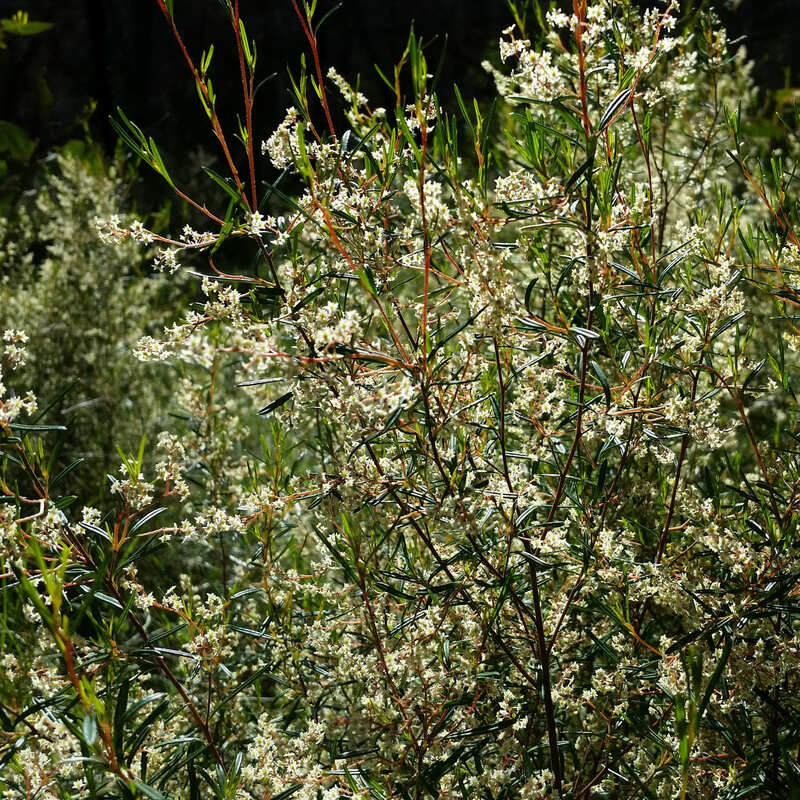
Trymalium comes from Greek for "the eye of a needle", which refers to the three slits at the summit of the fruit when it opens. Trymalium are generally larger bushes with conjoined leaves and sprays of flowers that are split to the base.
Trymalium ledifolium occurs as a number of varieties in the district.  Variety ledifolium is a medium sized shrub with soft green leaves that can form clusters on rocky red loams and granitic sandy soils near the claypit. Flowering starts in mid-July with sprays of minuscule pale-yellow flowers and dark green shiny foliage in August.
Picture
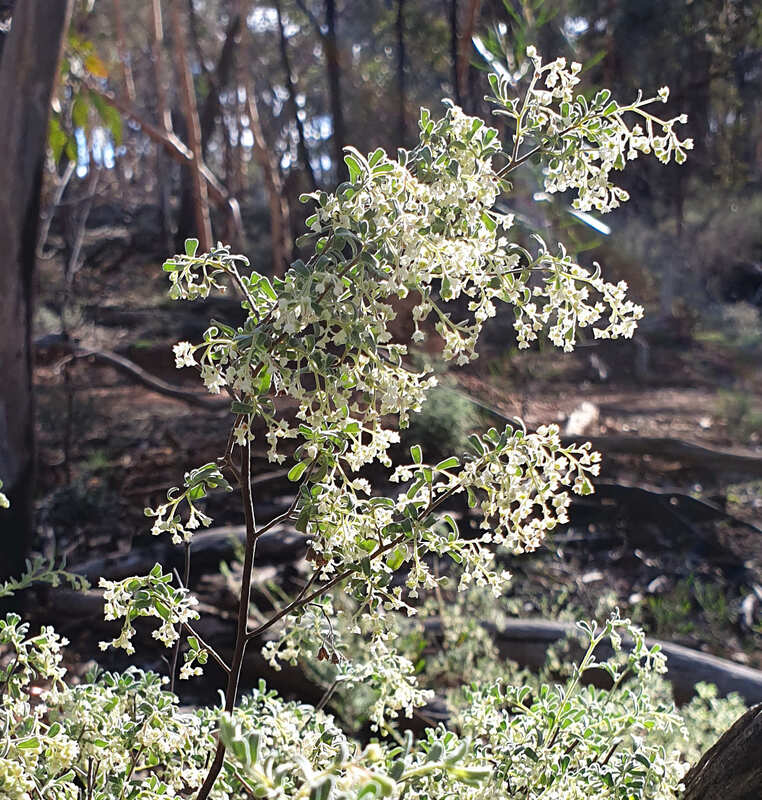
Variety rosemarinifolium is more common on mafic gravel spots. It can be distinguished by its generally paler colour and felt-surfaced growth and flowers.
Picture
Var rosemarinifolium has paler leaves
Picture
Picture
hairy leaves and flowers
I recently found a few plants of rare Trymalium monospermum at Boundain Nature Reserve. It is a small compact shrub with hairless leaves flowers and a single on each flowering stem.
PictureStenanthemum tridentatum
​Genus Stenanthemum
​

​The name means 'narrow flower'
Conjoined leaves are arranged alternately along the branches, usually folded in half lengthwise on a short petiole. Tubular flowers are arranged singly or in dense heads, usually on the ends of branches with bracts at the base of the flowers.
Stenanthemum leaves have very hairy undersides, which help them to be very drought tolerant. I found Stenanthemum tridentatum at Rich Road Reserve.

Picture
Trymalium monospermum
Picture
Hairless foliage and flowers
Picture
Genus Polyanthion
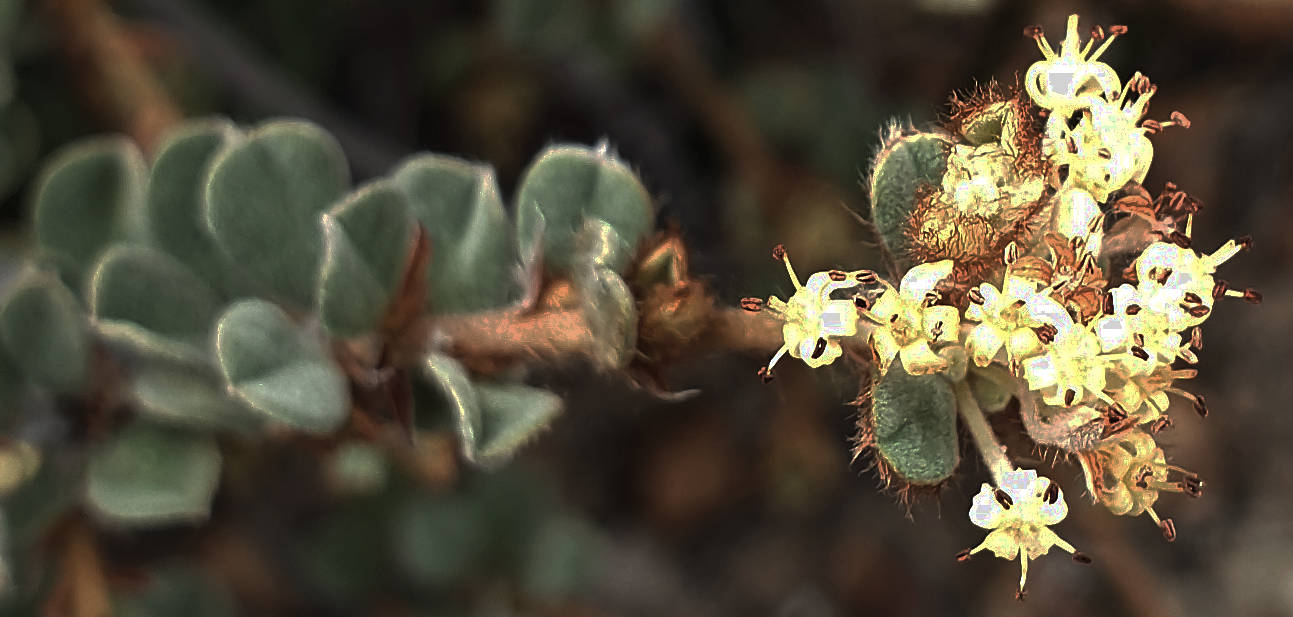
There is only one species in the district at Tutanning Nature Reserve: Priority 4 Tutanning Pomaderris Polianthion biloculare  , which is a low shrub found on sandy gravel. Terminal heads of flowers that lack anther hoods.
Picture

Picture
 Genus Spyridium

​I discovered autumn flowering Spyridium microcephalum near Nomans Lake Hall. The genus name (Spyridium) means "a small basket" because their flowers are clustered inside cup-like bracts. The feathery parts shown are aerial seeds.
The image also shows feathery seeds, which leave the cup of star shaped bracts behind.

0 Comments

Your comment will be posted after it is approved.


Leave a Reply.

    Author

    Doug Sawkins is a friend of Foxes Lair 

    Categories

    All
    Animals Other
    Birds
    Disorders Plant Animal
    Fungi Lichens
    History
    Insects Bugs Other Arthropods
    Landscapes Soils
    Other Reserves And Places
    Reptiles
    Spiders Other Arachnids
    Tree
    Walks Other Facilities
    Wasp
    Wildflowers Orchids
    Wildflowers Other Summer Autumn
    Wildflowers Other Winter Spring
    Wildflowers Parasitic

    Archives

    September 2025
    June 2025
    May 2025
    April 2025
    February 2025
    January 2025
    December 2024
    November 2024
    May 2024
    April 2024
    December 2023
    November 2023
    September 2023
    August 2023
    July 2023
    June 2023
    May 2023
    April 2023
    March 2023
    February 2023
    January 2023
    December 2022
    October 2022
    July 2022
    June 2022
    May 2022
    April 2022
    March 2022
    January 2022
    November 2021
    October 2021
    September 2021
    August 2021
    July 2021
    June 2021
    May 2021
    April 2021
    March 2021
    February 2021
    January 2021
    December 2020
    November 2020
    October 2020
    September 2020
    August 2020
    July 2020
    June 2020
    May 2020
    April 2020
    March 2020
    February 2020
    January 2020
    November 2019
    October 2019
    July 2019
    April 2019
    March 2019
    February 2019
    January 2019
    December 2018
    November 2018
    September 2018
    July 2018
    May 2018
    April 2018
    March 2018
    February 2018
    January 2018
    December 2017
    November 2017
    October 2017
    September 2017
    July 2017
    May 2017
    April 2017
    February 2017
    January 2017
    December 2016
    November 2016
    October 2016
    September 2016
    August 2016
    July 2016
    June 2016
    May 2016
    April 2016
    March 2016
    February 2016
    January 2016
    December 2015
    November 2015
    October 2015
    September 2015
    August 2015
    July 2015
    May 2015
    April 2015
    March 2015
    February 2015
    January 2015
    September 2014
    August 2014
    April 2014
    March 2014
    February 2014
    May 2012
    March 2012
    October 2011
    September 2011
    August 2011
    April 2011

© 2015 All Rights Reserved. Doug Sawkins, Australia.