Foxes Lair
  • Home
  • About
    • About Foxes Lair
    • History
    • Landscape and Soils
  • Things To Do
    • Picnic Spots
    • Walk Trails
    • Visit the Arboretum
    • Ride Your Bicycle
    • Scavenger hunt
    • Geocaching and Orienteering
  • Things To See
    • Wildflowers
    • Trees in the Narrogin district
    • Birds
    • Vertebrates
    • Narrogin spiders scorpions ticks
    • Fungi and lichens
  • Foxes Lair seasonal guide
    • December to March
    • April - May
    • June-July
    • August
    • September
    • October
    • November
  • Other great reserves
    • Railway Dam
    • Yilliminning Rock
    • Old Mill Dam
    • Yornaning Dam
    • Contine Hill
    • Highbury Reserve
    • Boyagin Rock
    • Barna Mia
    • Toolibin Lake
    • Newman Block
    • Harrismith Nature Reserve
    • Candy Block
    • Tutanning Nature Reserve
  • 1Foxypress
    • Foxypress
    • Vanishing Farms
  • Contact

BOLETE FUNGI

10/6/2020

0 Comments

 
Greetings fellow Foxies,
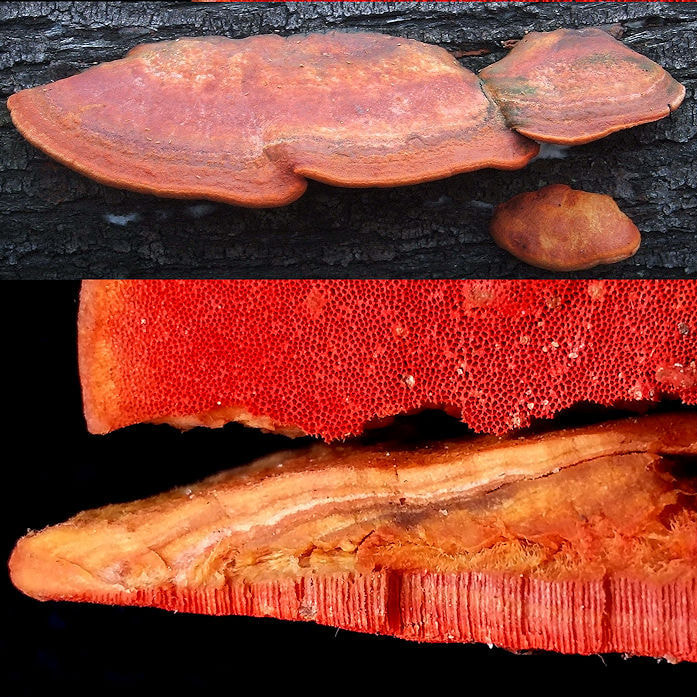
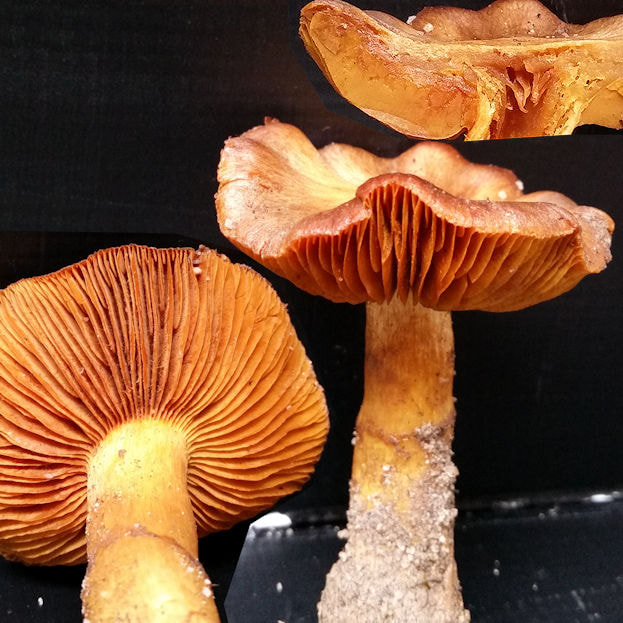
​Boletes are fleshy fungi with a central stalk like agarics (mushrooms toadstools) but the underside has pores instead of gills. Polypores have pores like boletes but are generally tough or leathery fungi that usually arise from wood.
Picture
An agaric. Cortinarius species
Picture
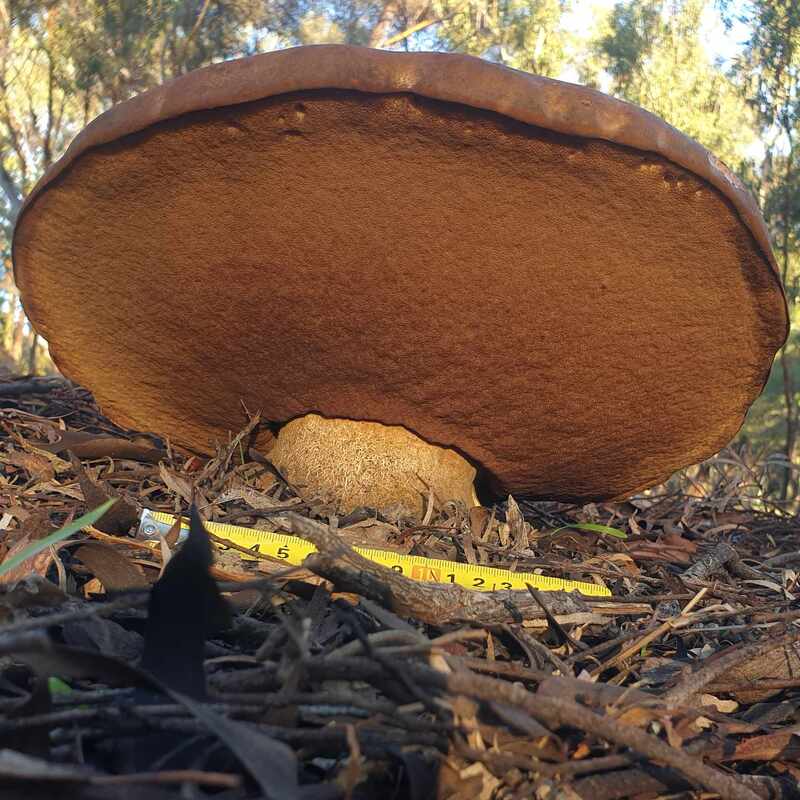
Salmon gum bolete
Picture
A polypore: Pycnoporus coccinea (Scarlet Bracket Fungus)
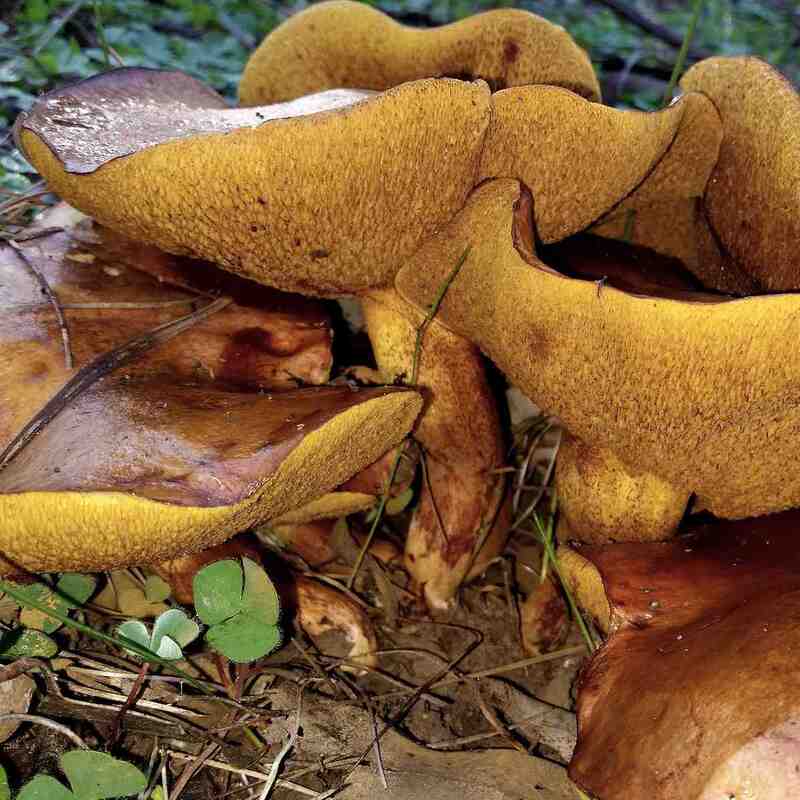
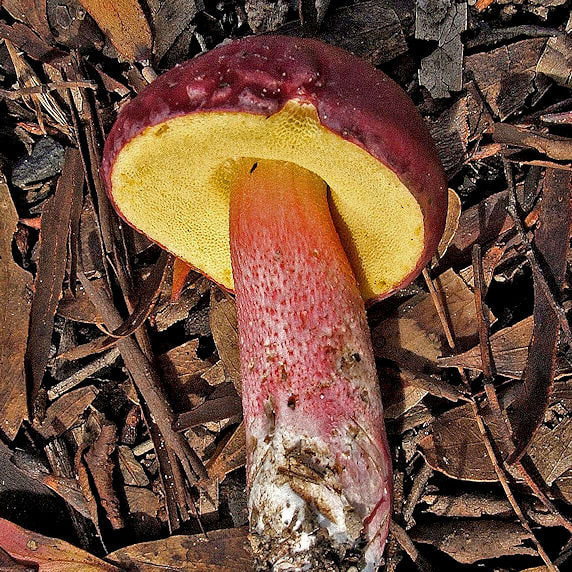
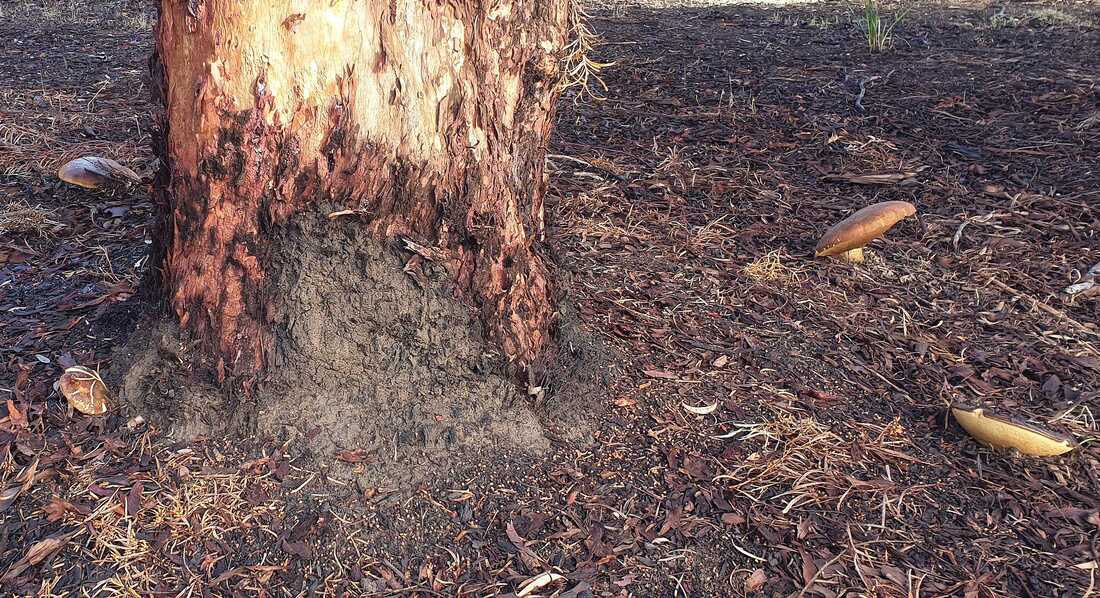
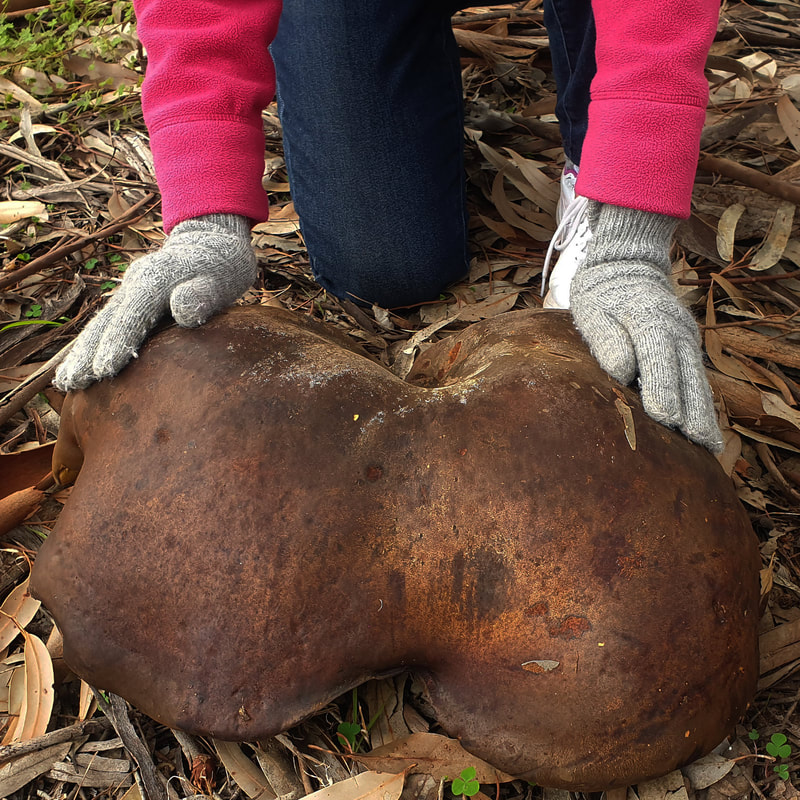
In early winter the giant salmon gum bolete Phlebopus marginatus pops up amongst trees down from the picnic area at the arboretum. The similar but slightly smaller Slippery Jack bolete Suillus luteus occurs next to it. This is an import that forms  mycorrhizae on the adjoining pine trees. It is apparently a delicacy in Italy, but must be peeled and cooked ( looks ghastly as a food item to me). Only once I found the beautiful Rhubarb Bolete Boletellus obscurecoccineus near the claypit.
Picture
Salmon gum bolete Australia's largest 'mushroom'
Picture
Slippery Jack
Picture
Rhubarb Bolete
PictureSalmon gum bolete goblin ring


​in good years rings of salmon gum bolete form around trees that they are associated with in the arboretum. I call them goblin rings because they are too big for fairies


​
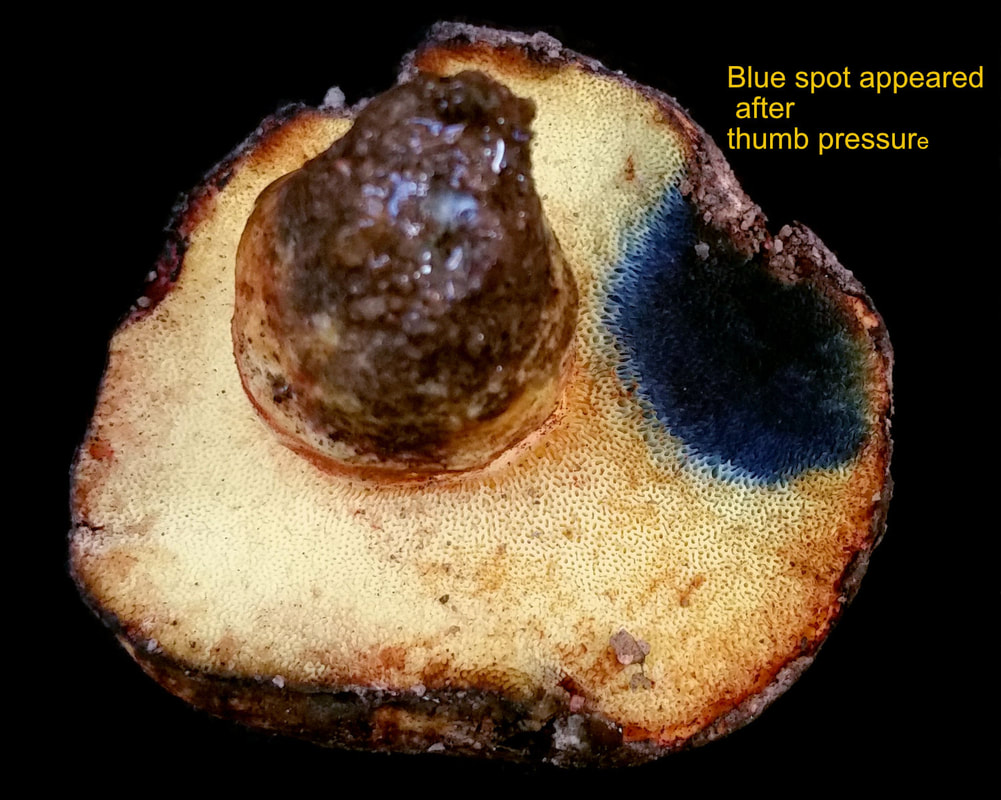
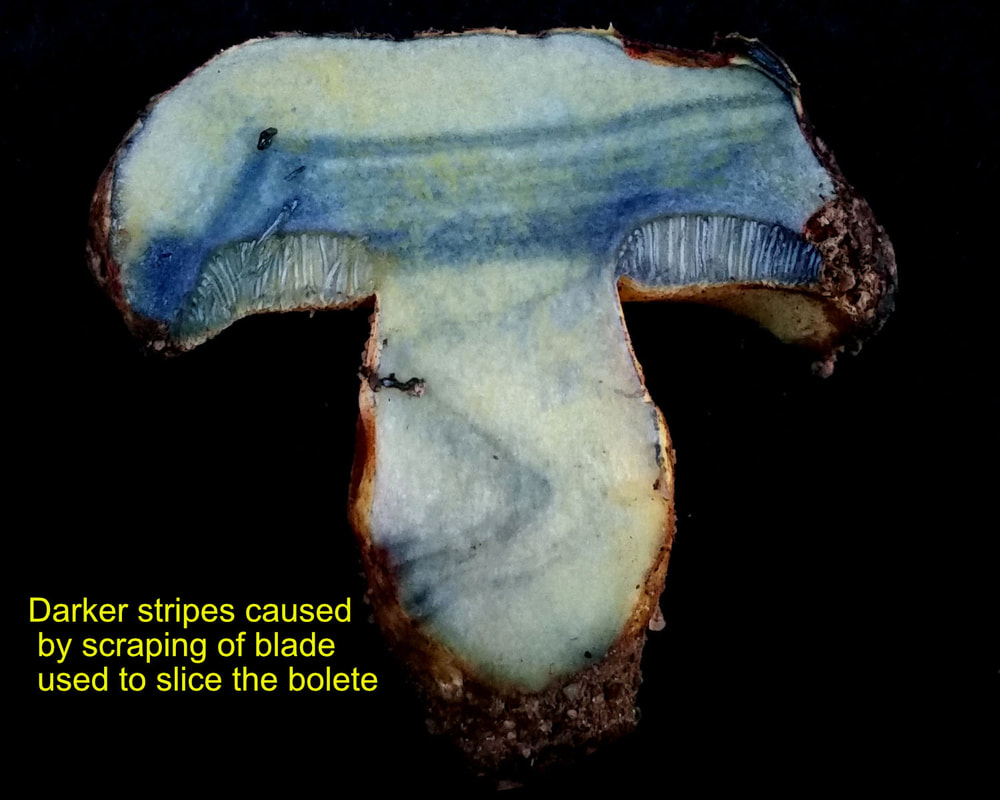
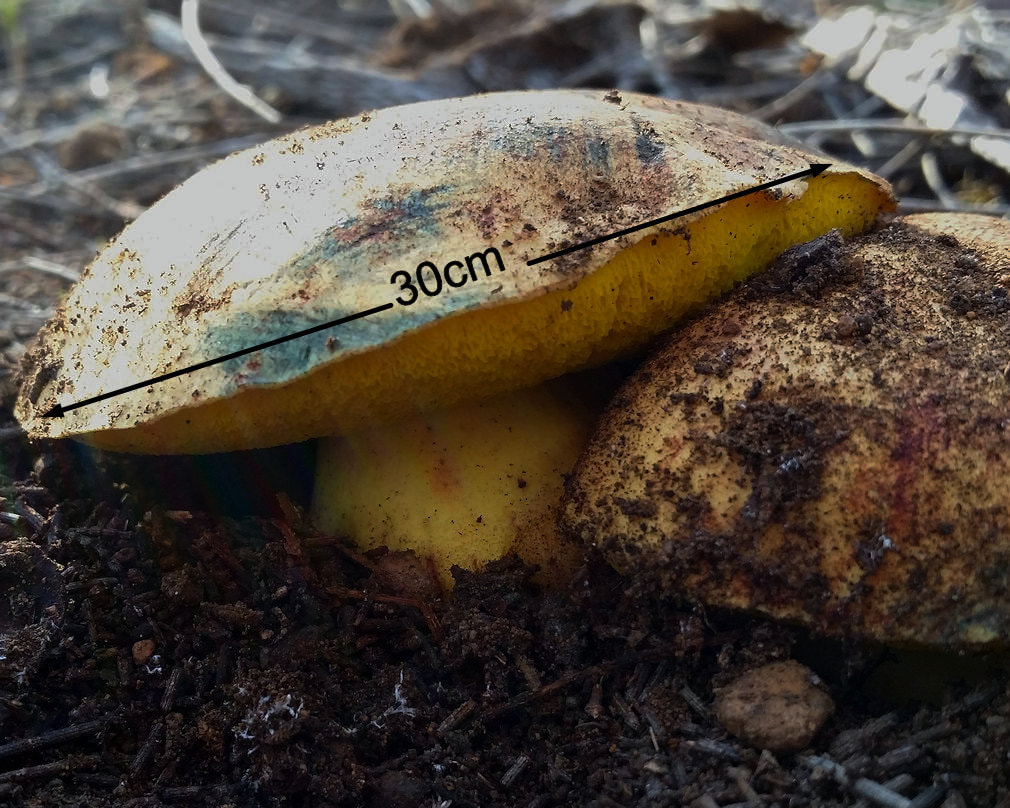
There are still lots of boletes that remain unnamed, and many boletes change colour ('stain') when bruised or cut.The one below is a blue stainer. Yellow pores and white flesh turn blue when cut or bruised.
​First nations people used to eat these fungi.
Picture
Blue Stainer bolete intact
Picture
Underside
Picture
Cut section has stained blue
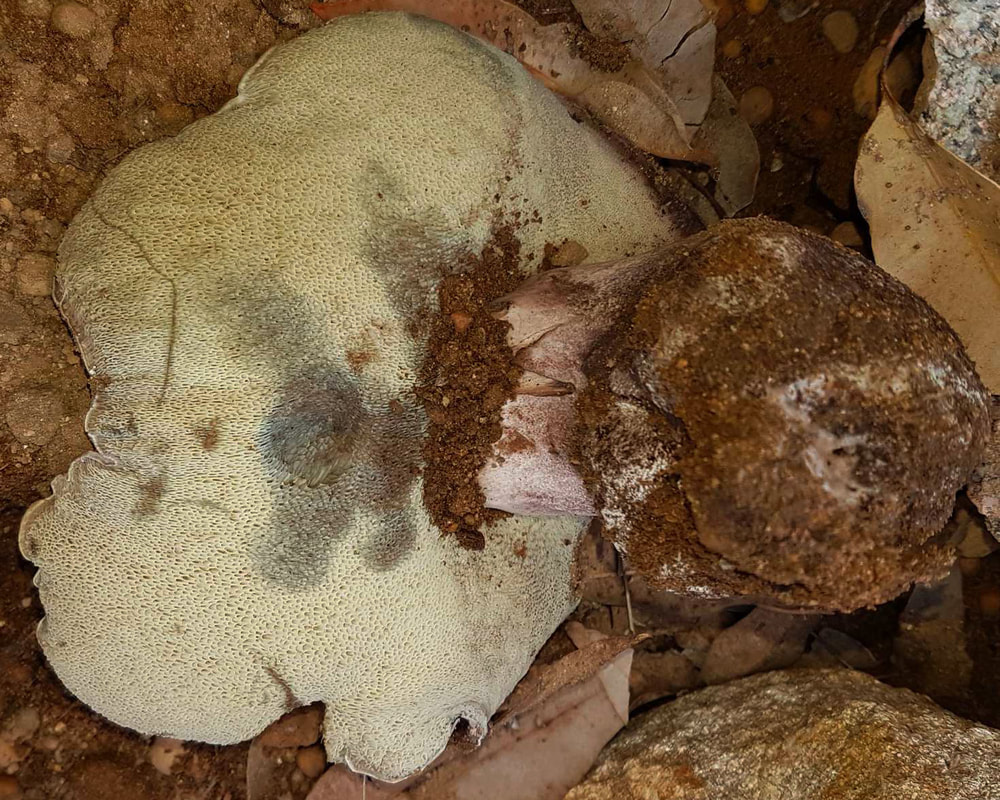
This june the large one below popped up and covered a mallee seedling I was watering at the Marri picnic area. The stem turned reddish brown and the pores rapidly turned blue when cut. I have heard of red-blue stainers, perhaps it is one.
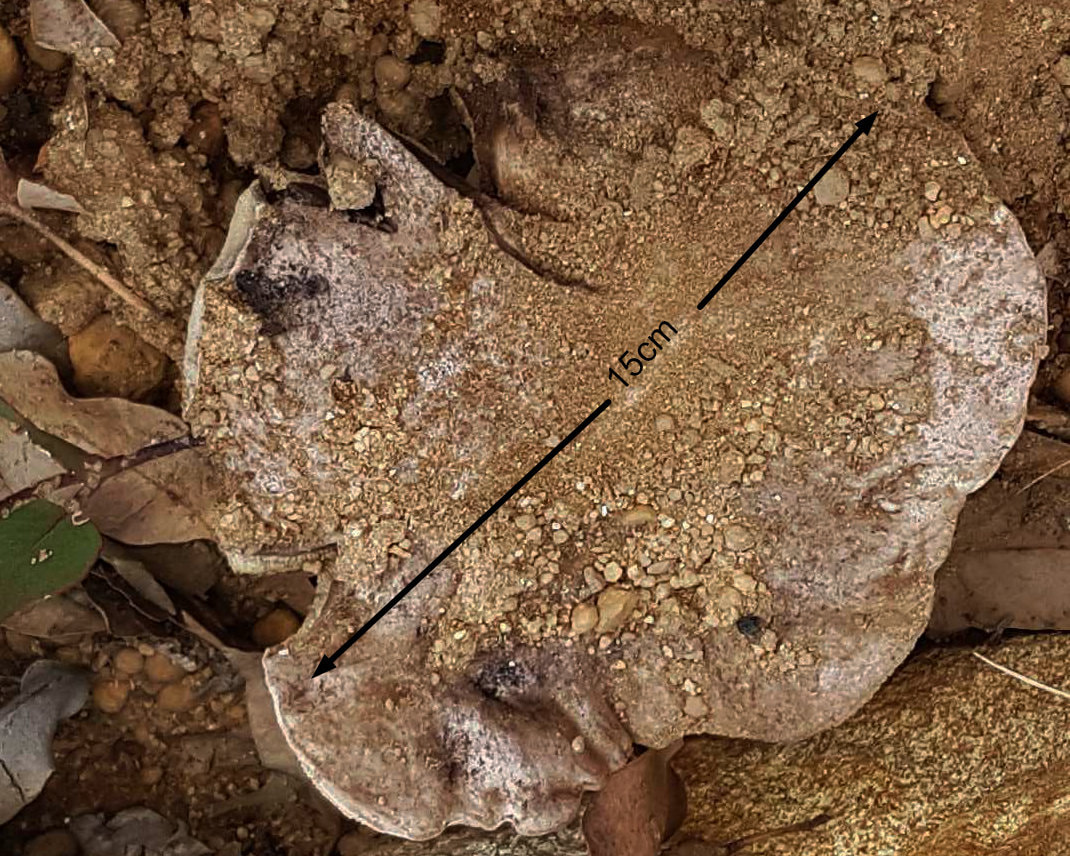
Picture
Top
Picture
Underside note blue stain on pores reddish stain on stem
Picture
Closeup of stained pore tissue
0 Comments

Springtail Pool Party

7/9/2018

0 Comments

 
Greetings fellow Foxies,
I never cease to be amazed by the things one can learn by observing nature and asking questions.
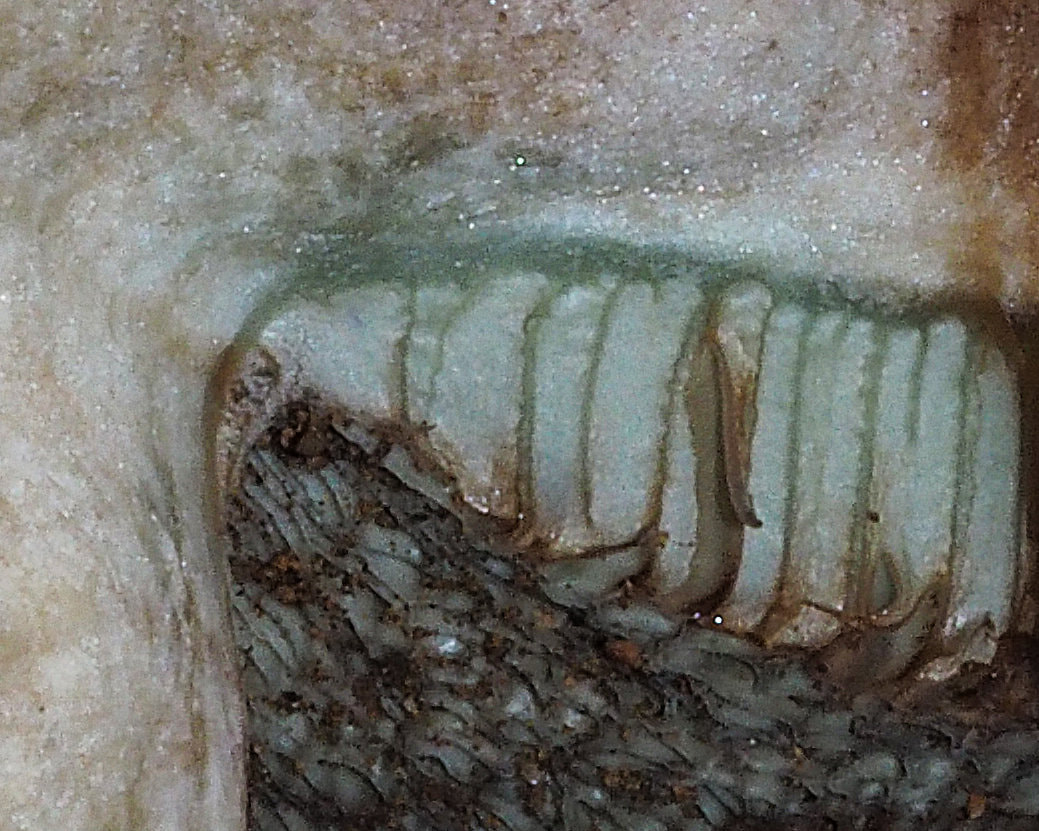
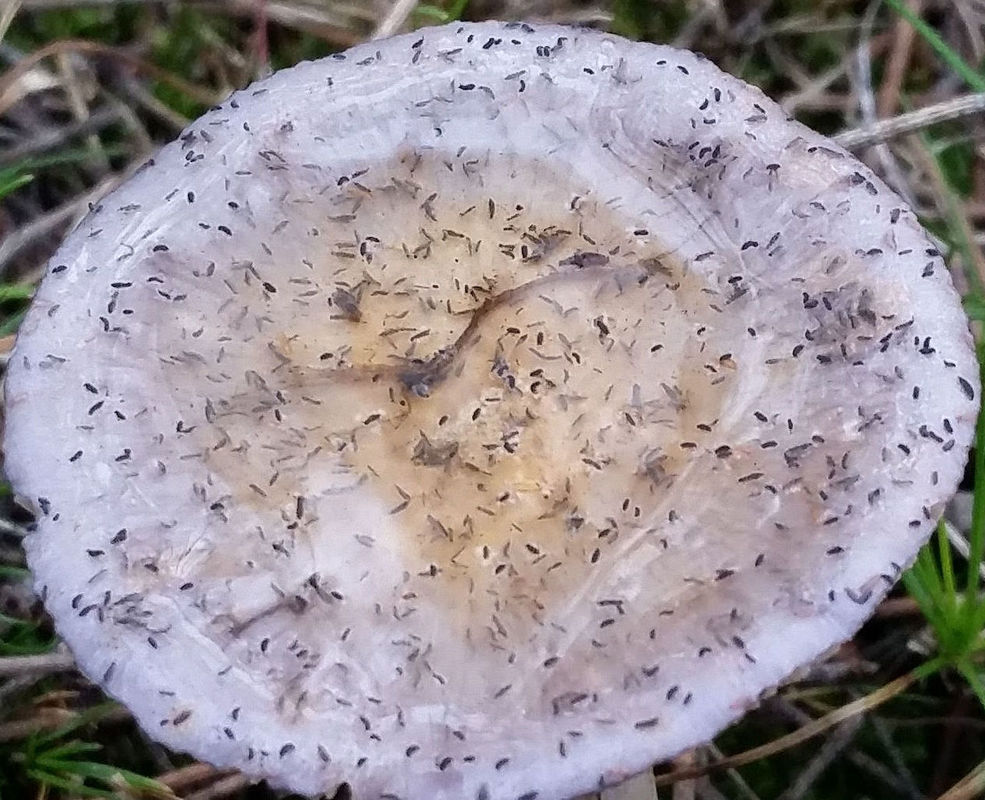
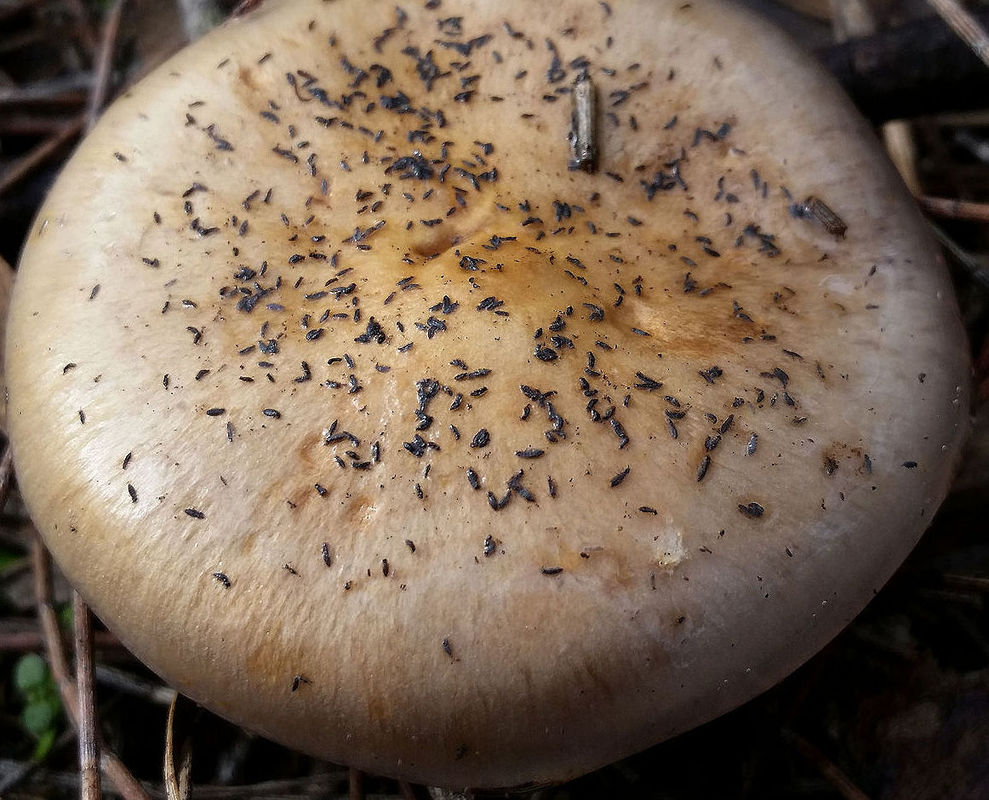
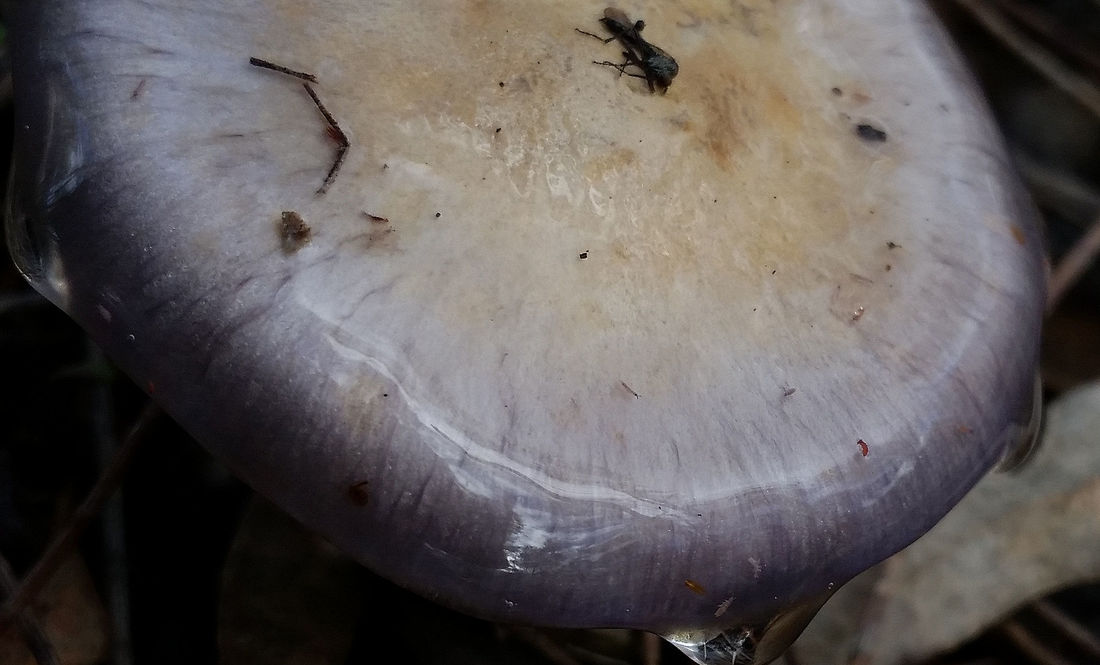
 I photographed tiny pools of water containing dead insects on a gilled fungus and asked about it on the Western Australian Fungi Facebook Page.
I learnt that they are 6 legged fungi-eating Springtails (not insects!) on Cortinarius rotundidisporus (Elegant Blue Webcap). The group includes lucerne fleas, but are everywhere – even as innocuous residents in the house. As to the drowned ones, just read the extract from the Facebook site below.
 "Temporary rain pools are a kind of trap for small surface-active springtails. Once they jump into such a pool they cannot easily escape from it. Due to the meniscus of the pool surface water at the edges, they will always slide back to the center of the pool. Eventually they will aggregate and form a kind of floating mass of crawling bodies from which some specimens will be able to escape by jumping away.
"If and when a sufficient number of individuals of the same species of Hypogastruridae gather together by accident on such a pool, another thing might happen. Adult females will release a sex pheromone to attract males. Also other females will be attracted by the pheromone signal. The more individuals gather together, the stronger the pheromone signal and more individuals will be attracted from a greater distance. This may eventually result in the spectacular mass aggregations typical for Hypogastruridae. 100,000s of individuals may aggregate as such. The purpose of these mass aggregations is to reproduce.
The pool party then becomes in fact a sex party! ;-)
 
OMG I posted springtail pornography!
Picture
Picture
Picture
Picture
0 Comments

Birds Nest Fungus

12/7/2018

0 Comments

 
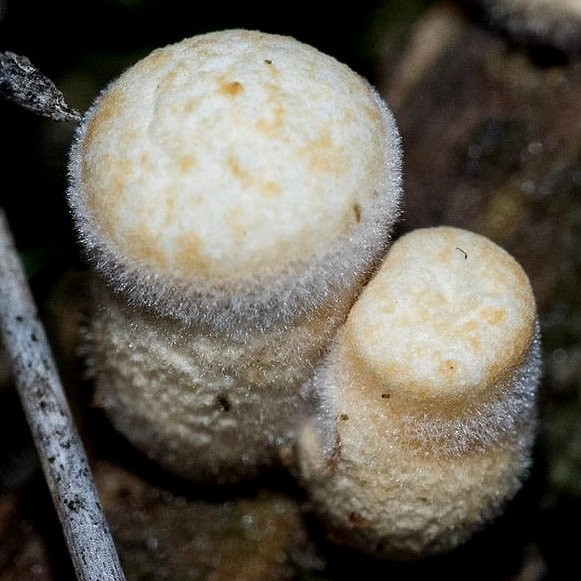
This fungus ((family Nidulariaceae (Nidulis -‘small nest)) feeds on decomposing organic matter has fruiting bodies that are tiny wonders of nature.
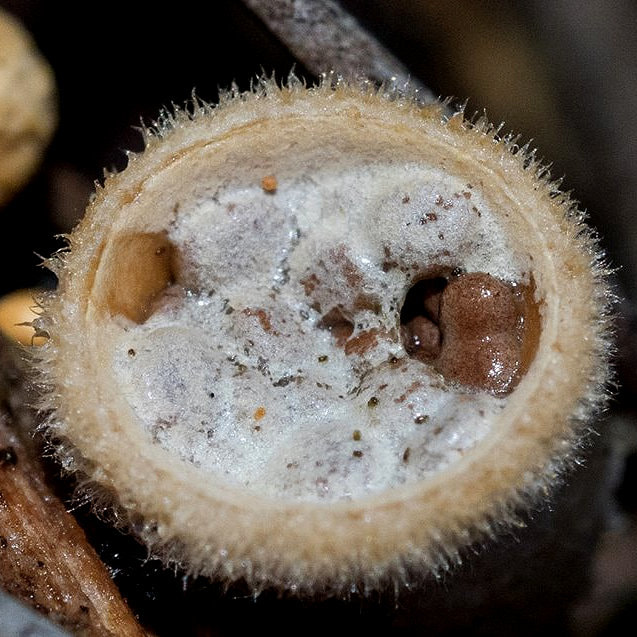
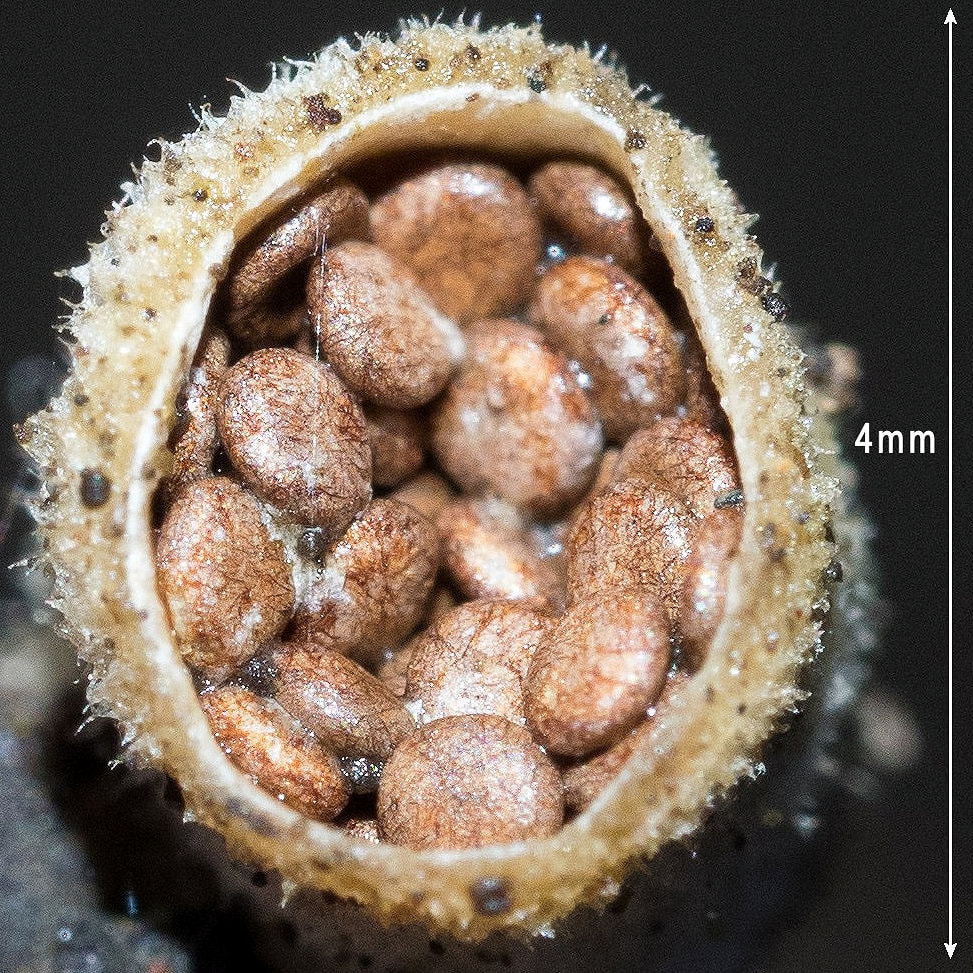
Being only a few millimetres in diameter, they are easily missed or mistaken for puffballs or slime mould spore balls. Lyn Alcock captured Cyathus olla (Field Birds Nest) cups opening on a tiny fallen twig in Foxes Lair.
The fruiting body starts like a mini puffball, before the membrane on top thins and breaks to reveal a cup containing ‘eggs’ called peridioles. Each peridiole contains spores and structure that produce them that are covered by a tough membrane. Raindrops falling directly into the cup splash the peridioles out of the cup on to grow.
Picture
Picture
Picture
0 Comments

Rooting Shank Mushroom  Xerula /Oudemansiella species

26/7/2017

0 Comments

 
 Greetings fellow Foxies, 
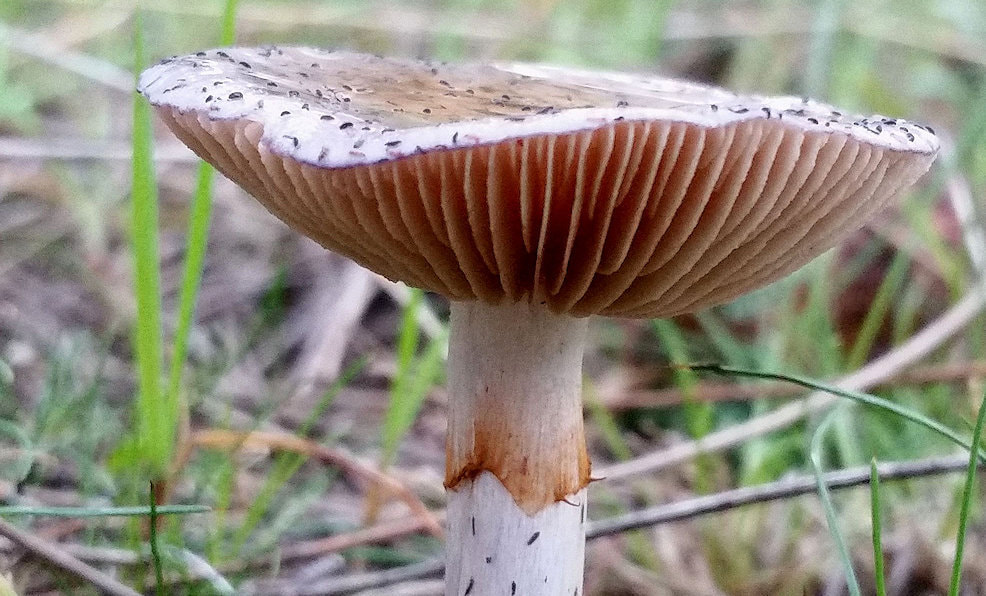
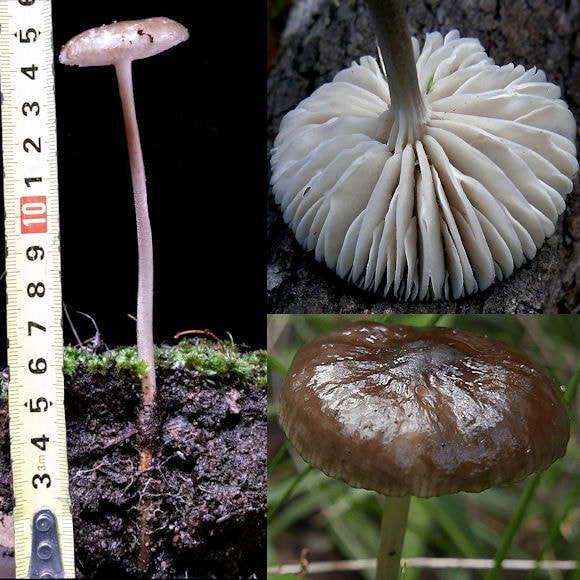
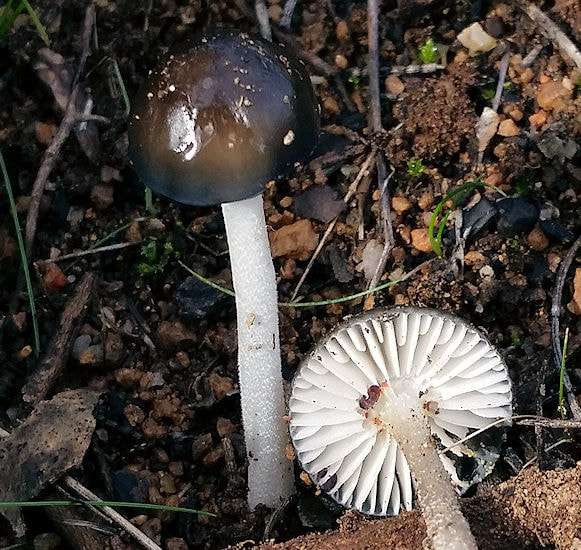
 Xerula genus fungi- once called Oudemansiella. look like normal soil dwelling toadstools, but are called Rooting Shanks because of a deep underground root-like extension of the long spindly stem that arises from underground wood that the fungus is decomposing. The cross section image shows a part of the "root", but unfortunately I only got a part of it while using a tyre lever to dig it out. It may even be an edible and medicinal!Fungi can be an interesting subject for kids that are shown what to look for.
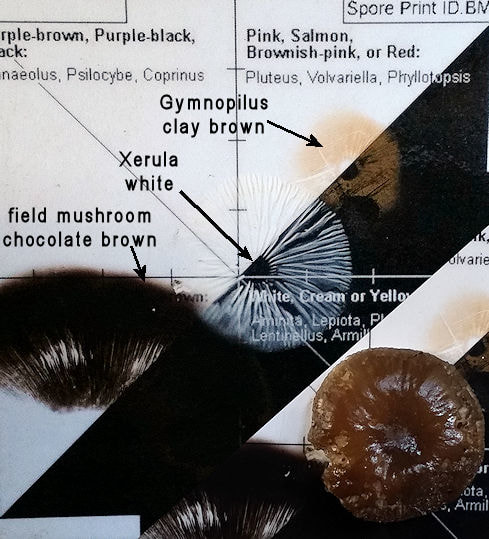
A good start is to take a specimen home for further examination of their parts and to check the spore print. I printed and laminated a spore print sheet and place the cap on it and leave overnight. The spore print is the pattern of spores left on the surface. Gill colour can be unrelated to spore colour. See three spore prints in the image below. The insert on the bottom right shows the cap before removal to reveal the spore print.

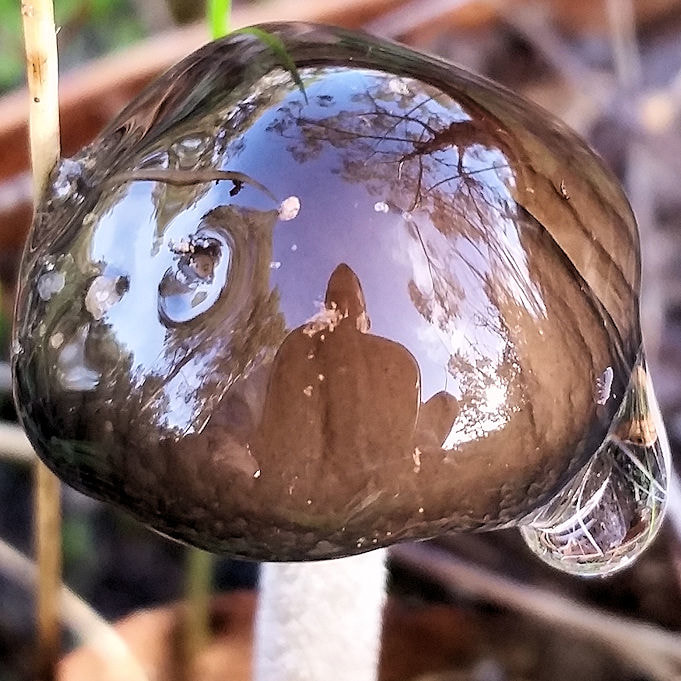
Rooting shanks have bright white gills that are attached to the long thin stem and a white spore print. The moist and slippery cap is emphasised after rain.
Can you see the handsome gent with a smartphone in the image below.
Picture
Picture
Picture
Picture
0 Comments

Lichens

24/5/2017

0 Comments

 
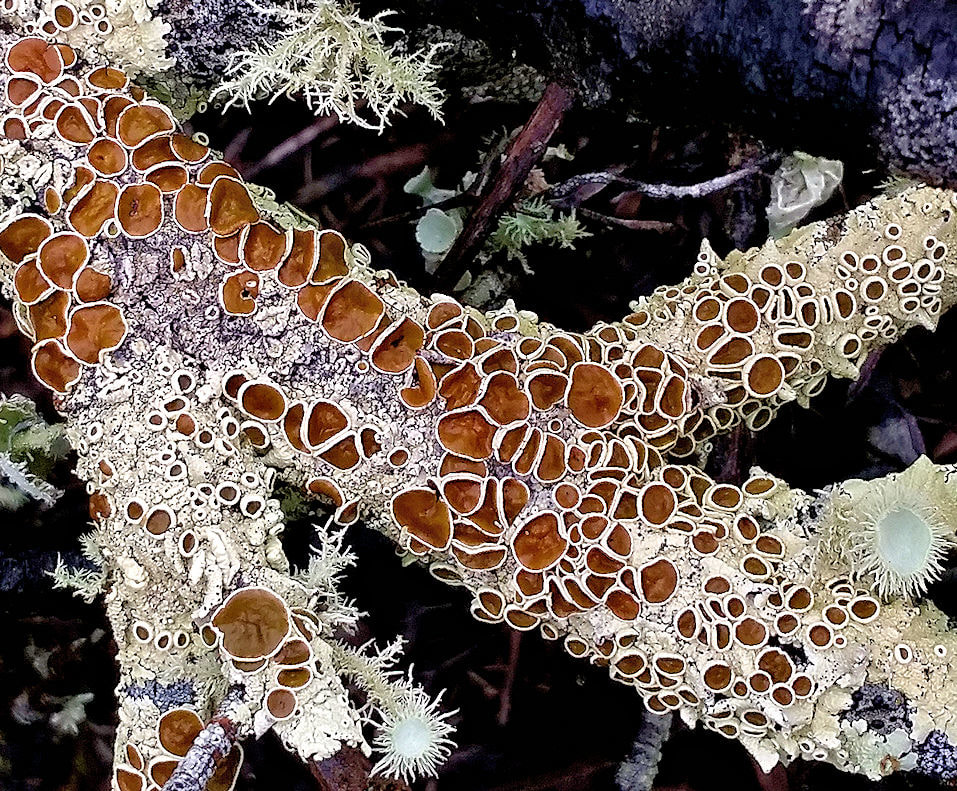
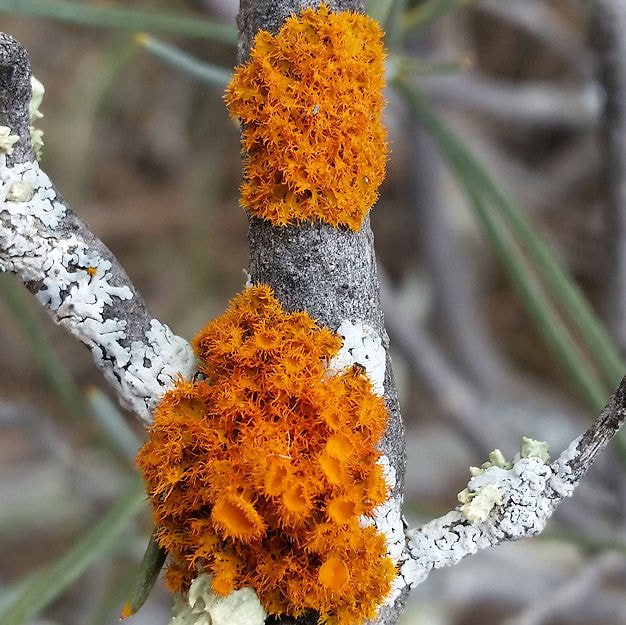
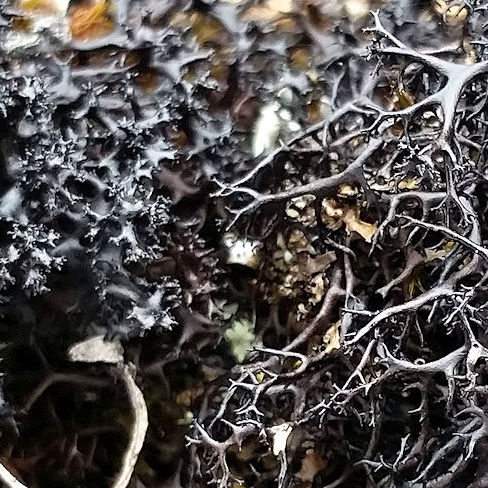
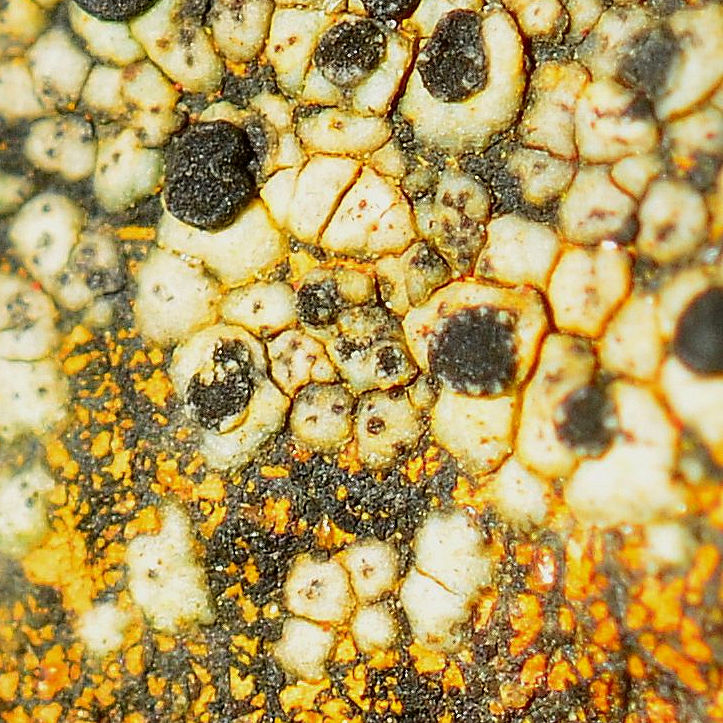
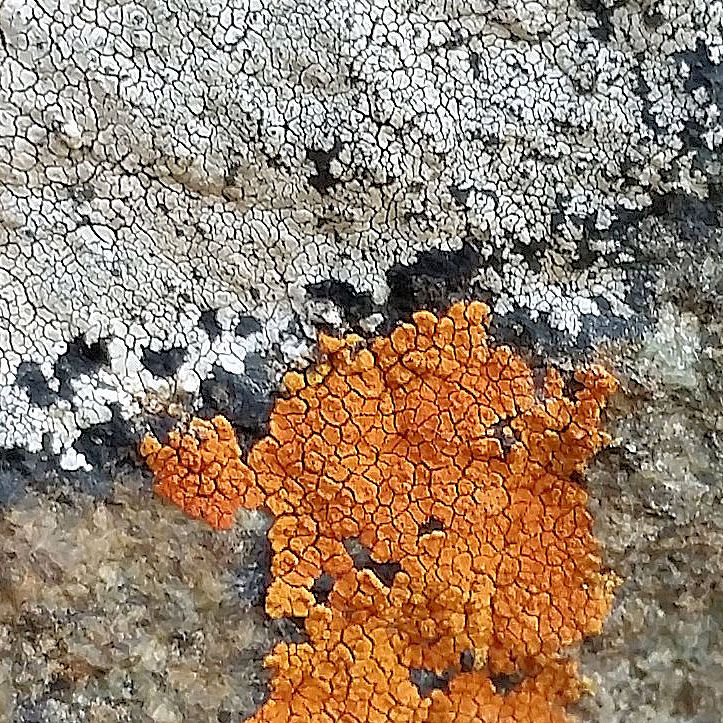
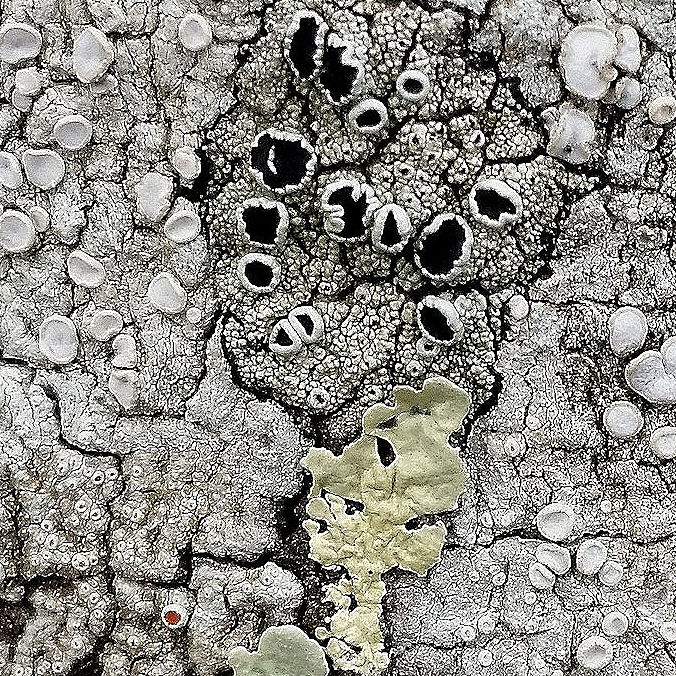
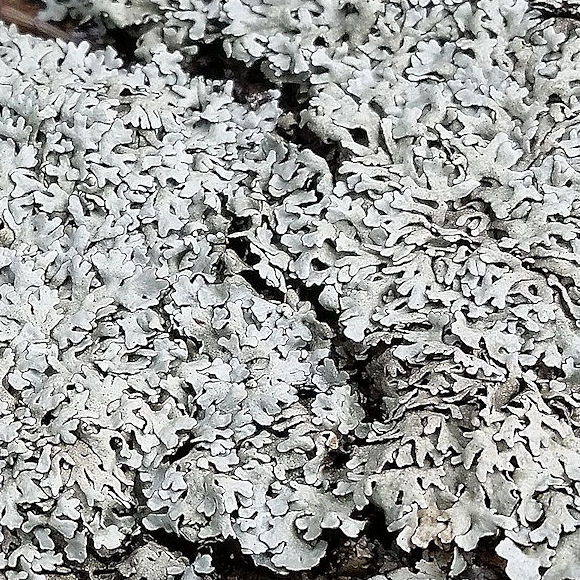
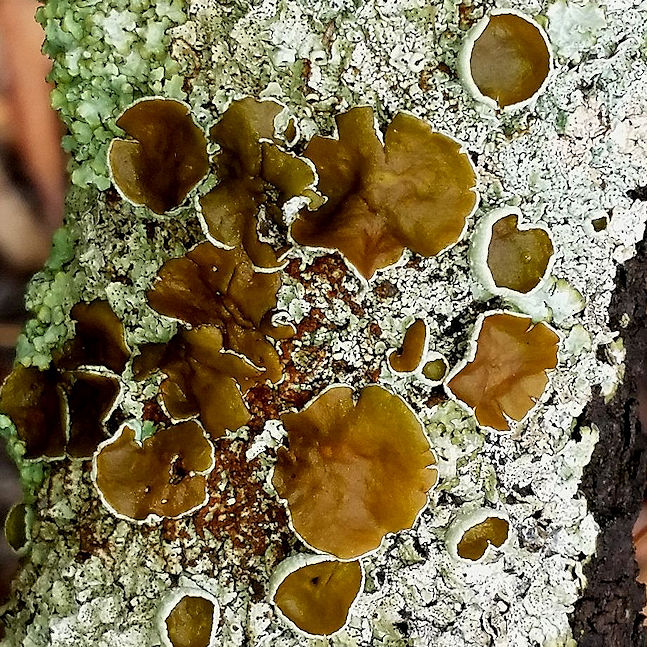
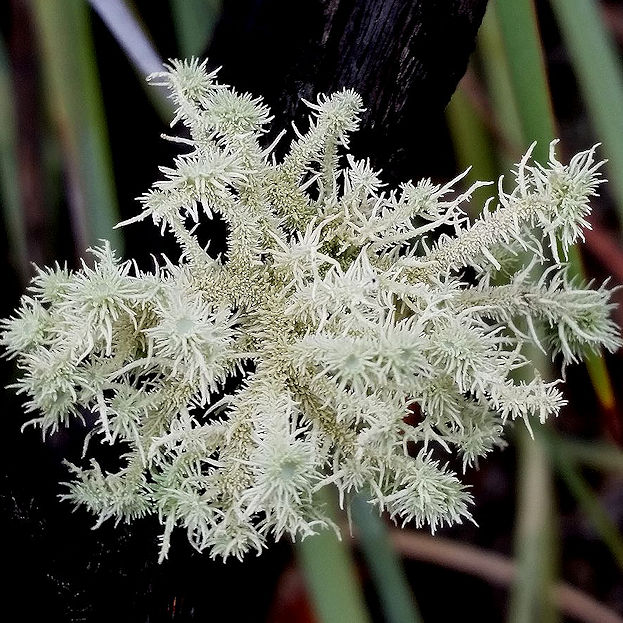
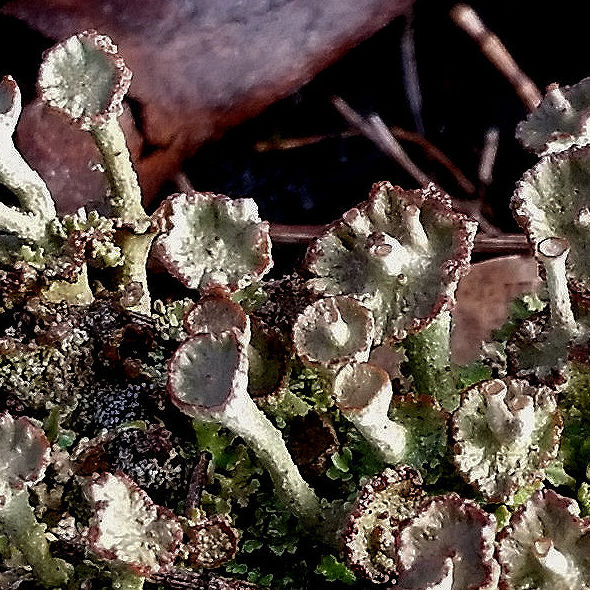
 I love seeing lichens after rain, when they transform from dry scabby coatings to almost iridescent grey, green, purple, yellow, etc shapes and patterns on rocks, bark, and wood, which fires my imagination.
according to Wikipedia ‘a lichen is a composite organism that arises from algae or cyanobacteria (or both) living among filaments of a fungus in a symbiotic relationship. The combined life form has properties that are very different from the properties of its component organisms.’
The algae/cyanobacteria produce sugars by photosynthesis that they share with the fungi in exchange for protection, moisture and minerals. They are very tough, occurring from desert to tundra and very old. They evolved at least 400 million years ago and live longer than most organisms.
Breaking news: all lichens also contains another fungus that coats the other 2 participants and holds them together. Everything you want to know about lichens can be found on this website.
Lichens do not affect living organisms, but rely on air, water, dust,  and minerals derived from acids that they exude into underlying rock and organic matter.
Picture
Mixed colony
Picture
Yellow lichen at Yornaning
Picture
Cladia aggregata Boyagin rock
Picture
Picture
Picture
Picture
Picture
Picture
Picture
Picture
Picture
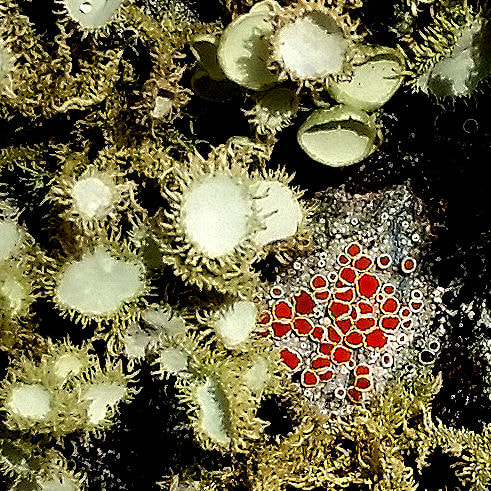
Usnea sp. (green), Haematomma sp. (red)
Picture
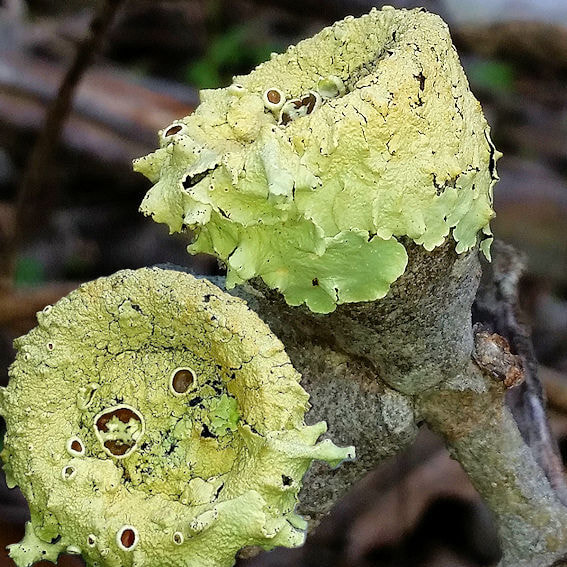
Flavoparmelia sp on mallee nut
Picture
0 Comments
<<Previous
Forward>>

    Author

    Doug Sawkins is a friend of Foxes Lair 

    Categories

    All
    Animals Other
    Birds
    Disorders Plant Animal
    Fungi Lichens
    History
    Insects Bugs Other Arthropods
    Landscapes Soils
    Other Reserves And Places
    Reptiles
    Spiders Other Arachnids
    Tree
    Walks Other Facilities
    Wasp
    Wildflowers Orchids
    Wildflowers Other Summer Autumn
    Wildflowers Other Winter Spring
    Wildflowers Parasitic

    Archives

    February 2026
    December 2025
    November 2025
    October 2025
    September 2025
    June 2025
    May 2025
    April 2025
    February 2025
    January 2025
    December 2024
    November 2024
    May 2024
    April 2024
    December 2023
    November 2023
    September 2023
    August 2023
    July 2023
    June 2023
    May 2023
    April 2023
    March 2023
    February 2023
    January 2023
    December 2022
    October 2022
    July 2022
    June 2022
    May 2022
    April 2022
    March 2022
    January 2022
    November 2021
    October 2021
    September 2021
    August 2021
    July 2021
    June 2021
    May 2021
    April 2021
    March 2021
    February 2021
    January 2021
    December 2020
    November 2020
    October 2020
    September 2020
    August 2020
    July 2020
    June 2020
    May 2020
    April 2020
    March 2020
    February 2020
    January 2020
    November 2019
    October 2019
    July 2019
    April 2019
    March 2019
    February 2019
    January 2019
    December 2018
    November 2018
    September 2018
    July 2018
    May 2018
    April 2018
    March 2018
    February 2018
    January 2018
    December 2017
    November 2017
    October 2017
    September 2017
    July 2017
    May 2017
    April 2017
    February 2017
    January 2017
    December 2016
    November 2016
    October 2016
    September 2016
    August 2016
    July 2016
    June 2016
    May 2016
    April 2016
    March 2016
    February 2016
    January 2016
    December 2015
    November 2015
    October 2015
    September 2015
    August 2015
    July 2015
    May 2015
    April 2015
    March 2015
    February 2015
    January 2015
    September 2014
    August 2014
    April 2014
    March 2014
    February 2014
    May 2012
    March 2012
    October 2011
    September 2011
    August 2011
    April 2011

© 2015 All Rights Reserved. Doug Sawkins, Australia.