Foxes Lair
  • Home
  • About
    • About Foxes Lair
    • History
    • Landscape and Soils
  • Things To Do
    • Picnic Spots
    • Walk Trails
    • Visit the Arboretum
    • Ride Your Bicycle
    • Scavenger hunt
    • Geocaching and Orienteering
  • Things To See
    • Wildflowers
    • Trees in the Narrogin district
    • Birds
    • Vertebrates
    • Narrogin spiders scorpions ticks
    • Fungi and lichens
  • Foxes Lair seasonal guide
    • December to March
    • April - May
    • June-July
    • August
    • September
    • October
    • November
  • Other great reserves
    • Railway Dam
    • Yilliminning Rock
    • Old Mill Dam
    • Yornaning Dam
    • Contine Hill
    • Highbury Reserve
    • Boyagin Rock
    • Barna Mia
    • Toolibin Lake
    • Newman Block
    • Harrismith Nature Reserve
    • Candy Block
    • Tutanning Nature Reserve
  • 1Foxypress
    • Foxypress
    • Vanishing Farms
  • Contact

Elbow and African Orchids

17/11/2016

0 Comments

 
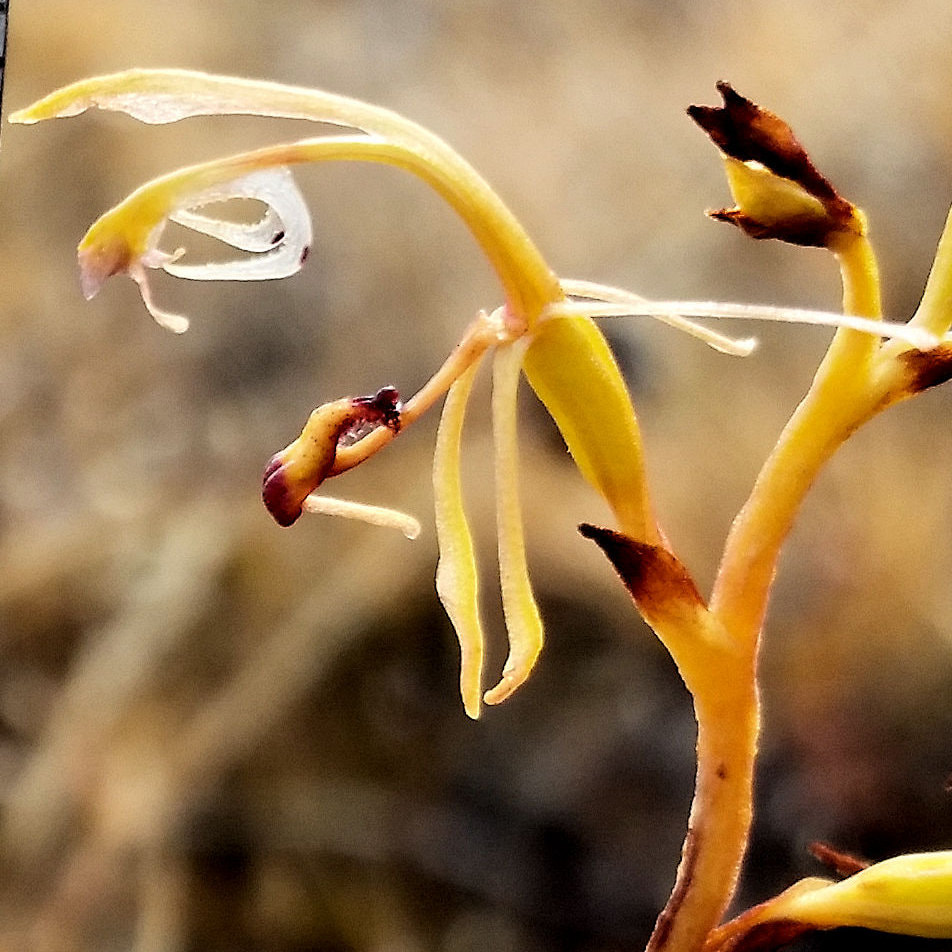
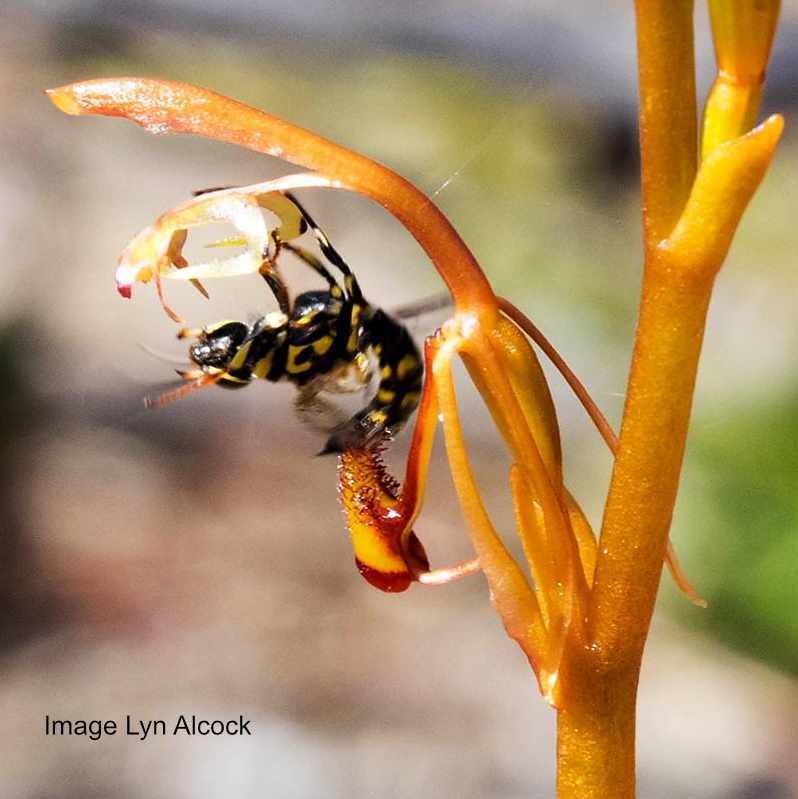
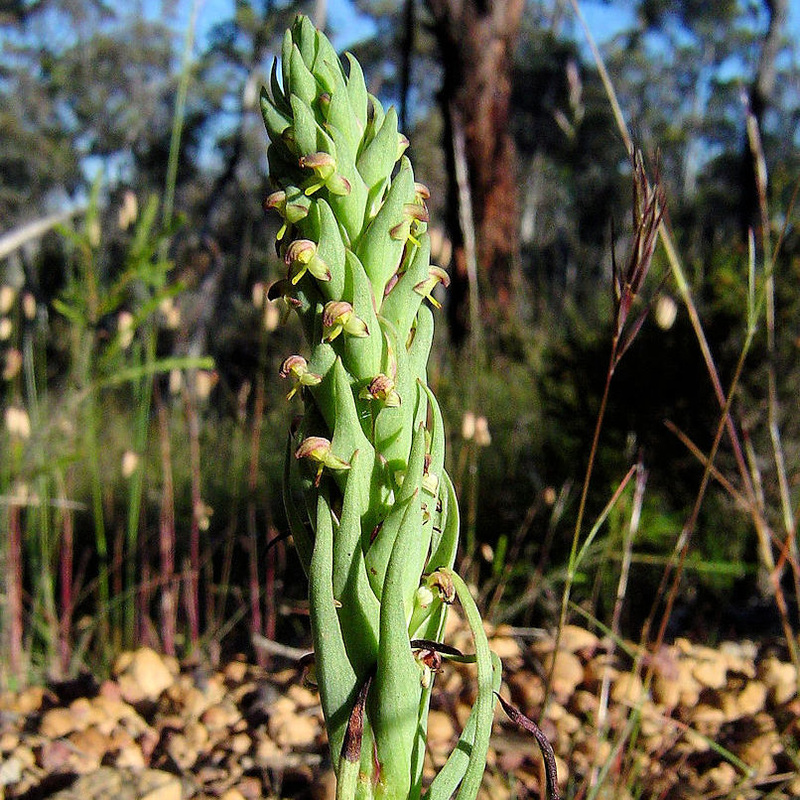
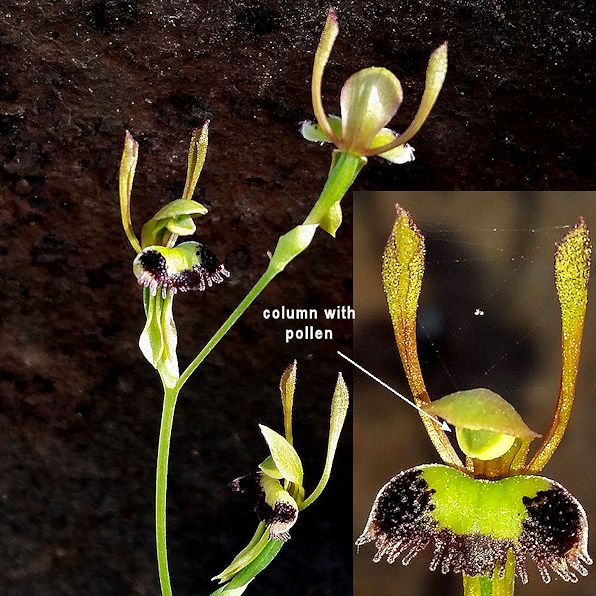
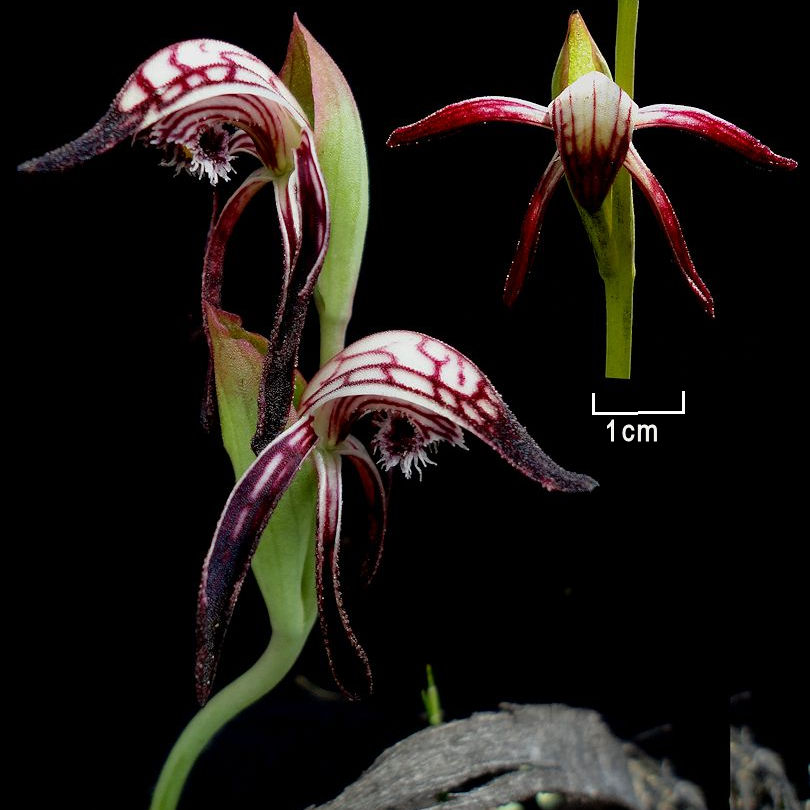
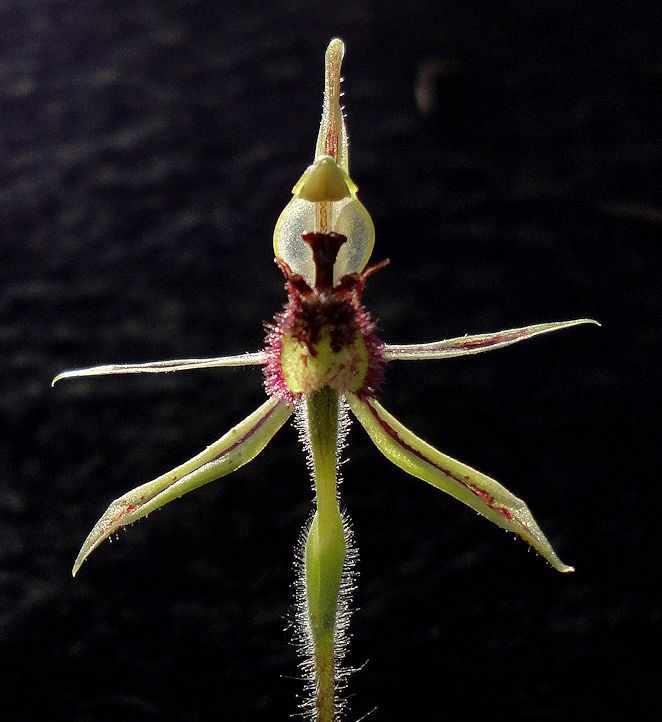
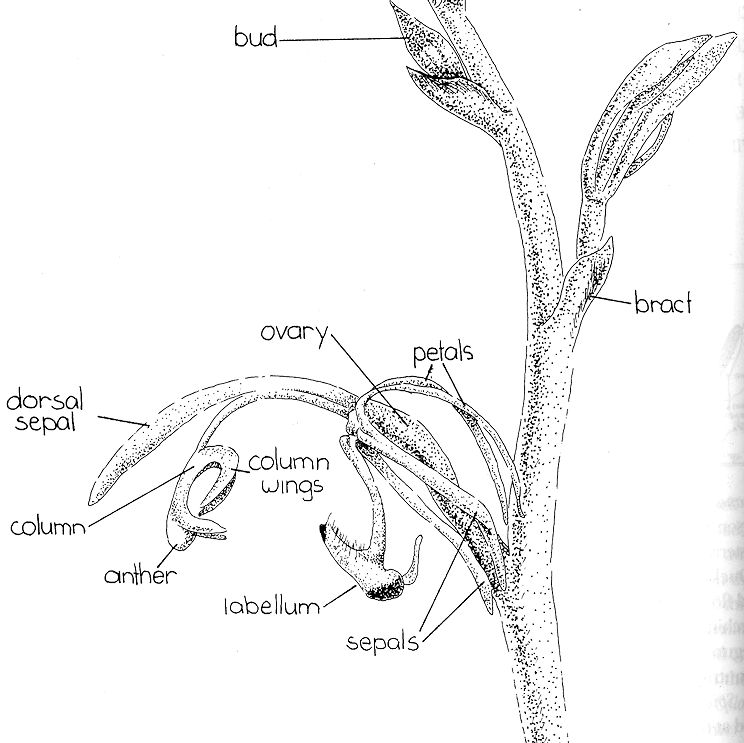
The Elbow Orchid Spiculaea ciliata is a remarkable plant, which flowers from November to January by storing water in its fleshy stem. I recently learnt about it while perusing Narrogin Herbarium specimens, and was assured that I could find them amongst pincushion plants on Yilliminning Rock. The rock was beautiful after recent rain until the delightful discovery of a champagne cork and a condom prompted me to move away from 4WD areas to a surprising display of late season flowers in more protected places.
After a long time crawling over very prickly plants, I found a single insignificant orchid. You have to be a masochist or an orchid enthusiast to do this. Probably both.
Having said that the orchid is highly evolved and intricate. The insect-like labellum that emits a pheromone to attract male Thynnid wasps. The males normally pick up flightless females and deposit them on a flower before mating. As the labellum is attached by a weak hinge, when the male tries to lift his “mate”, it swings up and is held by the mantis-like wings (note serrations) to pollinate and collect more pollen as it struggles to free itself.
Picture
Picture
Picture
Picture

I found South African orchids in a line of bush running the eastern side of the rock. Disa bracteata (syn. Monadenia bracteata is a relatively unattractive fleshy plant, but a great survivor that can compete in pastures. It is listed as a weed.
It is thought to have introduced in sacking that covered goods unloaded at Albany.

They appear in Late October
0 Comments

Sun Orchids

13/10/2016

0 Comments

 
Greetings fellow Foxies,
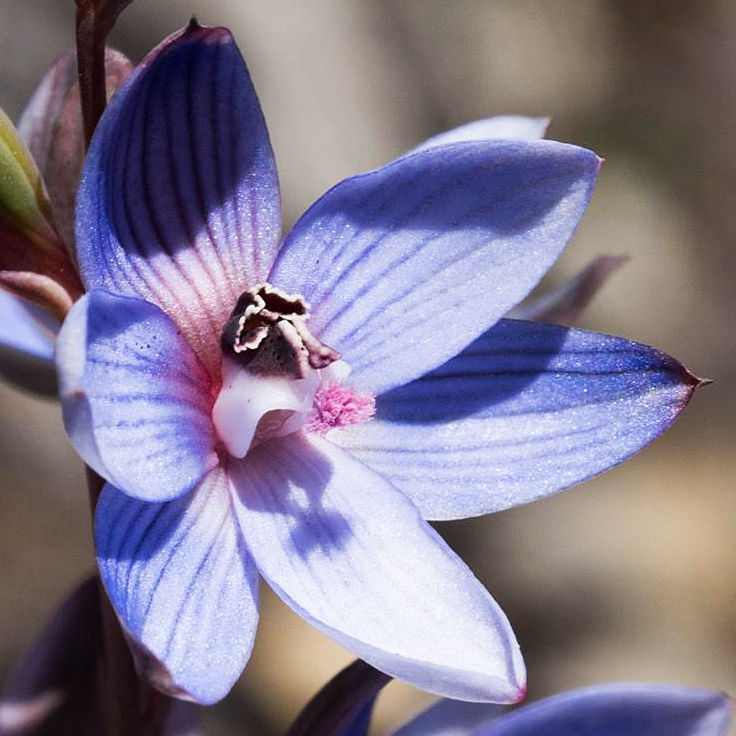
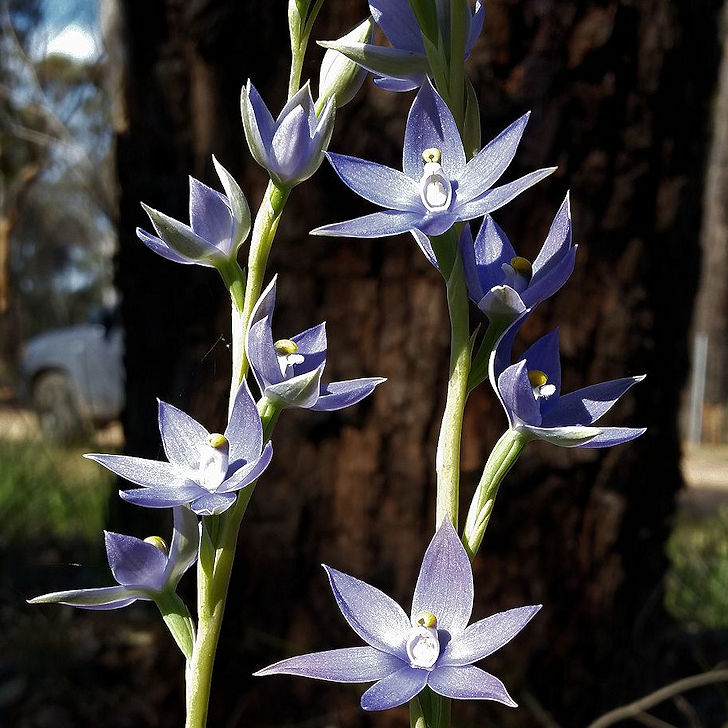
                                     Sun orchids have their name because most of them only open when the sun is shining. Many of them flower in late spring when insects are more active, and their sun trick reduces moisture loss when there are less insects
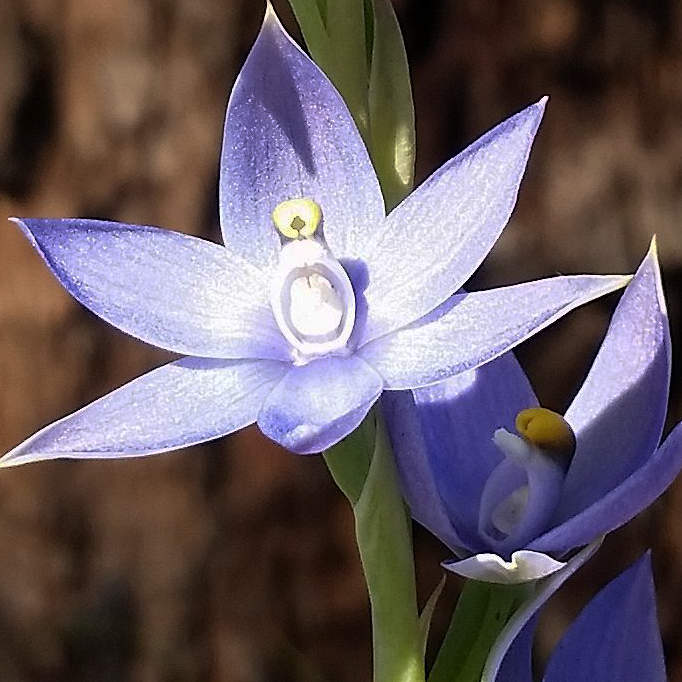
Sun orchids differ from other orchids in having conventionally shaped petals and sepals but the column that contains the anthers and stigma is highly modified and adorned with wings and glands that probably attract pollinating insects. Thelymitra is derived from Greek words for ‘woman’s hood’. For more information see this blog.
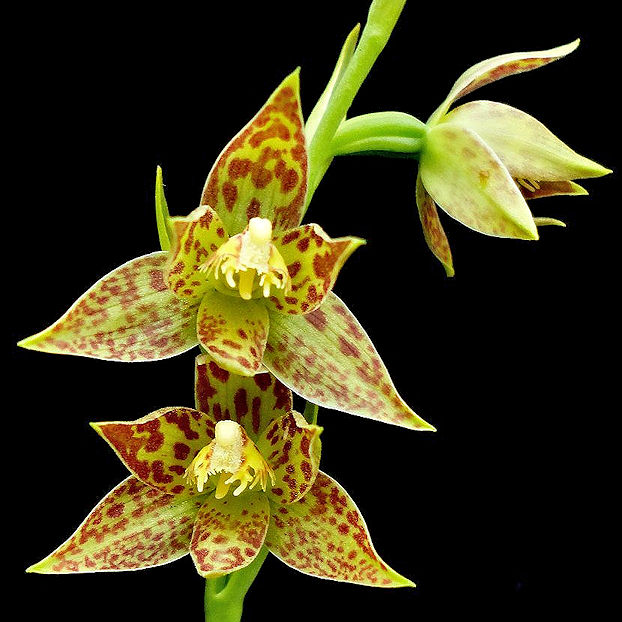
The scented sun orchid and leopard orchid (in good seasons) flower in Foxes lair in October.
Check out the fabulous SUN ORCHID display (scented and shy sun orchids) next to Foxes Lair. mid-September to early-November depending on the season.
here are some good spots to see other sun orchids in the district
Leopard orchid Thelymitra benthamiana. Try Foxes Lair. For those prepared to drive on gravel tracks Borgey Block.
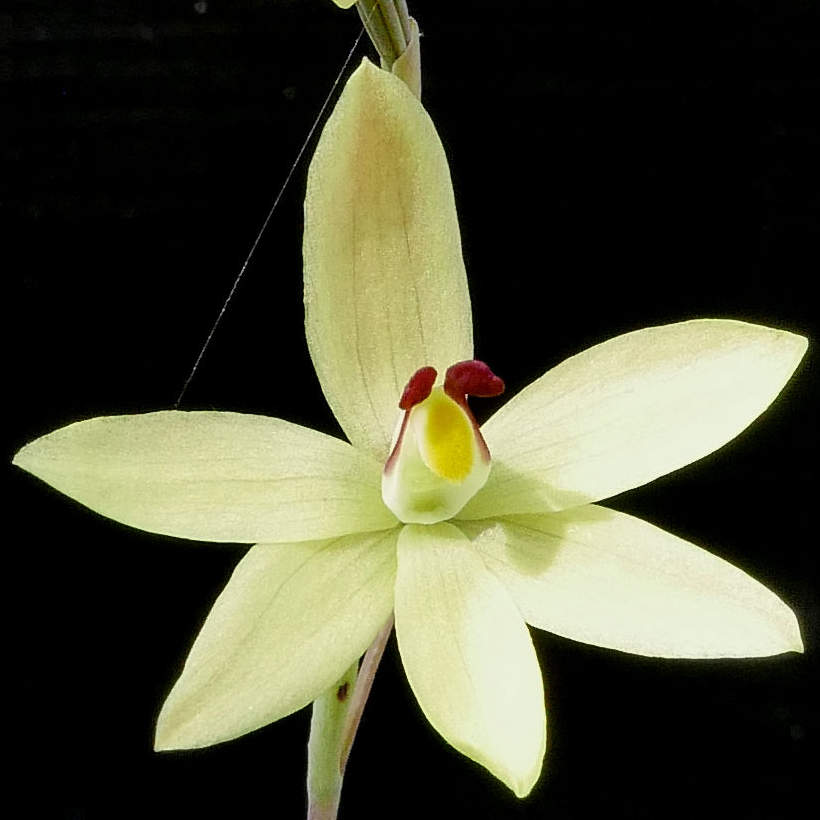
Custard orchid Thelymitra villosa. Yornaning dam reserve.
Wandoo sun orchid. Thelymitra latiloba. Dryandra woodland
Lemon scented sun orchid Thelymitra antennifera. Yilliminning Rock


Random fact: the word orchid is derived from Greek orchis, as orchids have twin root tubers that resemble a pair of testicles. (Yes, orchids are for men too!)
The tubers enable orchids to survive from year to year, so they do not have to flower every year.
Orchids depend on mycorrhizal fungi to supply them with extra minerals and moisture, and will not survive if replanted.
Picture
Wandoo sun orchid at Dryandra
Picture
Scented sun orchid
Picture
Tufted and hooded column
The Lemon Scented Sun Orchid (Thelymitra antennifera) occurs on winter wet soils associated with granite. The lovely Leopard Orchid Thelymitra benthamiana will flower on the clay flats near the Claypit in a few weeks.
Picture
Lemon scented sun orchid
Picture
Custard orchid Yornaning Dam
Picture
Leopard orchid
0 Comments

Hare Bunny Rabbit Orchids and Red Beaks

15/5/2015

0 Comments

 
Greetings fellow Foxies,
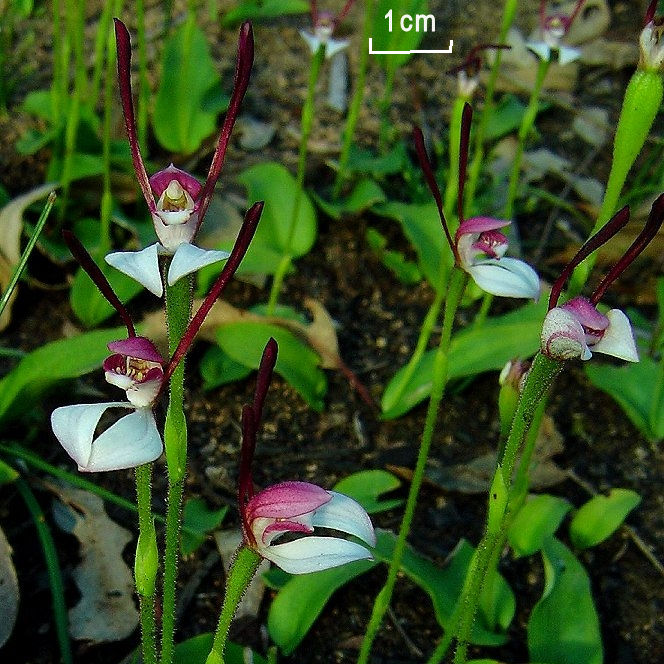
The only thing the first three orchids have in common is that they are named after introduced pests and rabbit-eared petals.
I was excited to find my first Hare Orchid (Leporella fimbriata) at Highbury reserve.
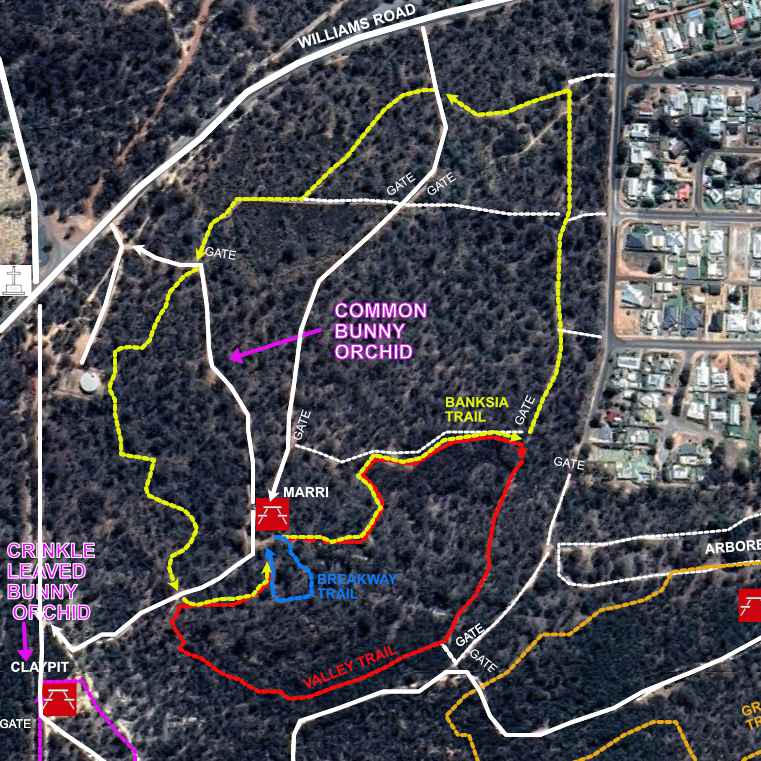
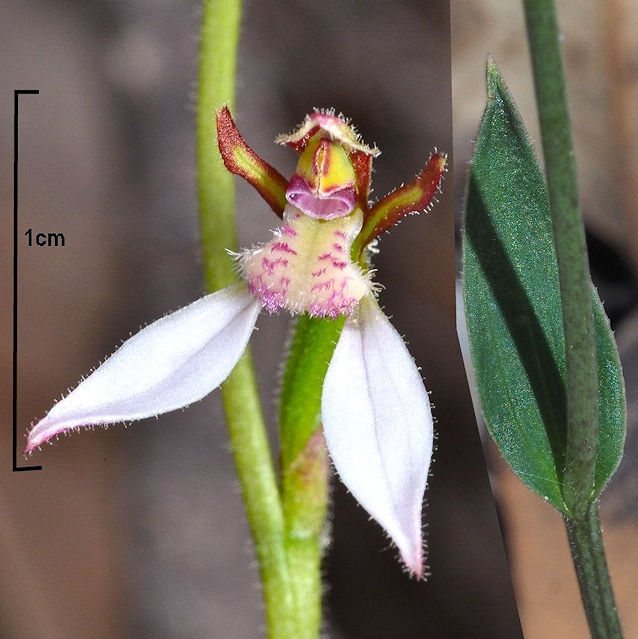
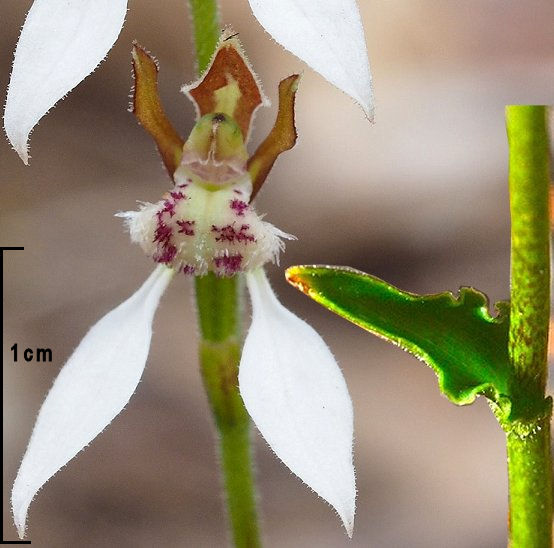
With bunny orchids they are the first orchids of the season around here and both are tiny. The Hare Orchid is pollinated by a male flying ant that attempts to mate with the column of the flower. In Foxes Lair there is a small colony on pale sand near the Claypit Trail.The Common Bunny Orchid (Eriochilis dilatatus subsp multiflorus) has been seen annually on mainly gravel soils, but the crinkle-leafed variant (subsp undulates) is also common on moister soils such as the Claypit. This has a crinkled rather than smooth leaf. Hare and bunny orchids flower more after fire.

Picture
Picture
Hare Orchid
Picture
Common Bunny Orchid
Picture
Crinkle-leaved subspecies
In contrast, in 30 odd years here I have only seen the Rabbit Orchid (Leptoceras menziesii) flower once in September after the 2009 fire in two patches on the Granite Walk.

The Red Beak Orchid (Burnettia nigricans) also only flowered that year near the caravan park entrance. Otherwise both species occur as small and large heart leaves respectively on the ground. The prominently fringed Red Beak labellum acts as a pathway for small native bees that go down to the base for nectar and pollinate the flower. Rabbit Orchids also use a nectar reward for native bees.
Picture
Rabbit Orchid
Picture
Red Beaks
0 Comments

Sexual Frustration and the Dragon Orchid

29/9/2011

0 Comments

 
Picture
Dragon orchid labellum
Greetings fellow Foxies,
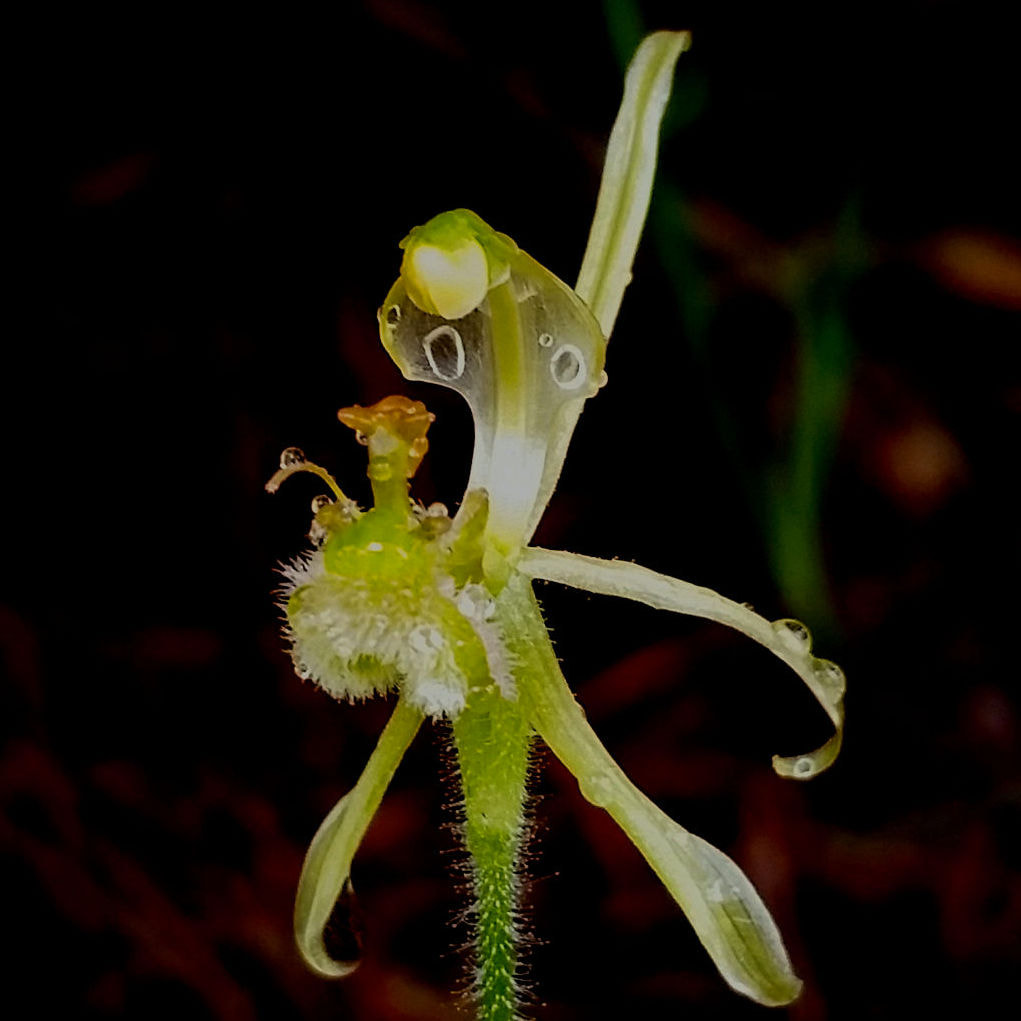
I have just found a Dragon Orchid (Caladenia barbarossa) in Foxes Lair and must share its dreadful secret with you.
 In the image can you see that the labellum (middle bit) looks like an insect on steroids? To flower wasp males (T
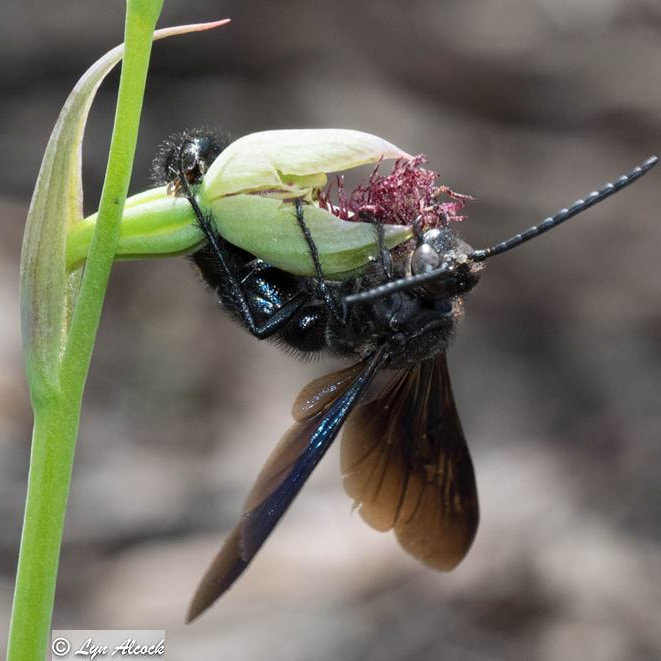
hynnidae, Scolioidae) this looks like a flightless female; a veritable Miss Universe of its species, which drives it to mate. the orchid may also emit female wasp pheromones to attract the male to the flower.
When the poor fellow tries to fly off with her to mate, he tips forward into the flower’s sexual bits and pollinates it.
.

Dragon orchids are fairly common in sheoak woodland in early October. A good spot is the small sheoak patch at the Claypit.
Picture
Pale variant of dragon orchid
Picture
Dragon orchid
Picture
Flower wasp trying to mate with a beard orchid at Dryandra. Image Lyn Alcock
The female get the rough end of the deal in this video of a feeding pair of mating flower wasps
Many orchids use sexual deception to attract pollinators to their flowers. Here are some other spider orchids with a  female mimic labellum.
0 Comments

Foxes Lair Cowslip Orchid/ Pink Fairy Orchid Hybrids

17/8/2011

0 Comments

 
PictureMelaleuca hamata
These hybrids flower in two spots in Foxes Lair and occasionally on other reserves. 
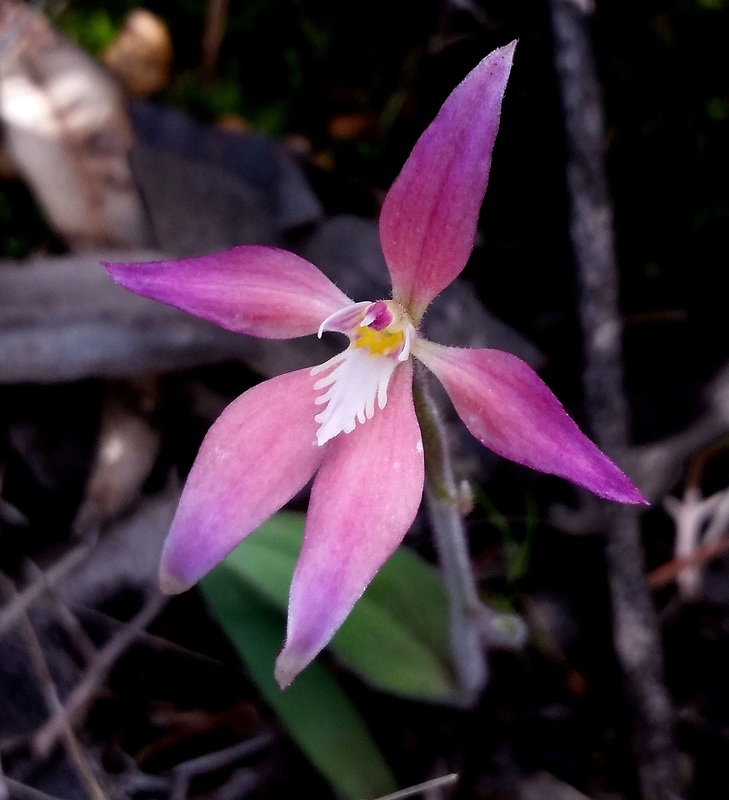
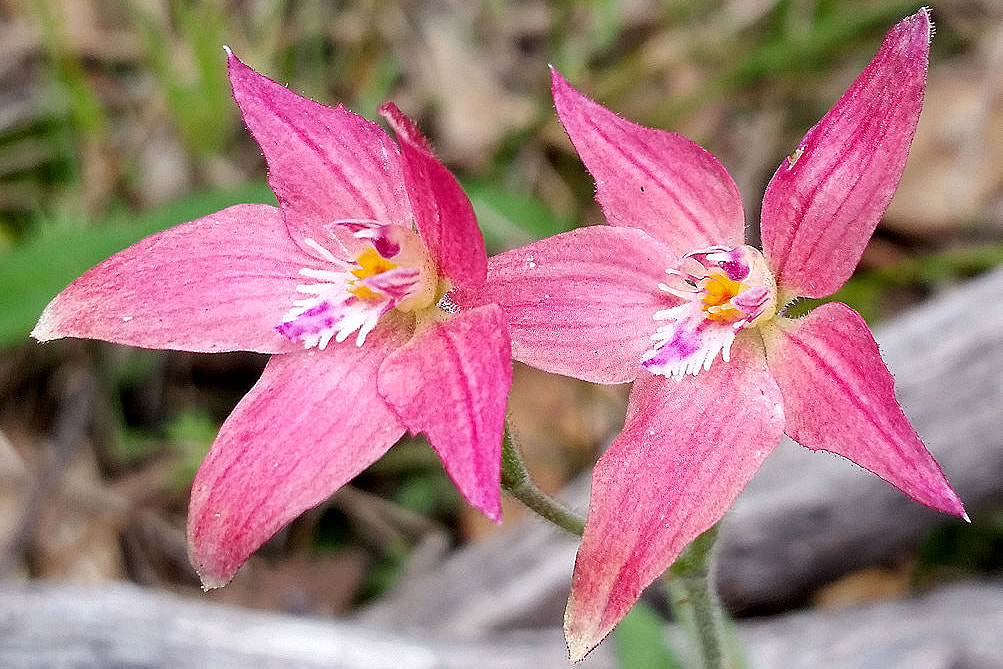
They vary in colour and shape  as one or other parent species passes on dominant genes.
This flowers each year in August/September near in a spot near the road leading from the main entrance to the Marri picnic area. To find it stop at the mallee patch on the left of the track. Walk downslope and down a breakaway to a clump of broombush (Melaleuca hamata – flowers in November and only occurs here). There is a clump of orchids in a low bush on the downslope side – compare it with the little pink fairy orchids nearby.

Picture
patch near entry road
Another that is more like the cowslip orchid parent, occurs near the dancing spider orchid spot and I have seen others at Highbury B and Newman blocks.
Picture
Hybrids at Highbury B block
Picture
Hybrid near dancing spider orchids
0 Comments
Forward>>

    Author

    Doug Sawkins is a friend of Foxes Lair 

    Categories

    All
    Animals Other
    Birds
    Disorders Plant Animal
    Fungi Lichens
    History
    Insects Bugs Other Arthropods
    Landscapes Soils
    Other Reserves And Places
    Reptiles
    Spiders Other Arachnids
    Tree
    Walks Other Facilities
    Wasp
    Wildflowers Orchids
    Wildflowers Other Summer Autumn
    Wildflowers Other Winter Spring
    Wildflowers Parasitic

    Archives

    February 2026
    December 2025
    November 2025
    October 2025
    September 2025
    June 2025
    May 2025
    April 2025
    February 2025
    January 2025
    December 2024
    November 2024
    May 2024
    April 2024
    December 2023
    November 2023
    September 2023
    August 2023
    July 2023
    June 2023
    May 2023
    April 2023
    March 2023
    February 2023
    January 2023
    December 2022
    October 2022
    July 2022
    June 2022
    May 2022
    April 2022
    March 2022
    January 2022
    November 2021
    October 2021
    September 2021
    August 2021
    July 2021
    June 2021
    May 2021
    April 2021
    March 2021
    February 2021
    January 2021
    December 2020
    November 2020
    October 2020
    September 2020
    August 2020
    July 2020
    June 2020
    May 2020
    April 2020
    March 2020
    February 2020
    January 2020
    November 2019
    October 2019
    July 2019
    April 2019
    March 2019
    February 2019
    January 2019
    December 2018
    November 2018
    September 2018
    July 2018
    May 2018
    April 2018
    March 2018
    February 2018
    January 2018
    December 2017
    November 2017
    October 2017
    September 2017
    July 2017
    May 2017
    April 2017
    February 2017
    January 2017
    December 2016
    November 2016
    October 2016
    September 2016
    August 2016
    July 2016
    June 2016
    May 2016
    April 2016
    March 2016
    February 2016
    January 2016
    December 2015
    November 2015
    October 2015
    September 2015
    August 2015
    July 2015
    May 2015
    April 2015
    March 2015
    February 2015
    January 2015
    September 2014
    August 2014
    April 2014
    March 2014
    February 2014
    May 2012
    March 2012
    October 2011
    September 2011
    August 2011
    April 2011

© 2015 All Rights Reserved. Doug Sawkins, Australia.